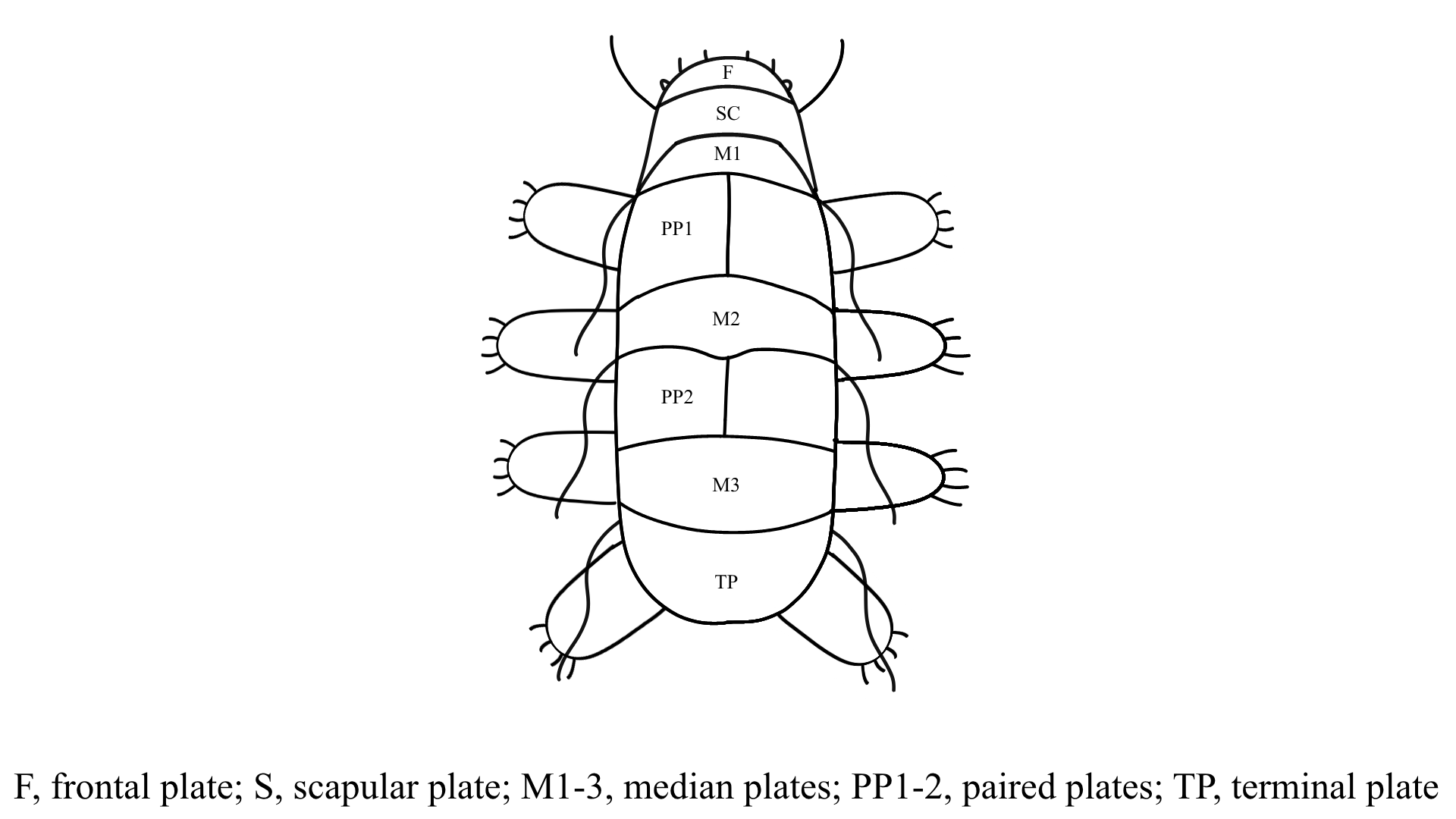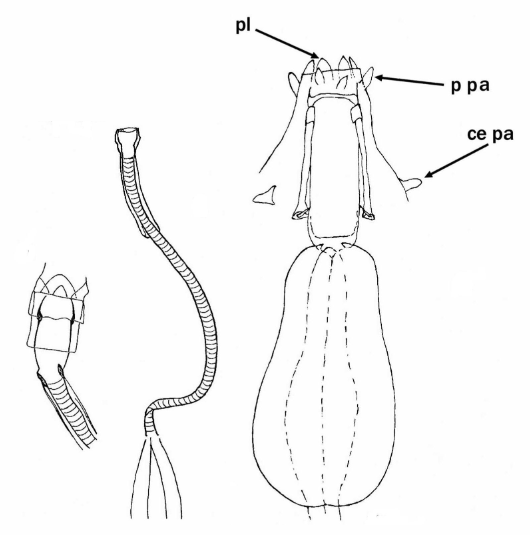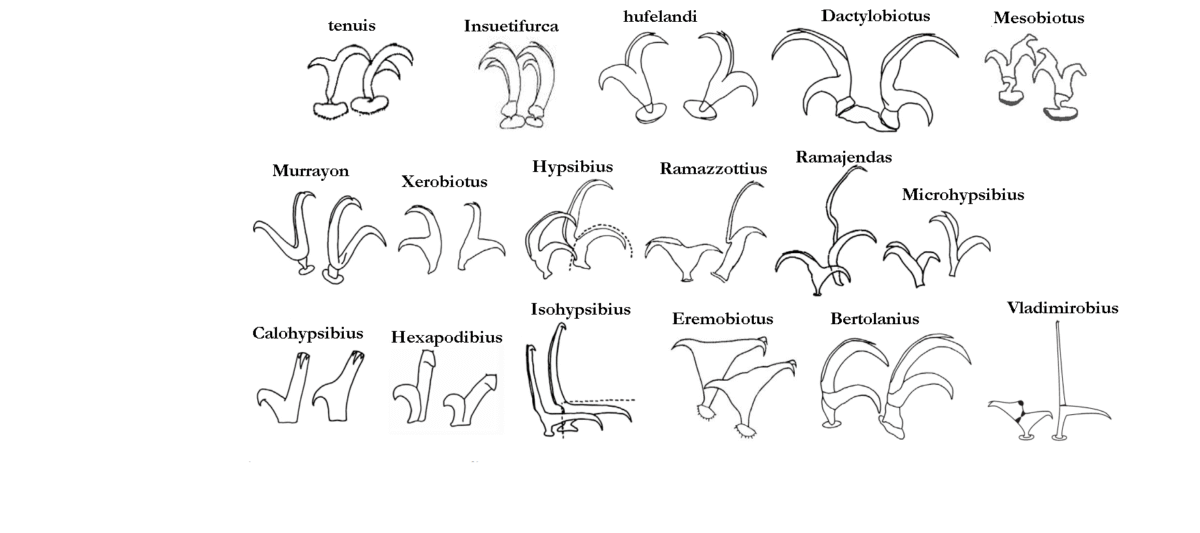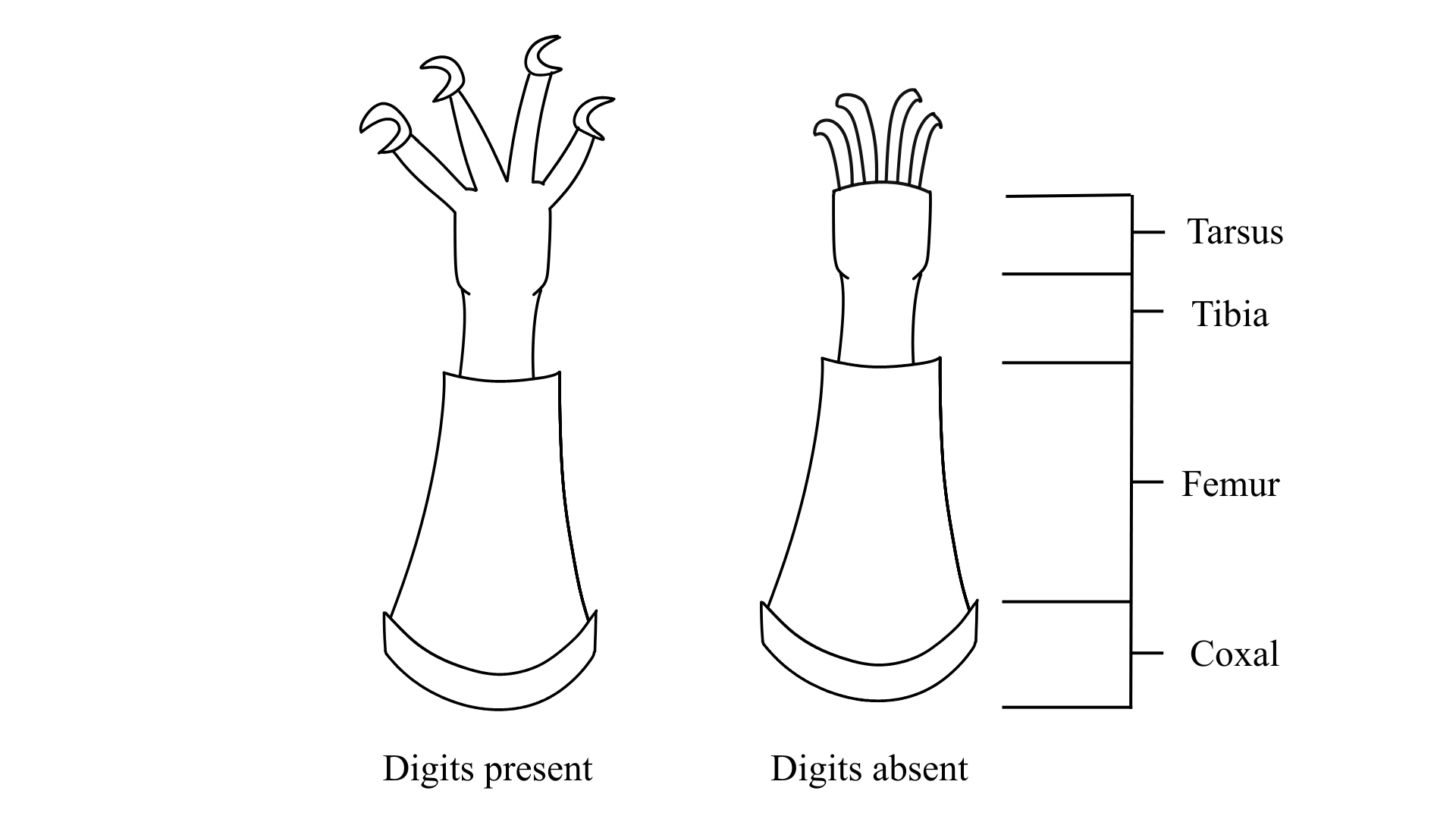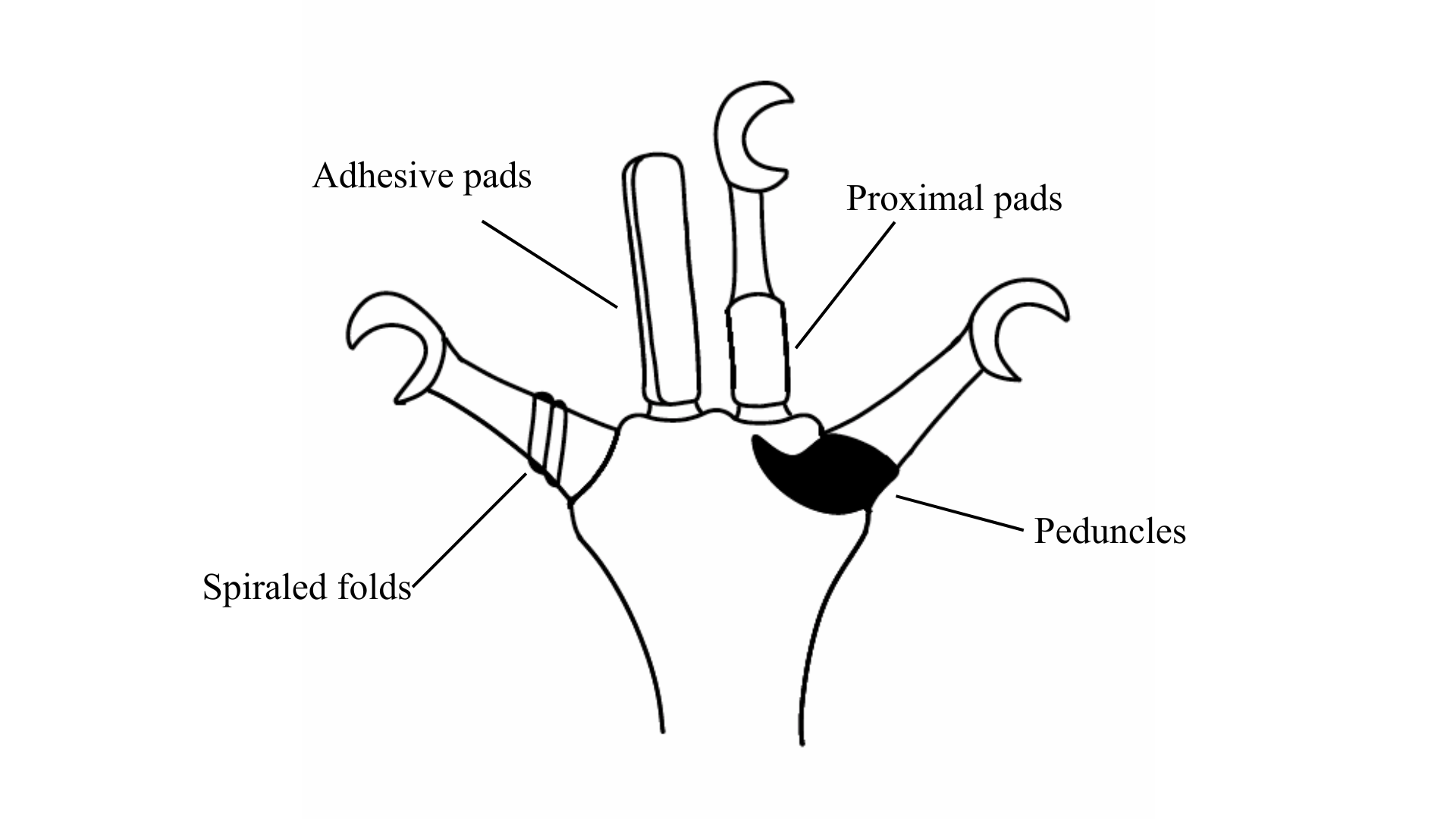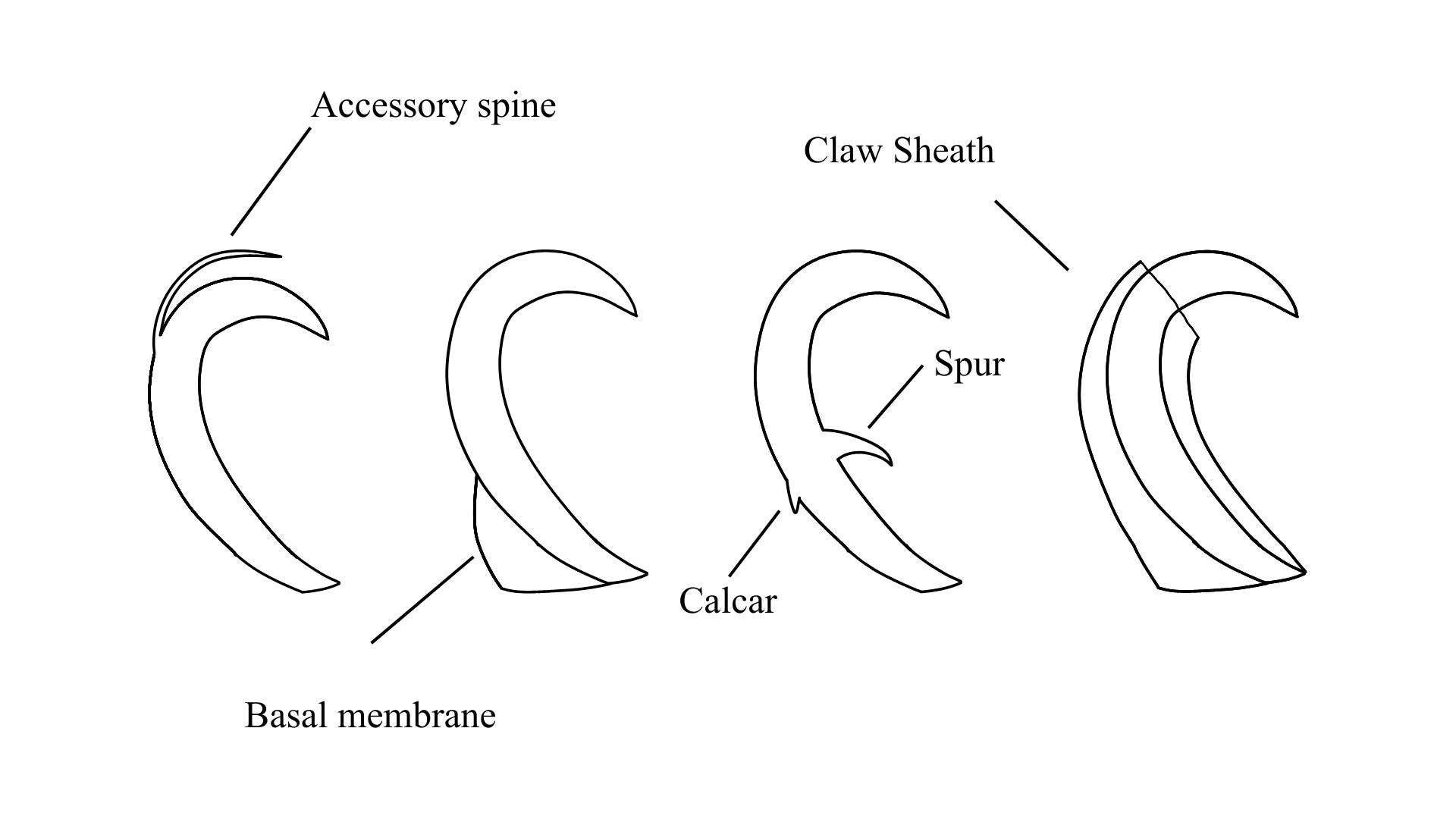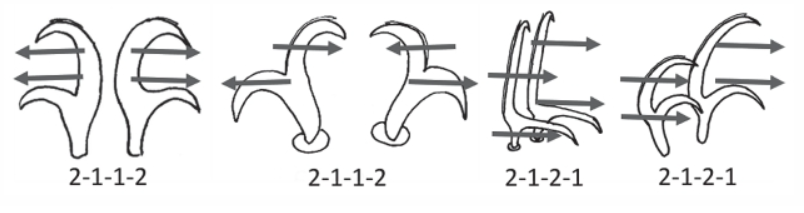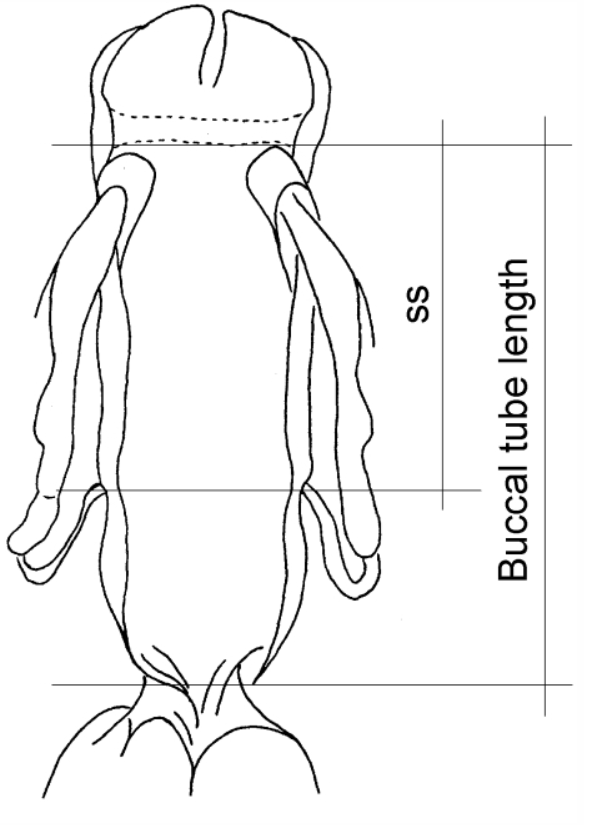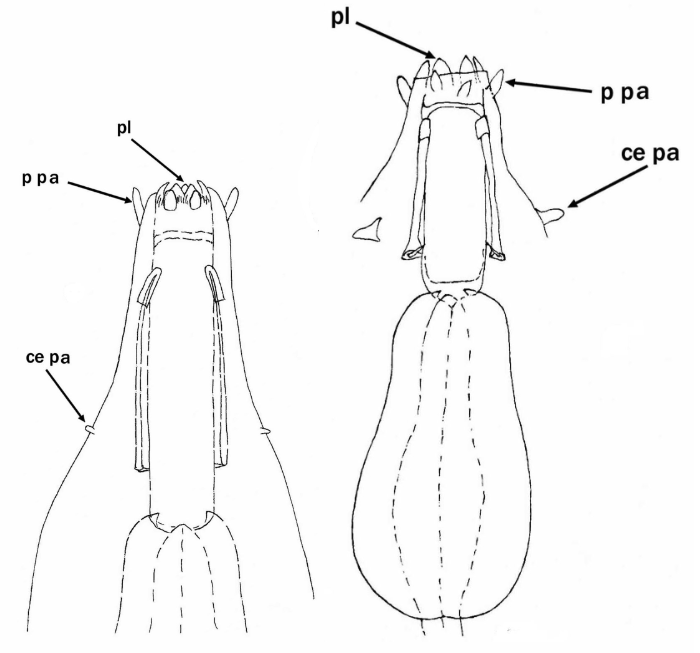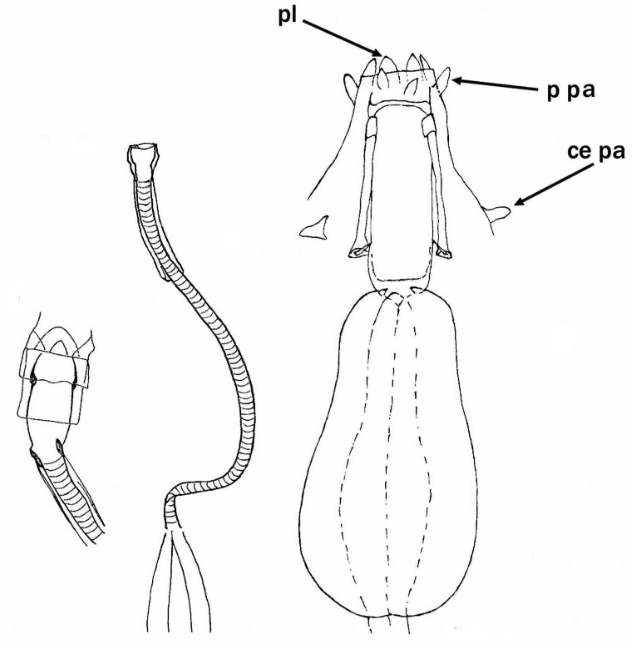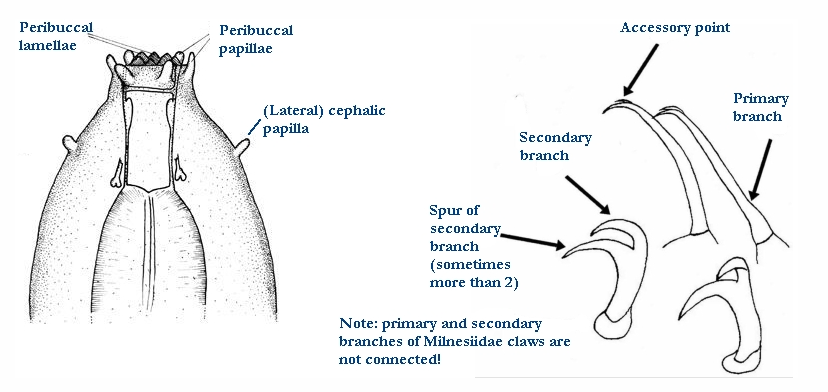

Genus description from Kaczmarek et al. 2020: “Legs short and robust. Internal and external claws on legs I–III different in size and shape. Internal claws I–III similar to Isohypsibius type, but with long basal part (as in the genus thulinius Bertolani, 2003), and lacking accessory points (or not visible under light microscopy). External claws I–III same as on legs IV. Internal and external claws of legs IV similar in length and shape, however in comparison with typical Isohypsibius-like claws they have extremely long primary branches (more than twice the length of the secondary branches) and without accessory points (or not visible in light microscopy). Cuticle smooth. Bucco-pharyngeal apparatus of the Isohypsibius type, Isohypsibius variant. Peribuccal lamellae and oral cavity armature absent. Lobes around mouth opening need to be confirmed, as well as the shape of the stylet furcae and apophyses for the insertion of the stylet muscles (AISM). Macroplacoids and microplacoid present. Lunules and pseudolunulae absent. Cuticular bars on legs I–III present near the base of the claw. Eggs unknown.”


Citations:
Kaczmarek, Ł., Bartylak, T. & Roszkowska, M. (2020) Two new genera of long clawed Isohypsibioidea Guil, Jørgensen & Kristensen, 2019. Zootaxa 4729, 293–299.