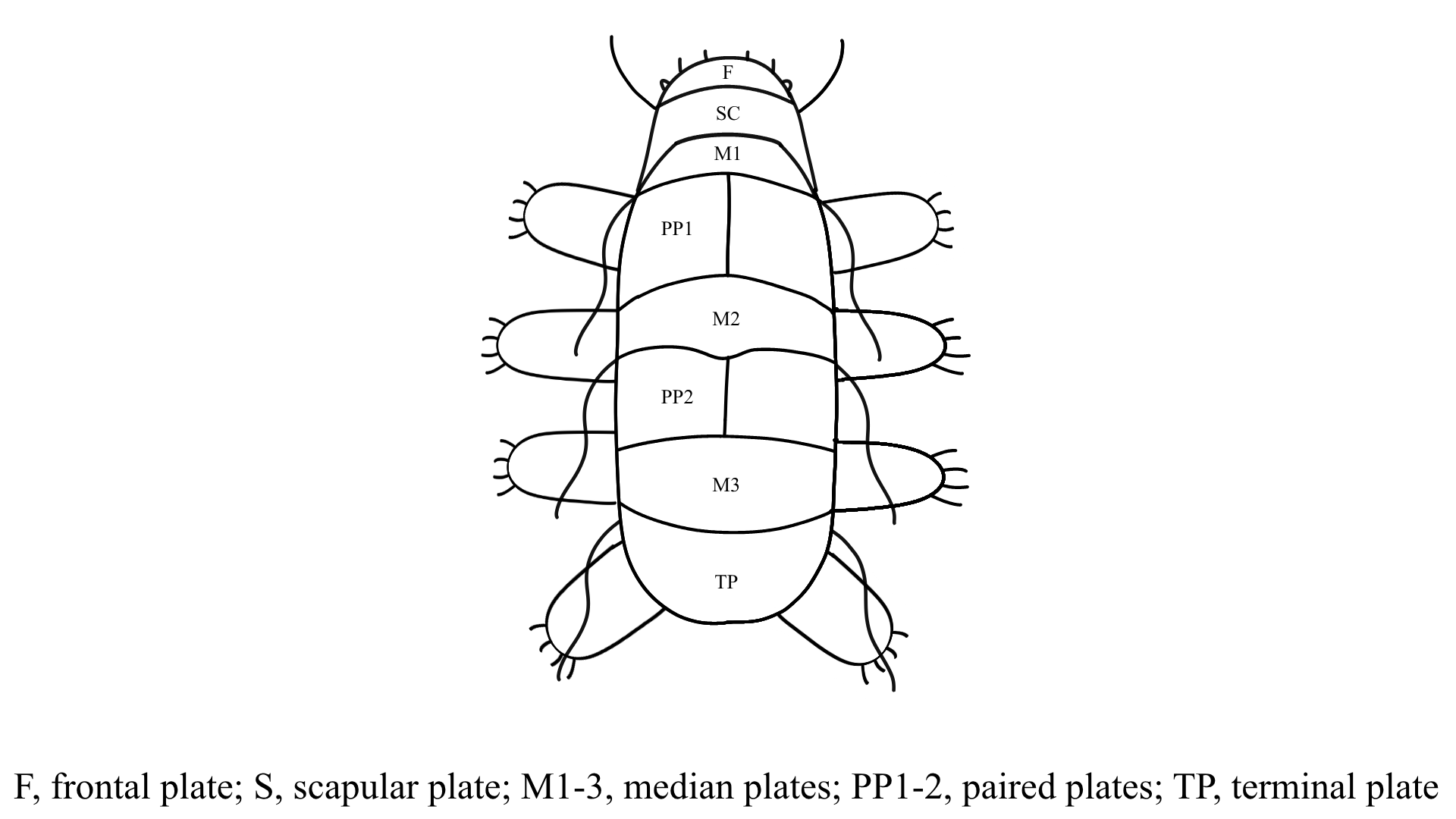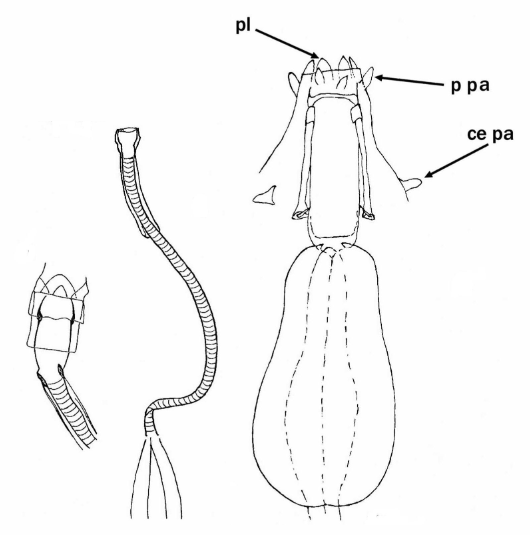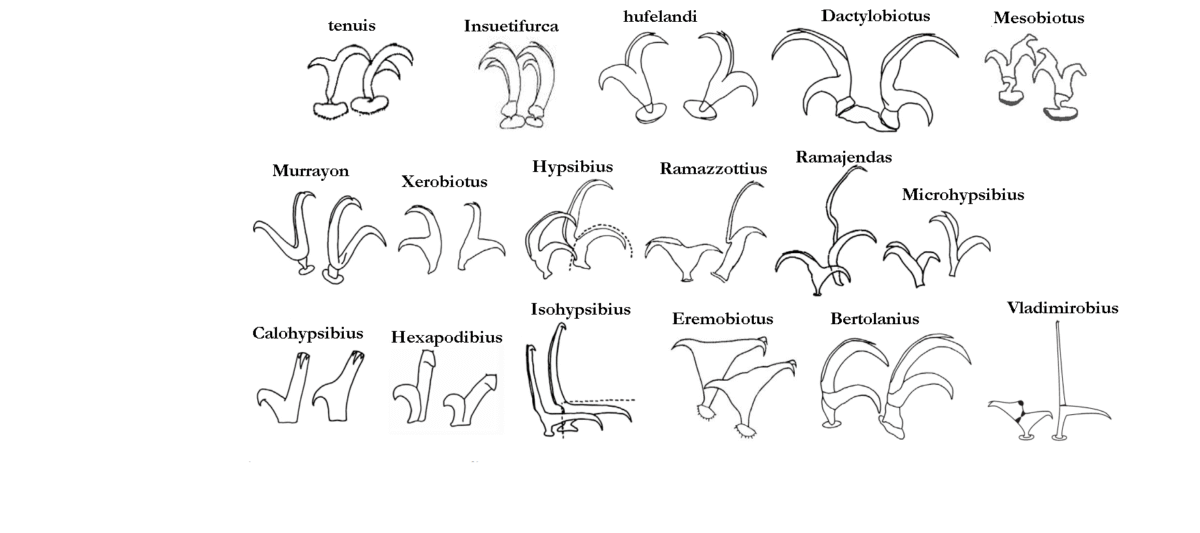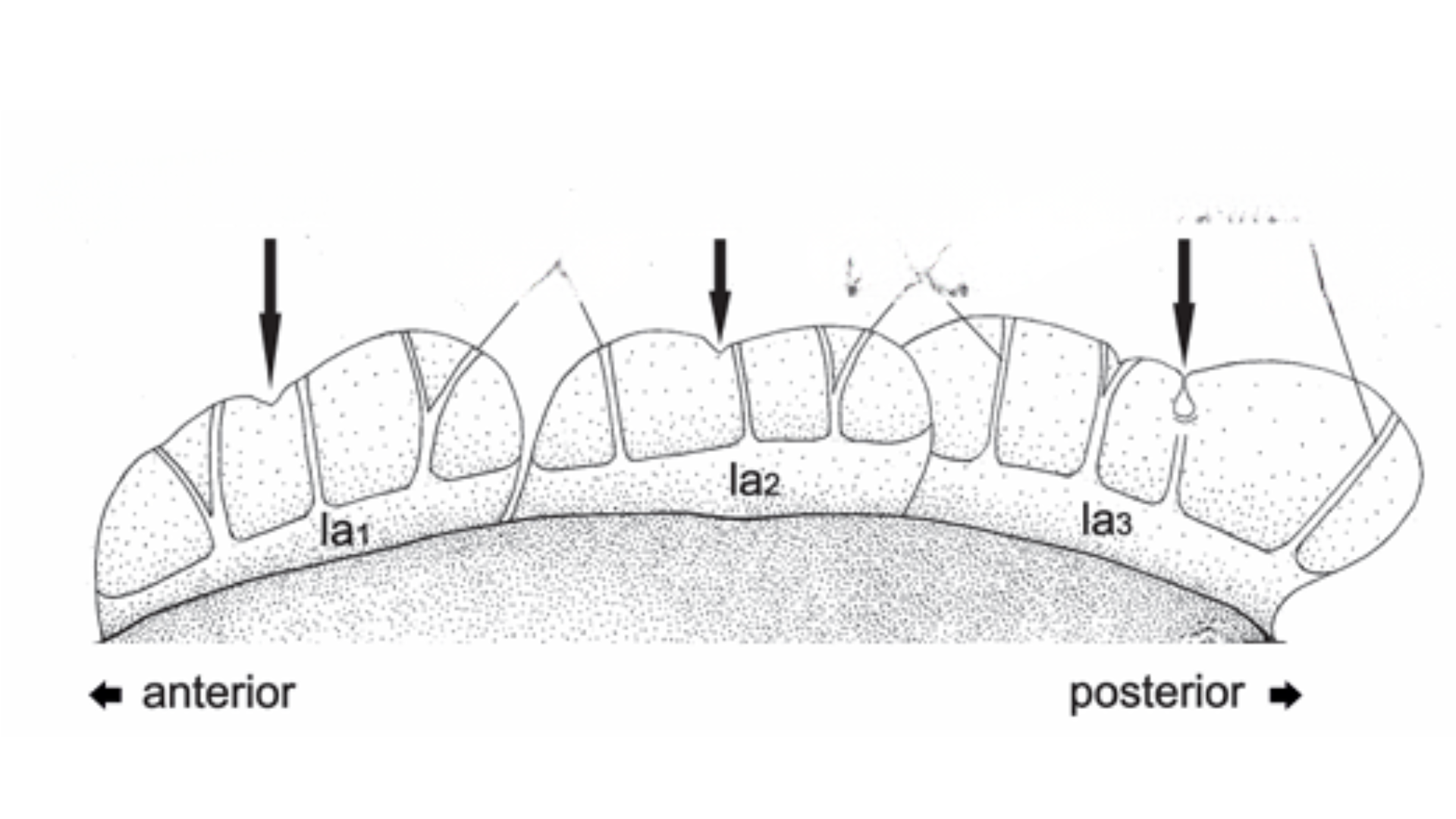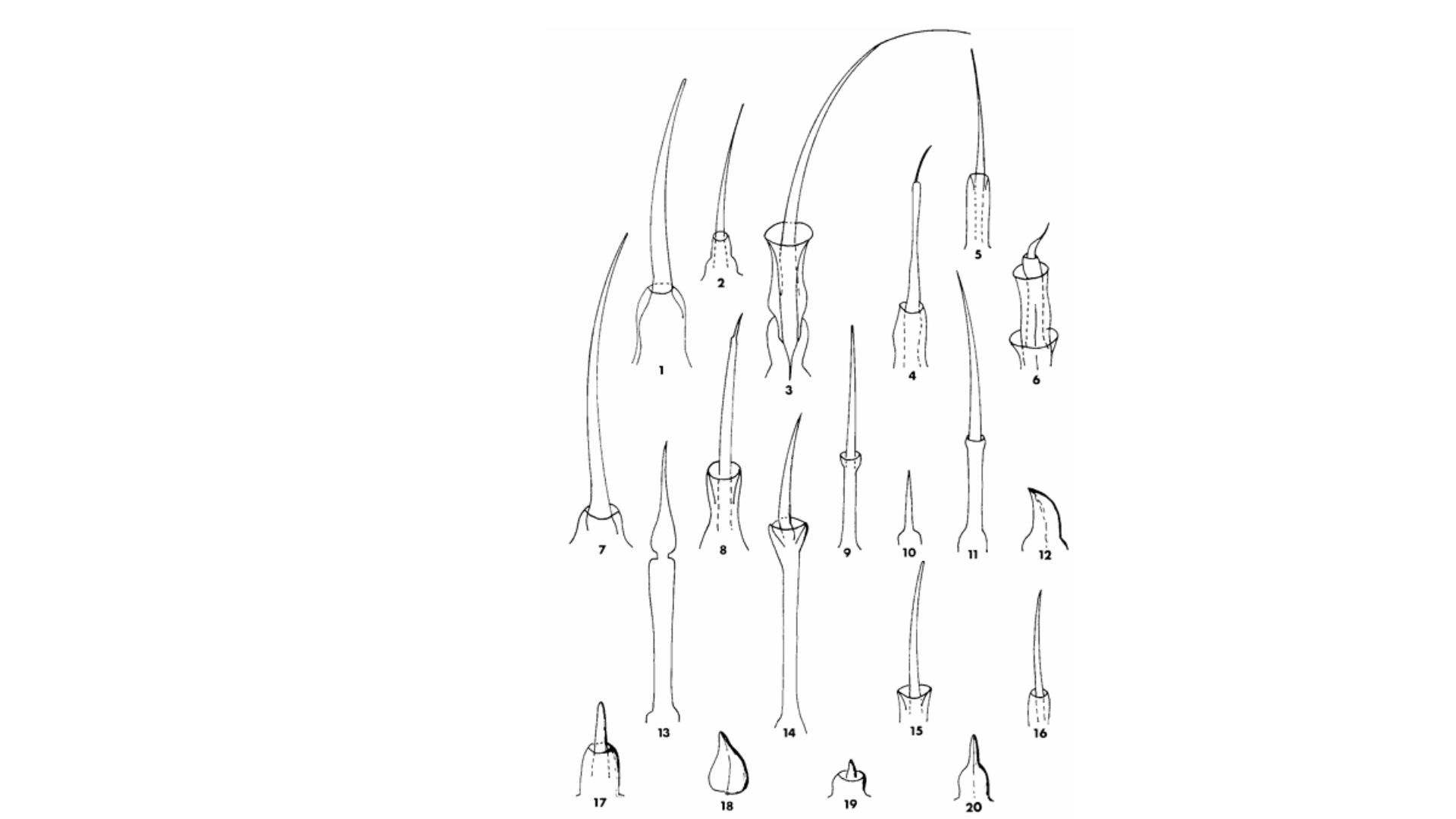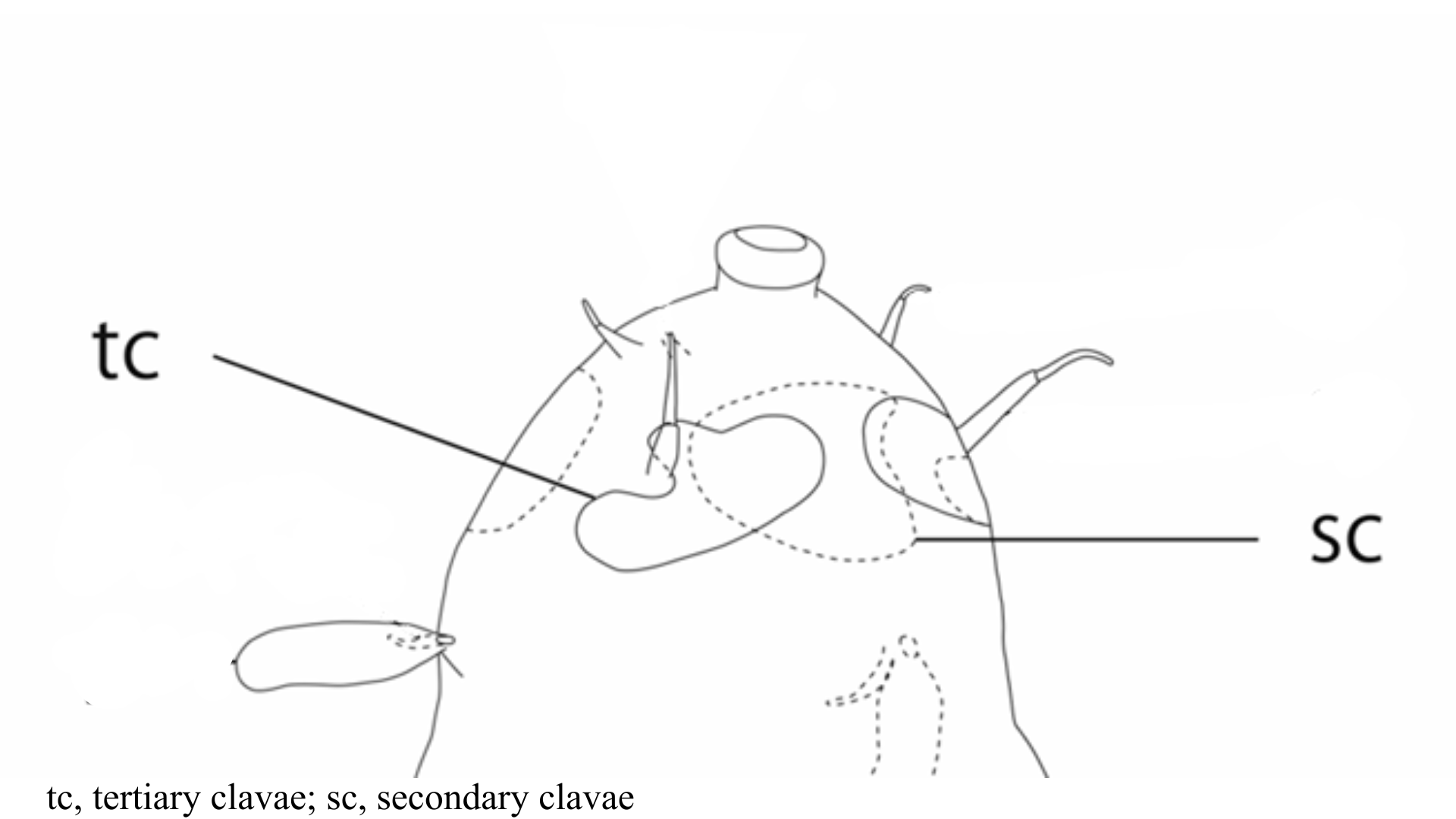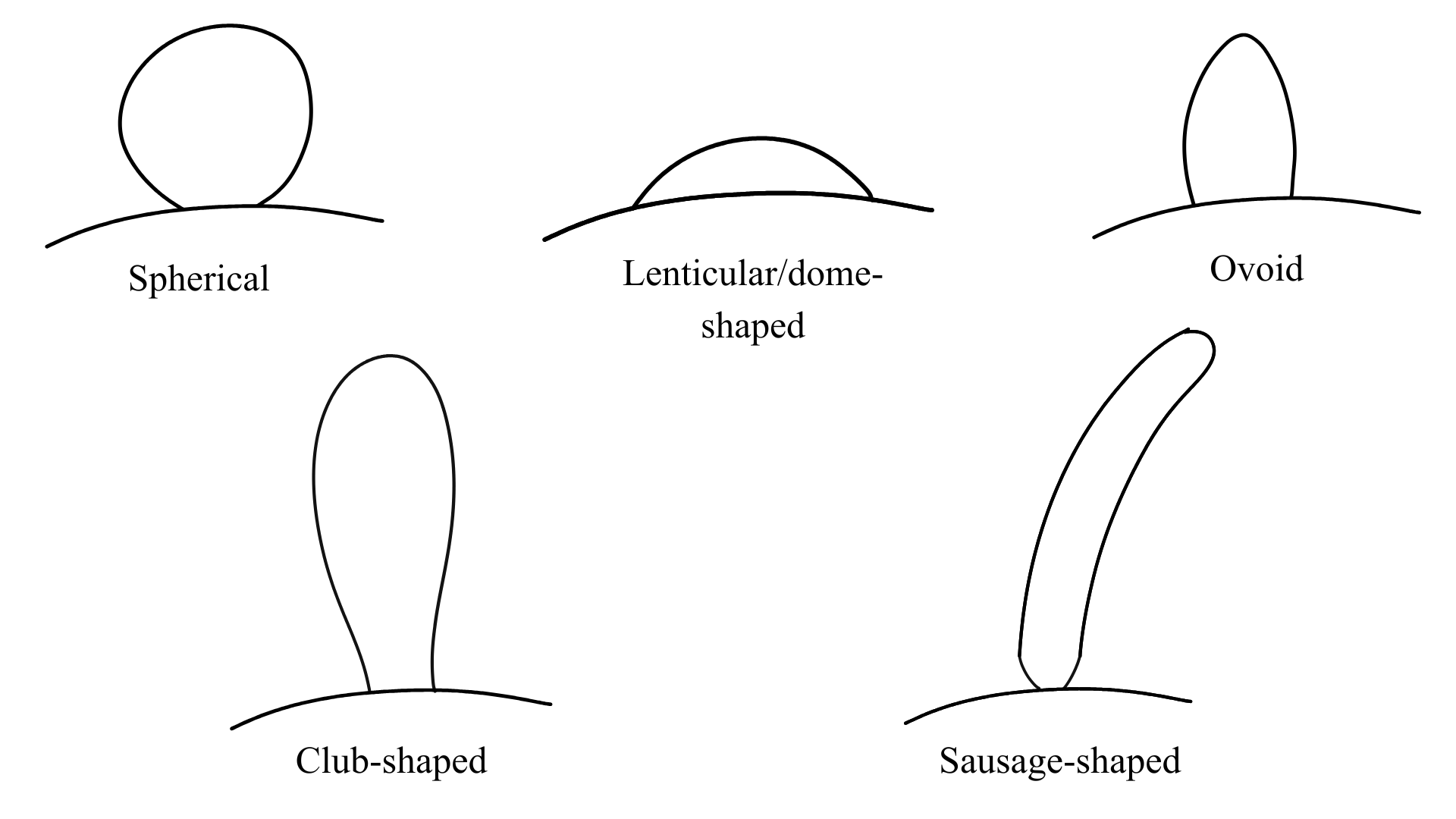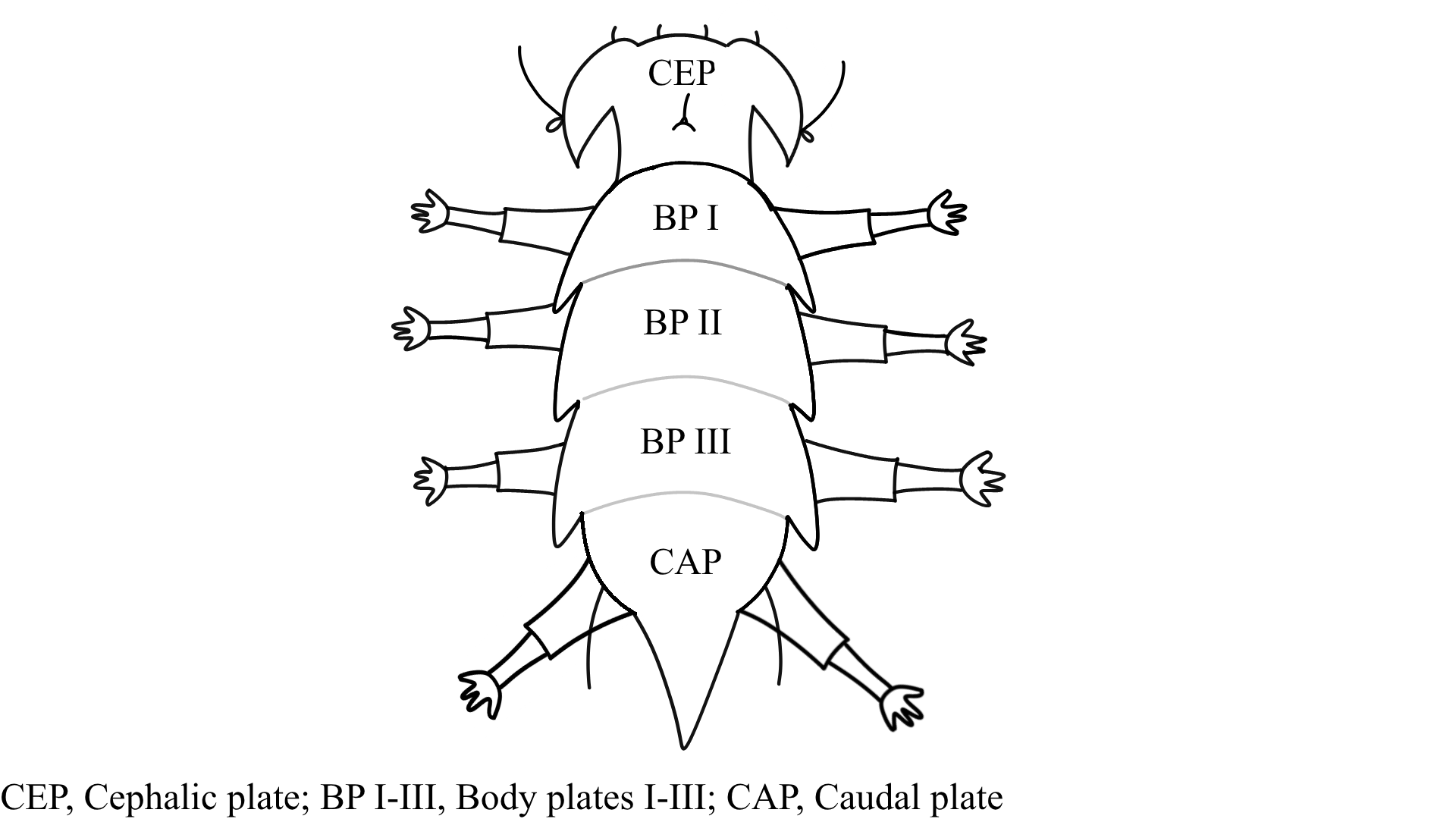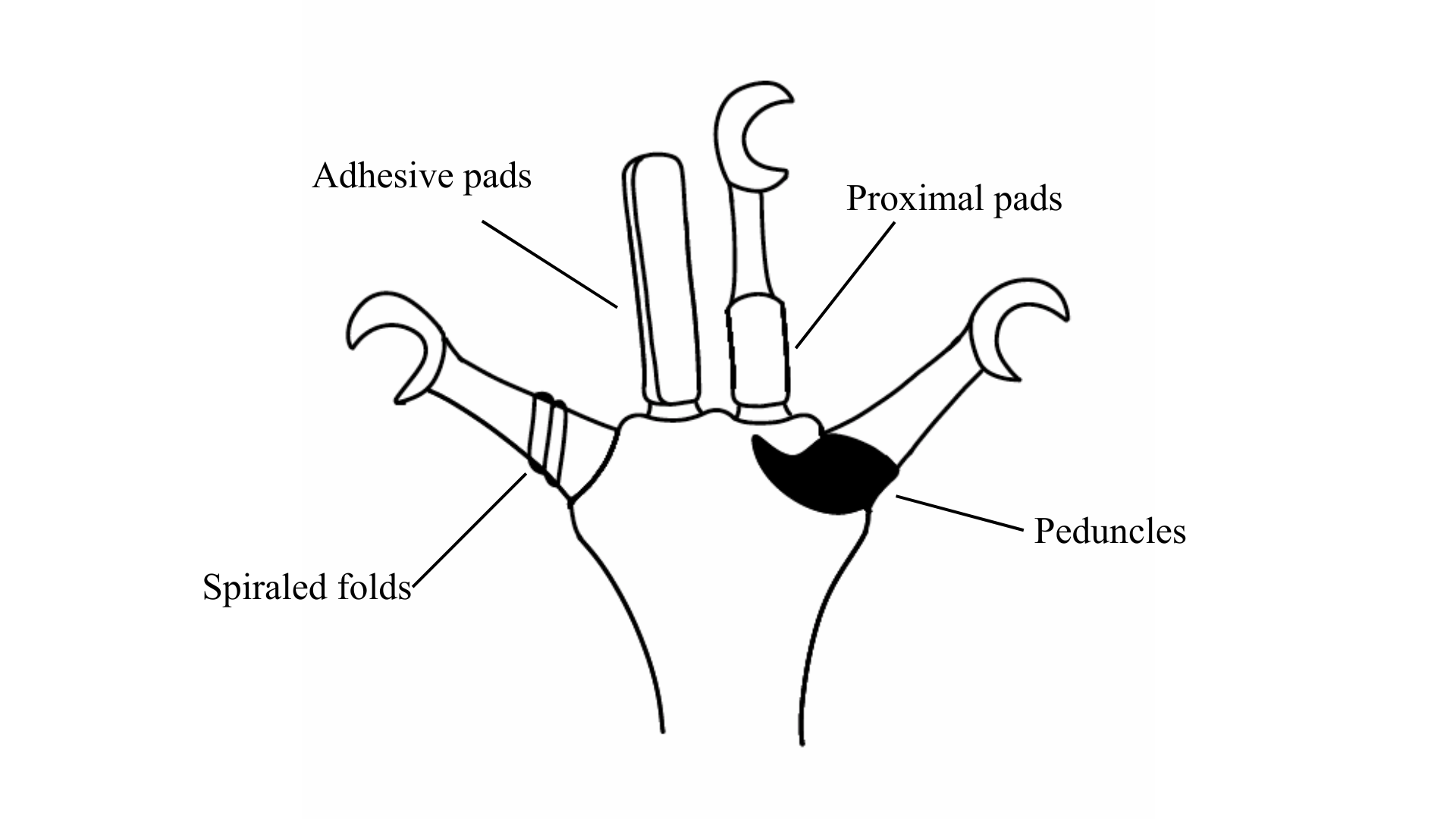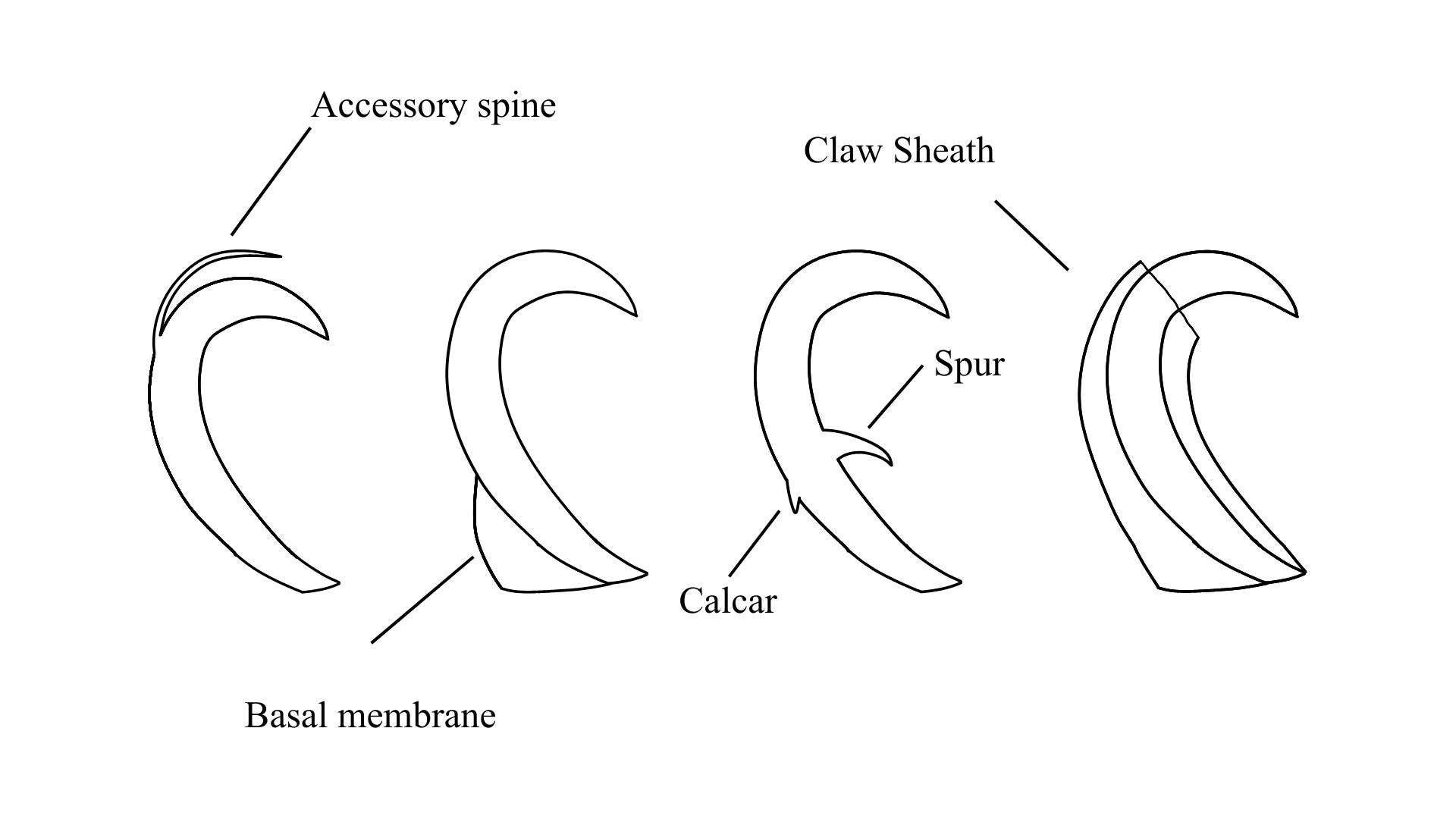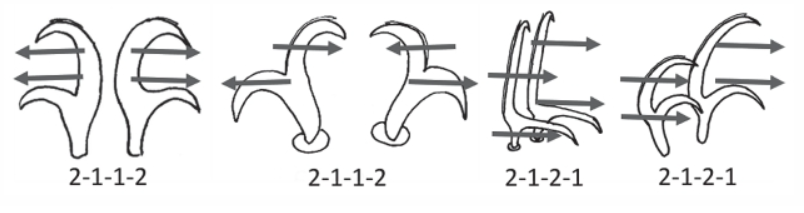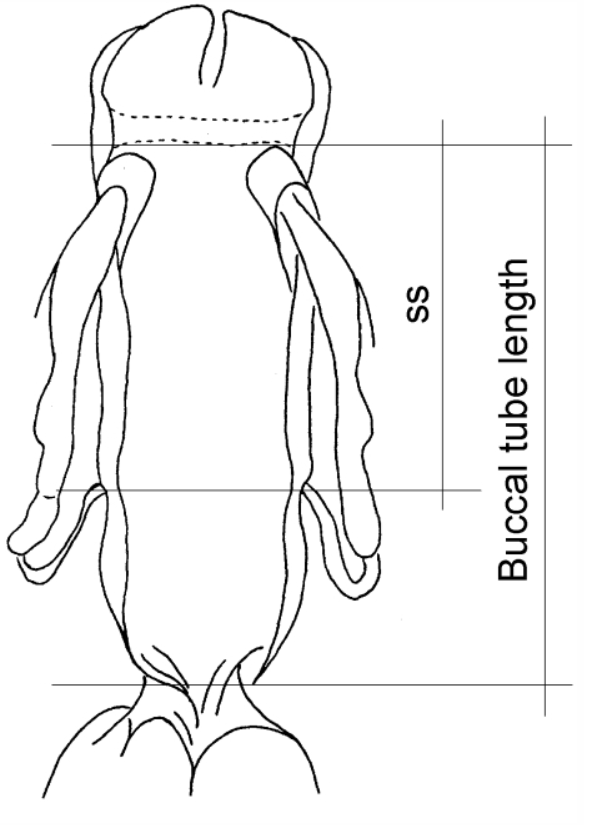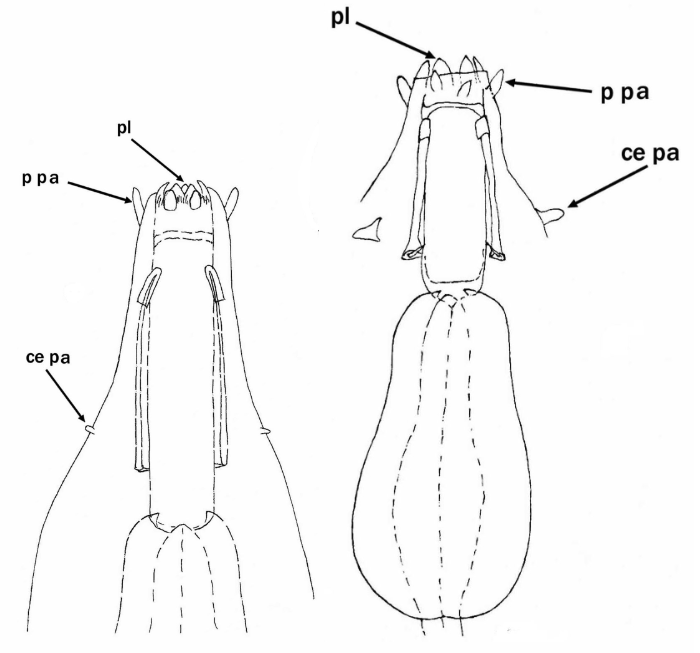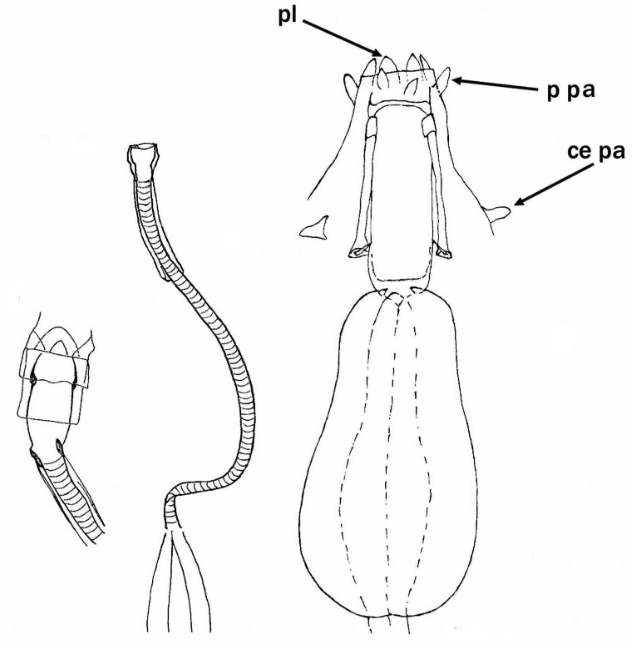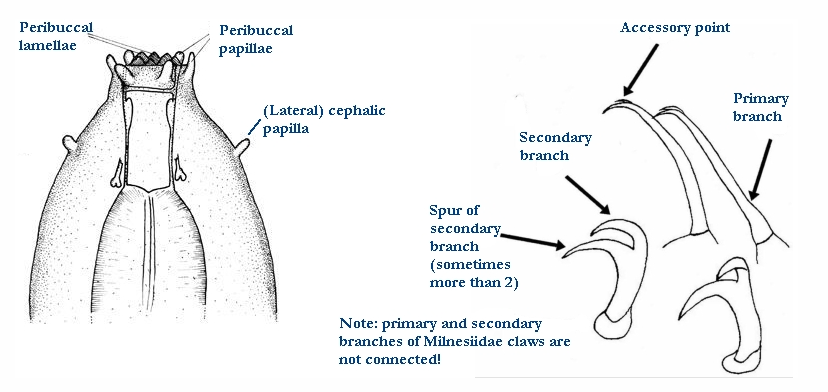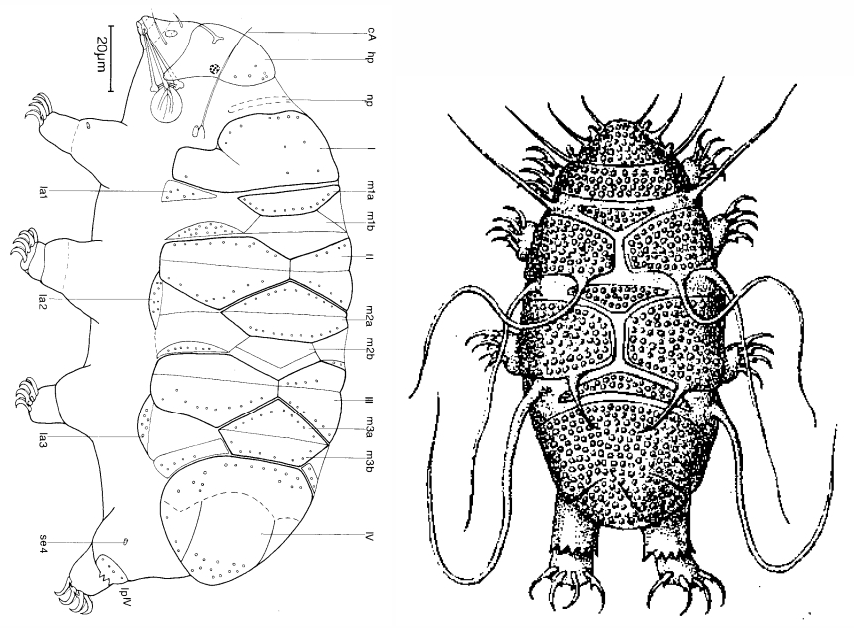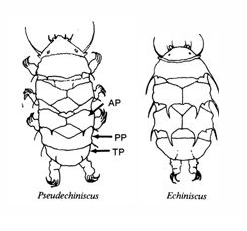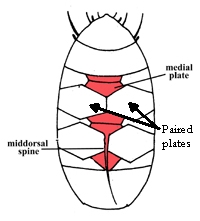
limno-terrestrial, and marine species; two fossil species
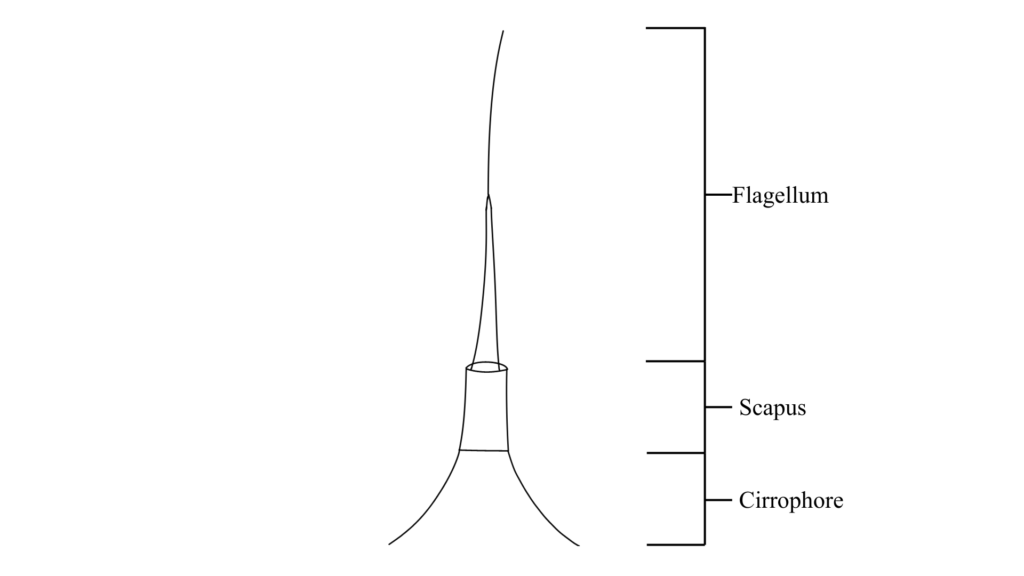
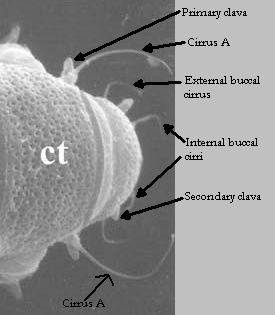
{Without cephalic appendages such as cephalic cirri, lateral cirri A or clavae, only
peribuccal and lateral papillae can be present; gonopore not separated from anus; two
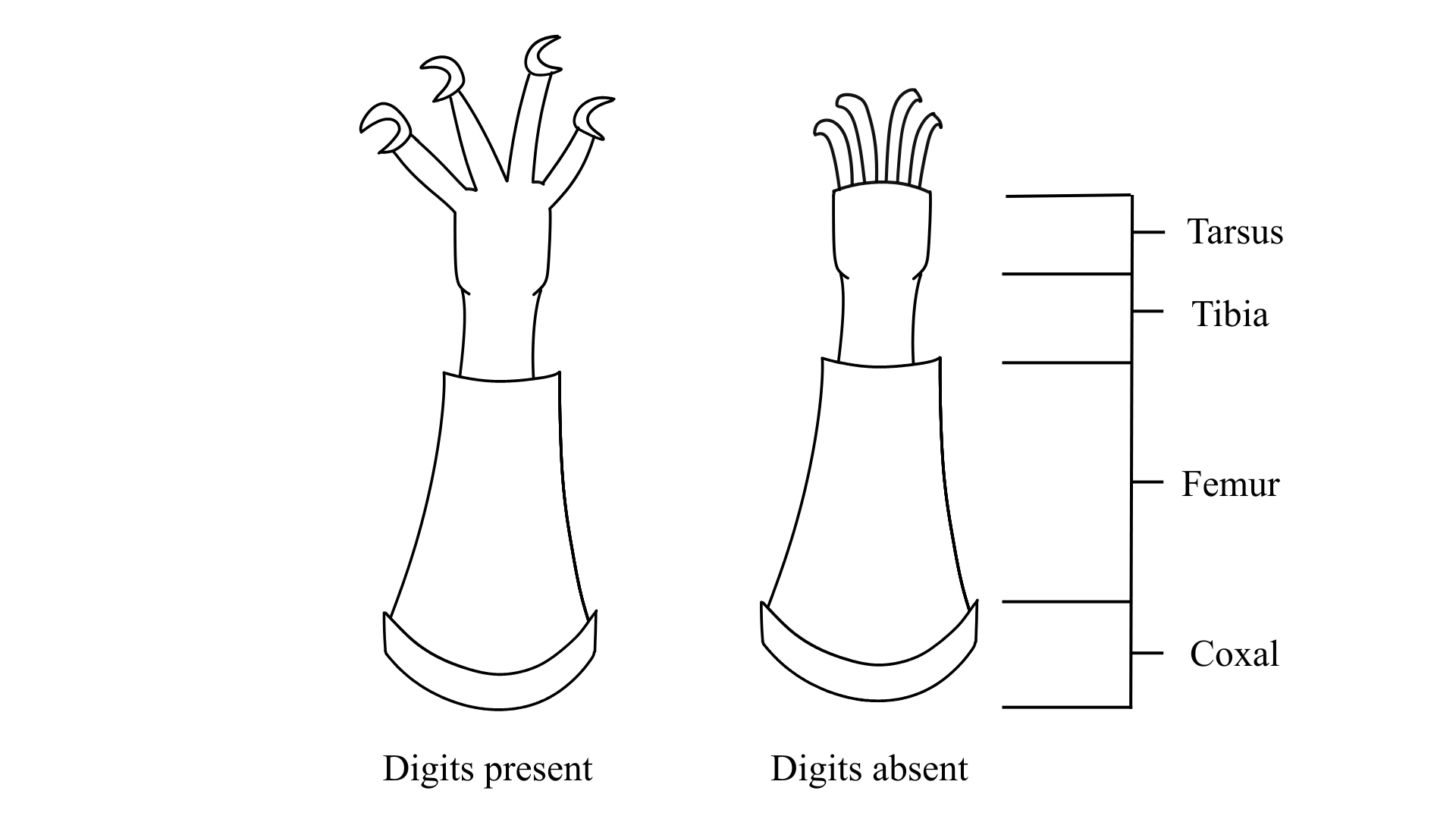
double claws composed of a primary and a secondary branch fused or positioned one
behind the other (secondary branch can be reduced or absent, or claws can be
strongly reduced or even absent in some genera).} (Bertolani et al. 2014)
(Degma P, Guidetti R. 2018. Tardigrade Taxa. In: Water Bears: The biology of tardigrades. Schill RO, Editor. Switzerland: Springer Nature. p. 371-409. DOI: 10.1007/978-3-319-95702-9_15.)
Generic keys:
Pilato G, Binda MG. 2010. Definition of families, subfamilies, genera and subgenera of the Eutardigrada, and keys to their identification. Zootaxa. 2404: 1-54.
Nelson DR, Guidetti R, Rebecchi L. 2015. Phylum Tardigrada. In Thorp JH, Covich AP. (Eds.). Ecology and classification of North American freshwater invertebrates. Academic press. pp. 347-380.
Bingemer J, Hohberg K. 2017. An illustrated identification key to the eutardigrade species (Tardigrada, Eutardigrada) presently known from European soils. Soil Organisms. 89(3): 127-149.