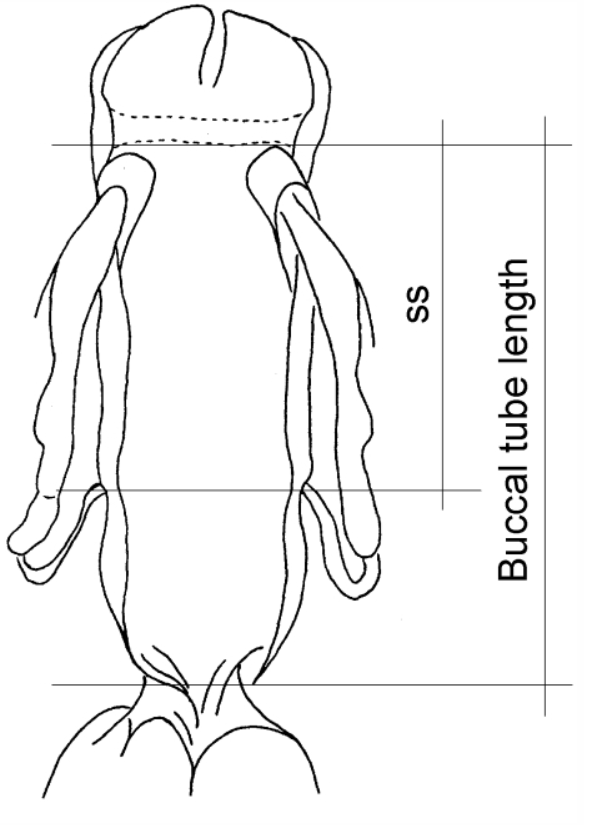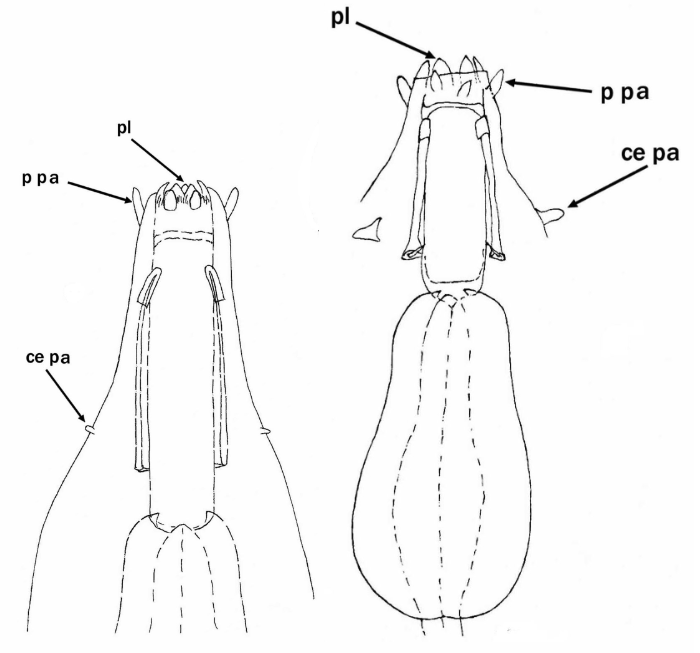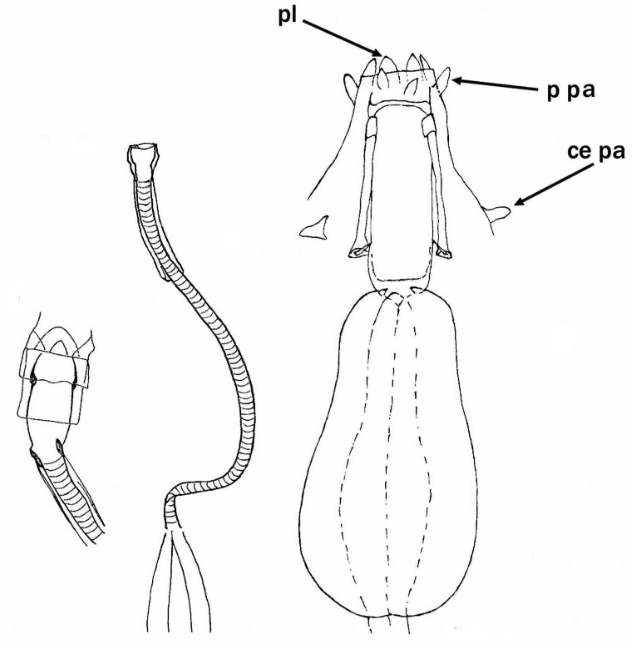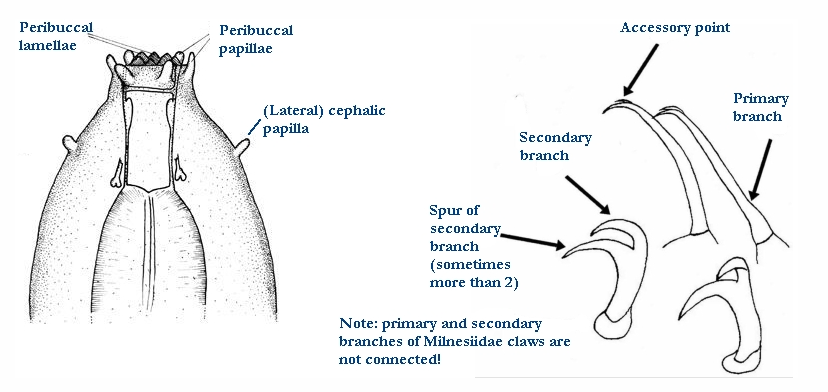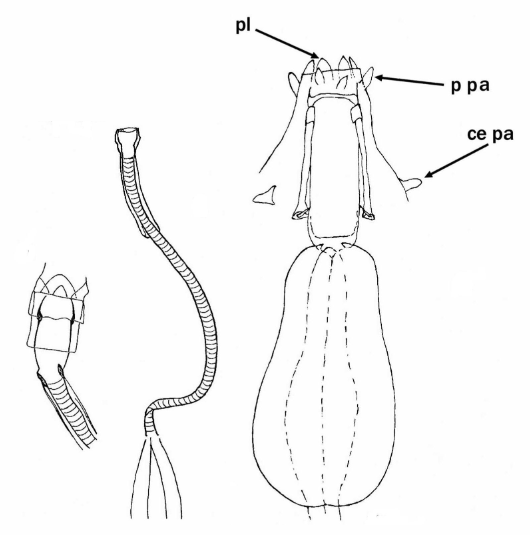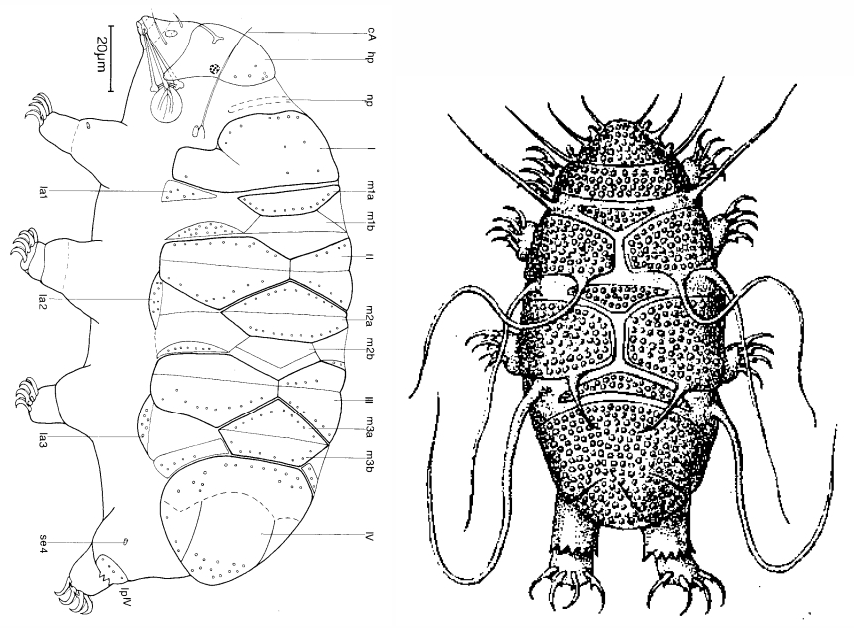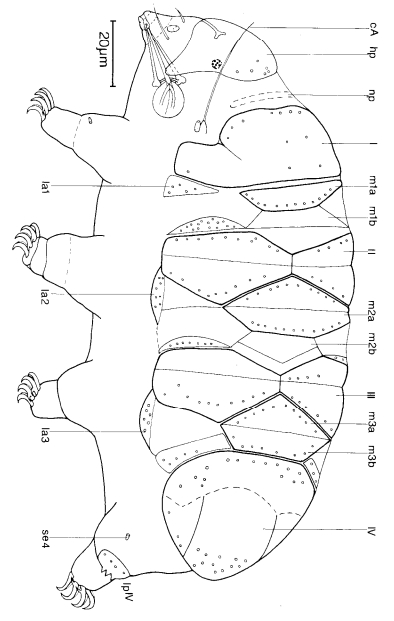

Genus description (of Hypsibius (Isohypsibius) sculptus, with minor edits) from Ramazzotti 1962: “Lunghezza circa 200 µm. La cuticola è scolpita e presenta una granulazione estremamente fine, diffusa ovunque, anche sulla superficie ventrale. Il tubo boccale è stretto ed il suo diametro esterno è di circa 2.5 µm in un Tardigrado di 200 µm. Sempre per un individuo di queste dimensioni il bulbo — che contiene due macroplacoidi — misura 30 µm X 25 µm; il primo macroplacoide è un po’ più lungo del secondo ed ha una lieve strozzatura mediana; il microplacoide è assente.
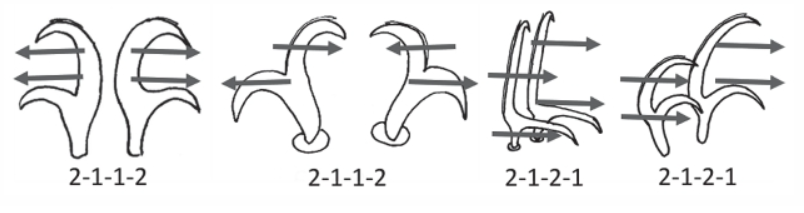
Le diplounghie di ciascuna delle prime tre paia di zampe hanno grandezza quasi uguale; sul quarto paio di zampe la diplounghia esterna è poco più grande di quella interna; da notarsi che 1’aspetto delle diplounghie varia moltissimo a seconda dell’ angolo visuale, analogamente a quanto accade, per esempio, in Hypsibius augusti.
In questa specie infatti i due rami — principale e secondario – di ogni diplounghia sono uguali, o differiscono assai poco fra di loro in lunghezza.”
Translation (Google translate with manual correction): Approximately 200 µm in length. The cuticle is sculpted and features extremely fine granulation, widespread throughout, even on the ventral surface. The mouth tube is narrow, with an external diameter of approximately 2.5 µm in a 200 µm tardigrade. For an individual of this size, the pharyngeal bulb—which contains two macroplacoids—measures 30 µm x 25 µm; the first macroplacoid is slightly longer than the second and has a slight median constriction; the microplacoid is absent. The diploclaws of each of the first three pairs of legs are almost equal in size; on the fourth pair of legs, the external diploclaws are slightly larger than the internal ones. Note that the appearance of the diploclaws varies greatly depending on the viewing angle. In this species, in fact, the two branches – main and secondary – of each diploclaw are equal, or differ very little from each other in length.
Genus description from Tumanov et al. 2024: “Body cuticle with a layer of well discernible intracuticular pillars visible as dotted pattern in light microscopy. No tubercles. Buccal tube rigid. Pharynx spherical with two elongate macroplacoids. Microplacoids or septula absent. Claws of Isohypsibius-type.”


Citations:
Ramazzotti G. 1962. Tardigradi del Cile, con descrizione di quattro nuove specie et di una nuova varieta. Atti della Societa italiana di Scienze naturali e del Museo Civico di Storia naturale di Milano. 101: 275 – 287.
Tumanov DV, Shunatova NN, Fedyuk KA. 2024. Integrative description of Grevenius annulatus (Eutardigrada, Isohypsibioidea) from North-West Russia with new data on the species cuticular structure leads to the institution of a new genus. Zoologica Scripta. 00: 1–21. https://doi.org/10.1111/zsc.12703