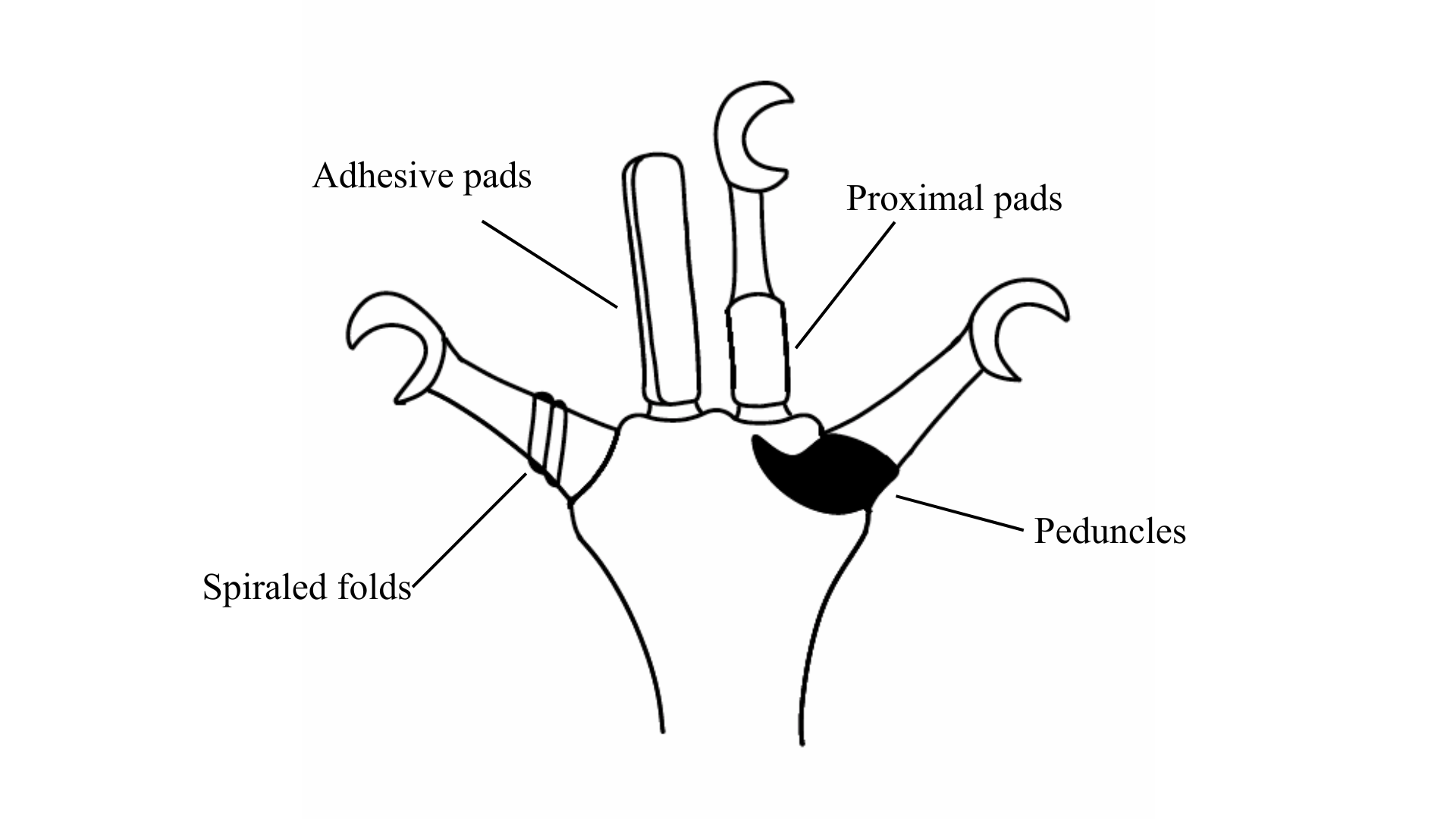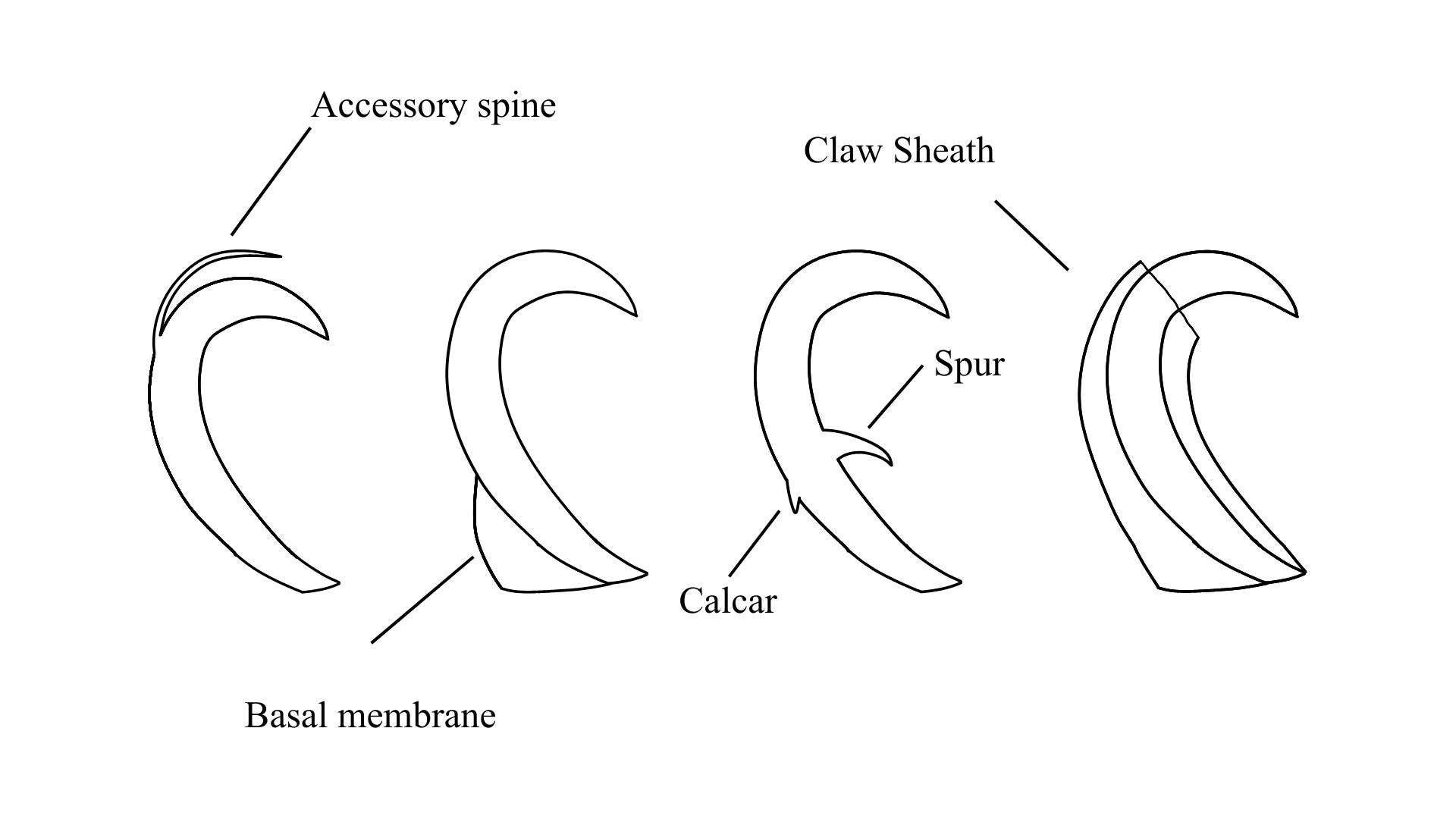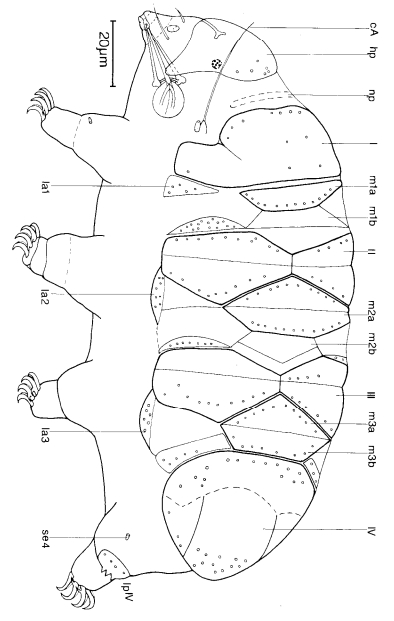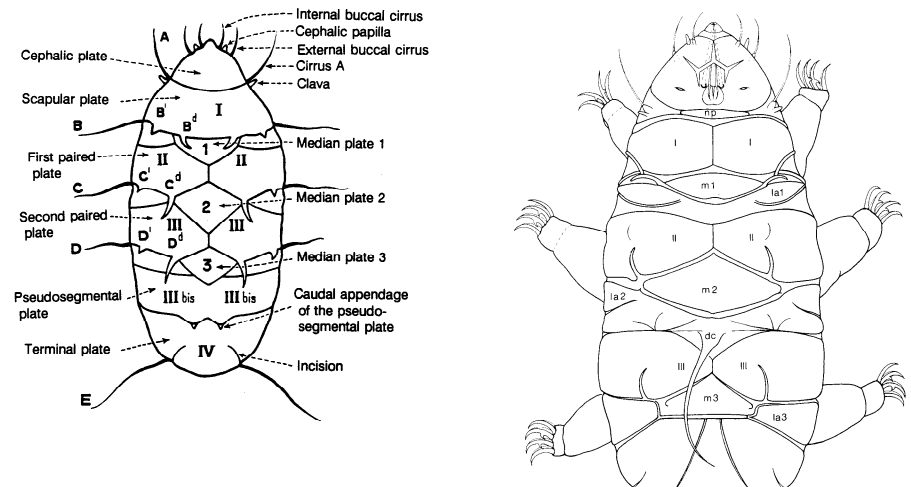

Genus description from Gasiorek et al. 2019: “Aquatic (limnic or intertidal) or hygrophilic. Cuticle smooth or rough, covered with evident protuberances or wrinkles, sometimes forming reticulum. Claw bases with pseudolunulae. Single bars or no cuticular bars under claws. Two rows of teeth in the oral cavity. Stylet furcae of the Hypsibius type.”
Genus description excerpted (with omissions) from Gąsiorek 2024 in the following 3 paragraphs:
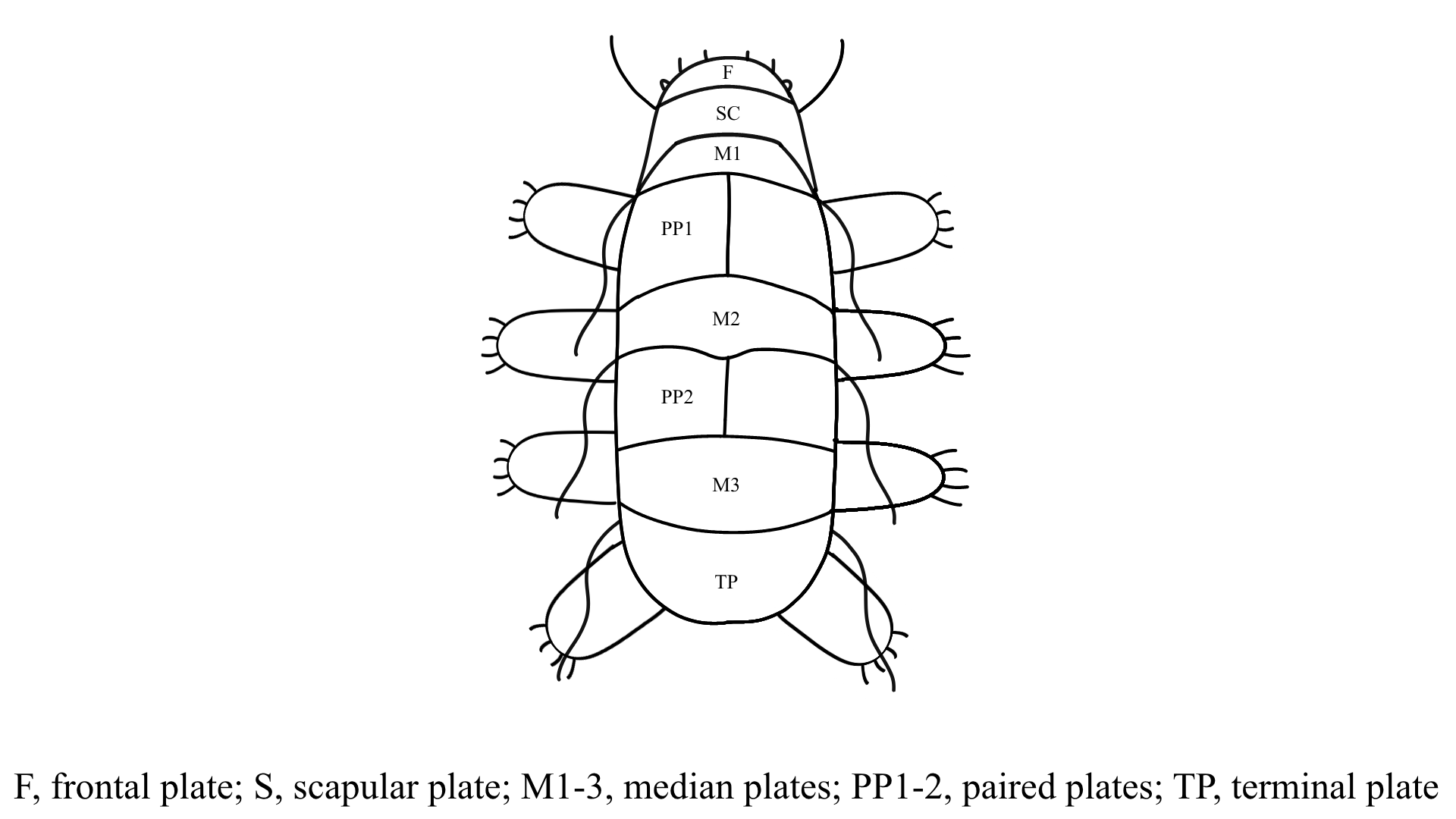
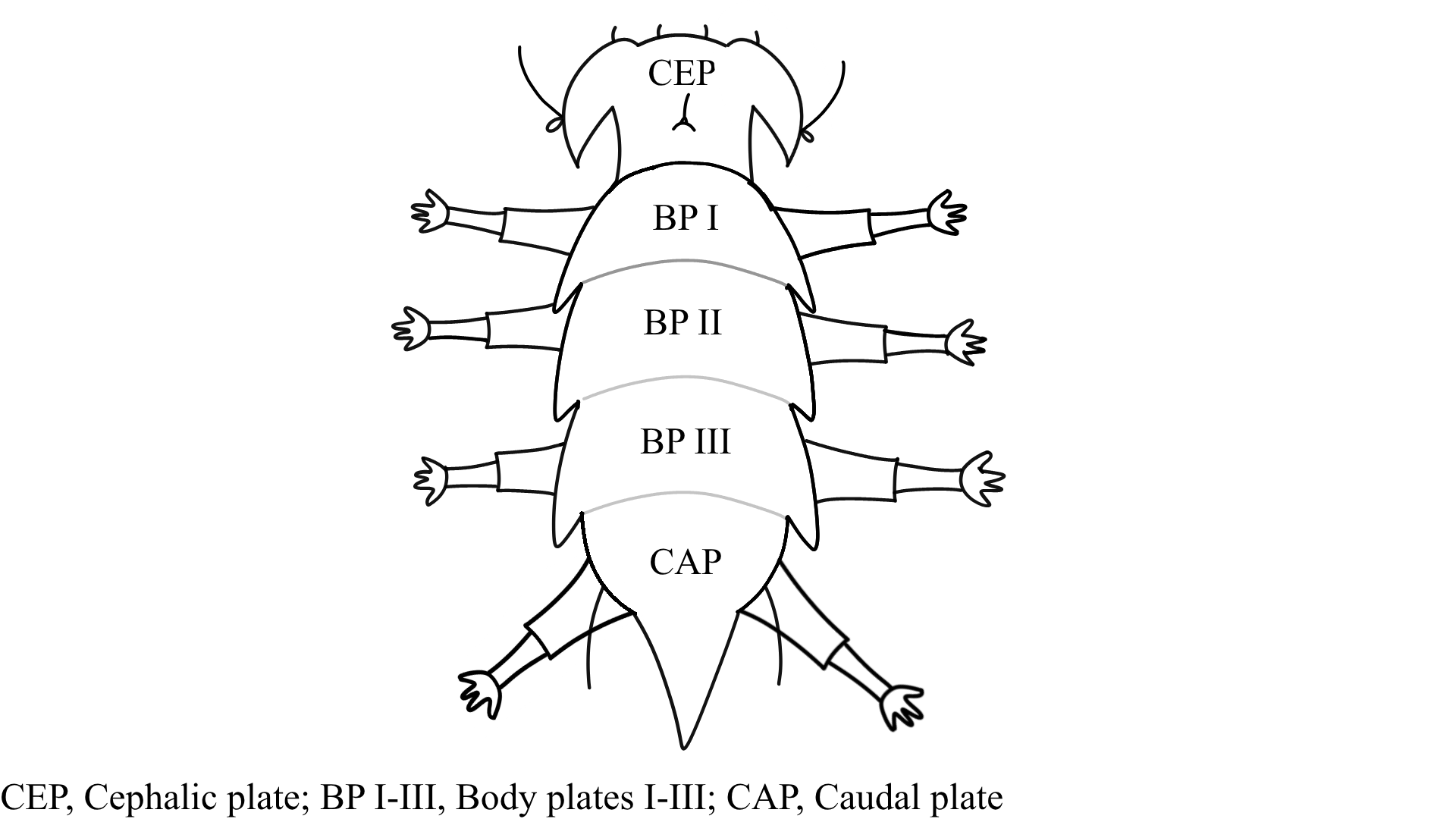
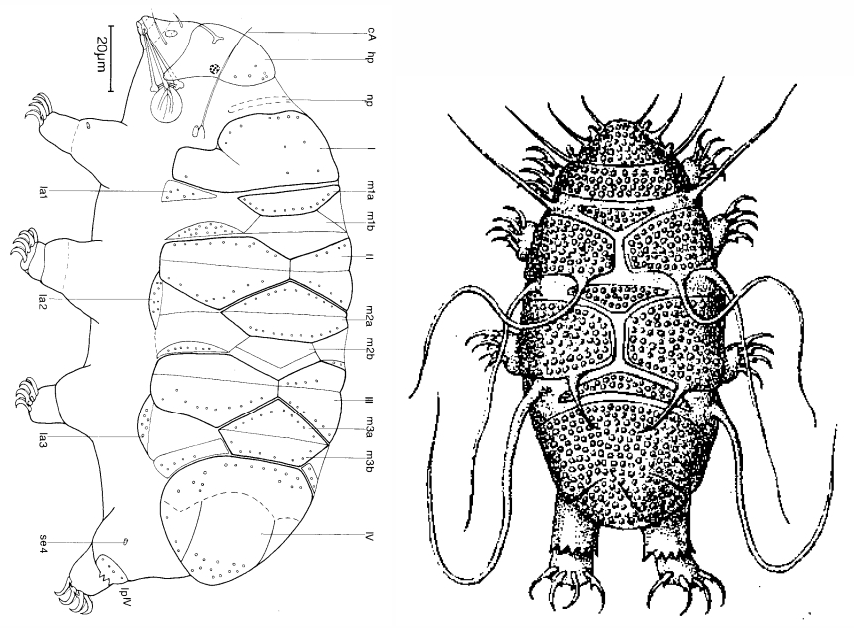
Body large and stocky, clearly bent dorsoventrally. Cuticular sculpturing well-developed dorsally throughout dorsum, extending to lateral sides and legs IV; legs I–III with weak wrinkling, mainly in the centromedian portion. Ventral cuticle smooth, not sculptured, only with some wrinkling. Muscle attachment points (MAPs) visible dorsolaterally on trunk. Cephalic region with a different type of sculpturing comprising deep wrinkling, smoothly passing at the level of legs I into the reticulum covering the rest of dorsum. Reticulum with thickened edges of polygons.
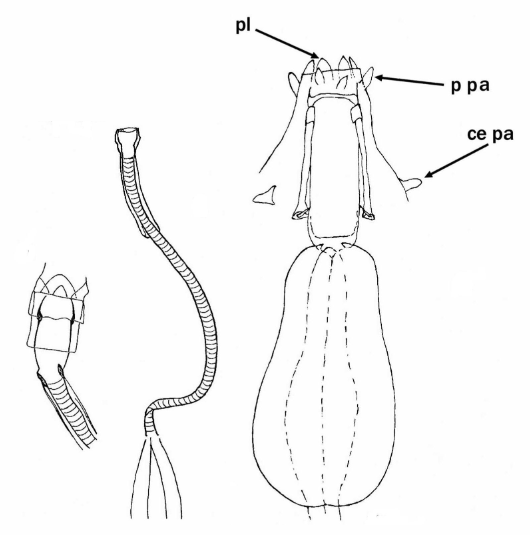
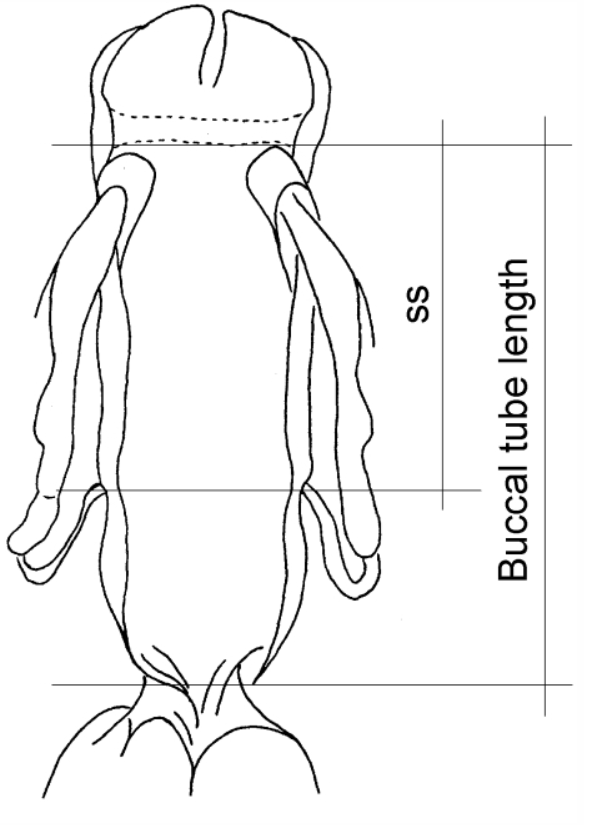
Bucco-pharyngeal apparatus of the Isohypsibius type. OCA visible in light microscope as black dots; in fact, it comprises two bands: the first containing three to five rows of small conical teeth and the second composed of one row of tear-shaped teeth. AISMs of the Isohypsibius type. Buccal tube narrow and terminated with pharyngeal apophyses. Pharynx with three macroplacoids, of which the first and the second are roughly of the same length, and the third is longer. Especially the terminal portion of the third macroplacoid can be separated from the remaining macroplacoid by a deep groove, causing an impression that a microplacoid is present.
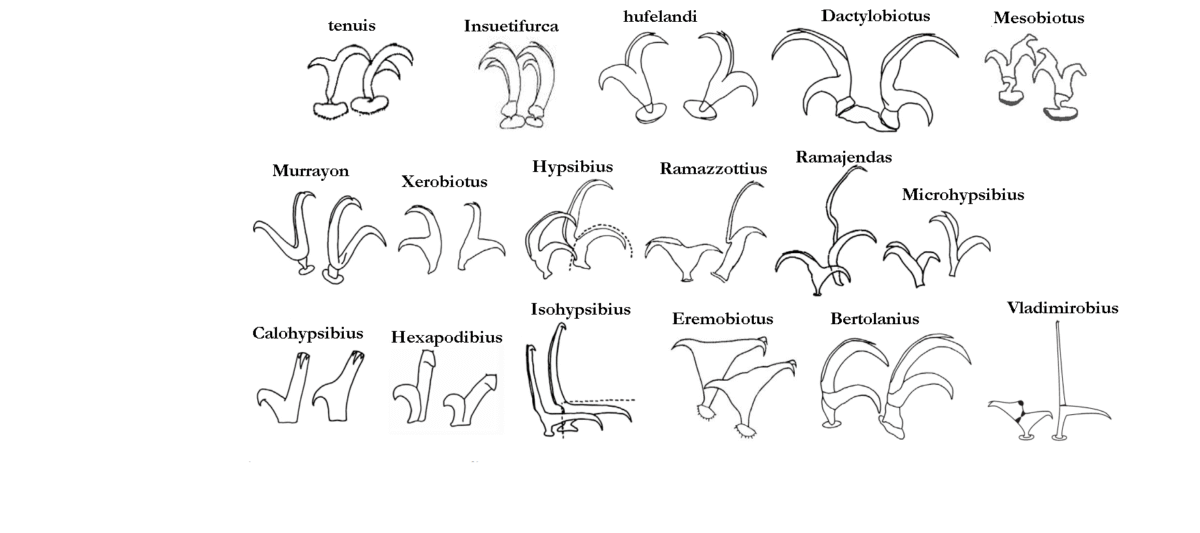
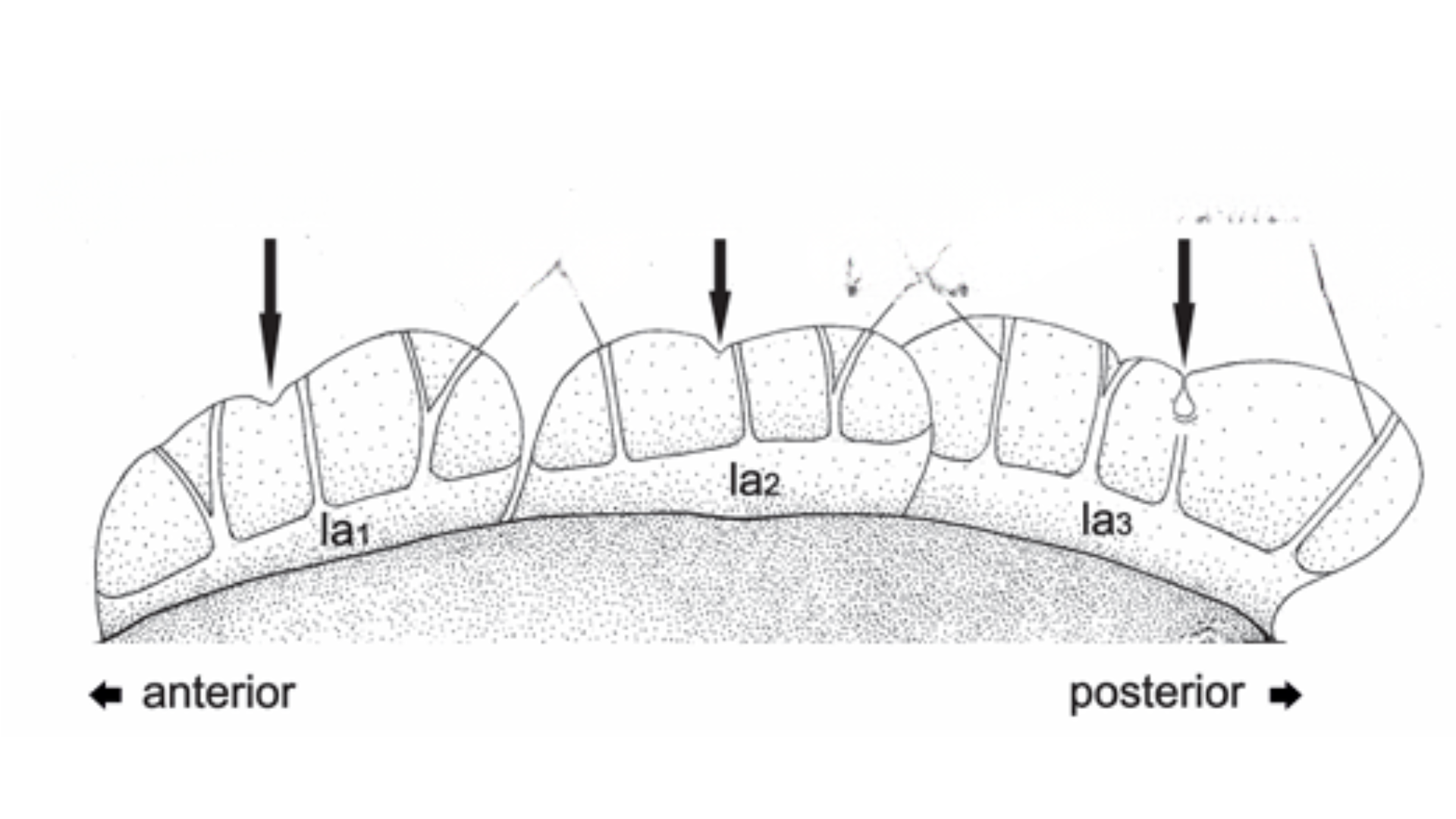
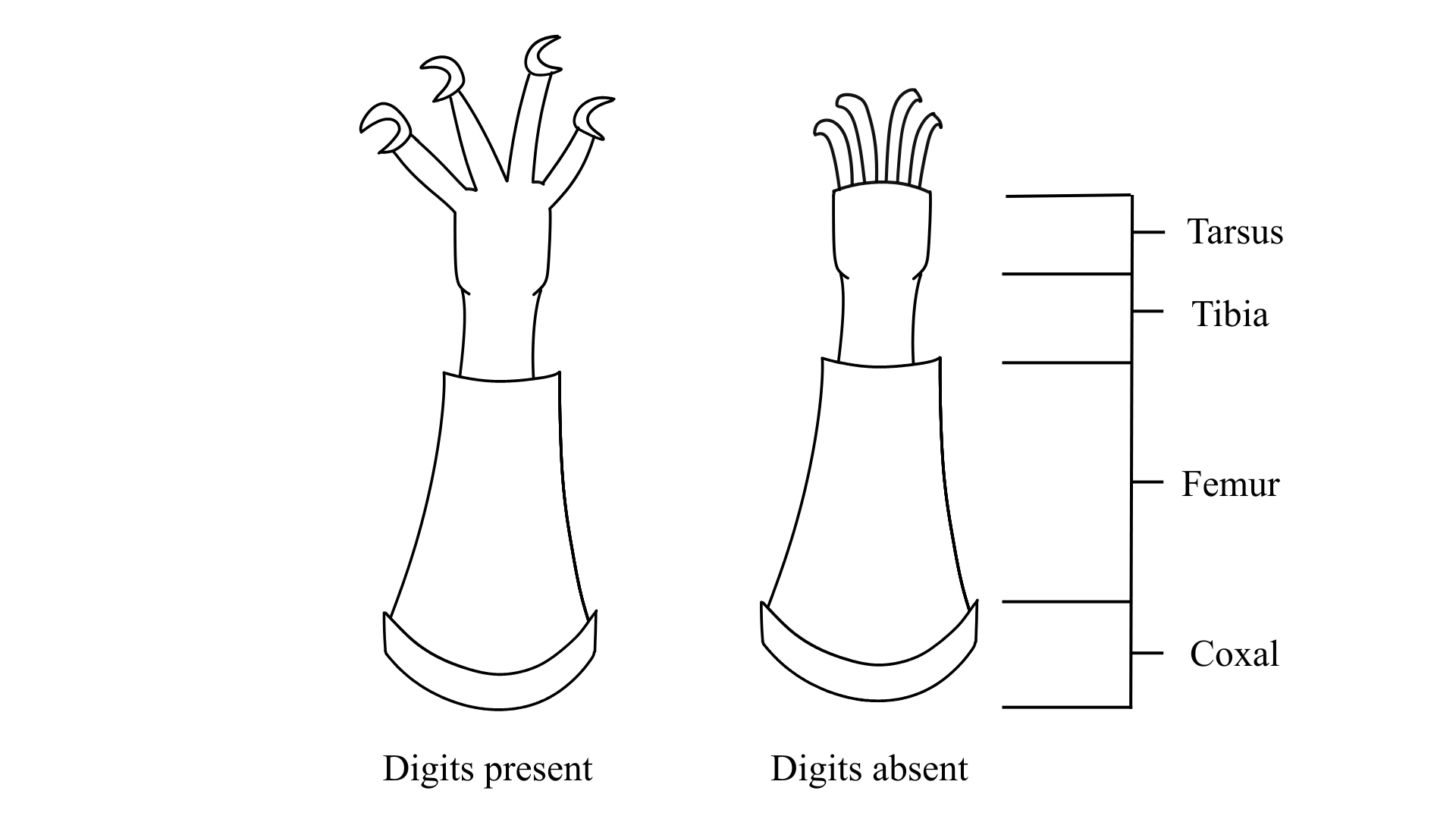
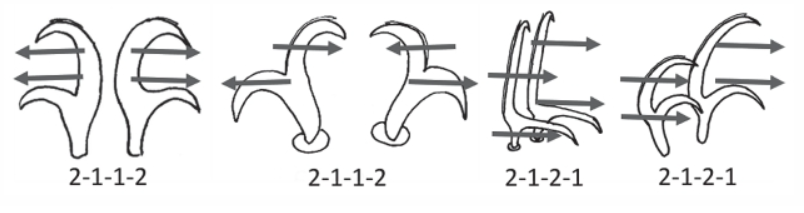
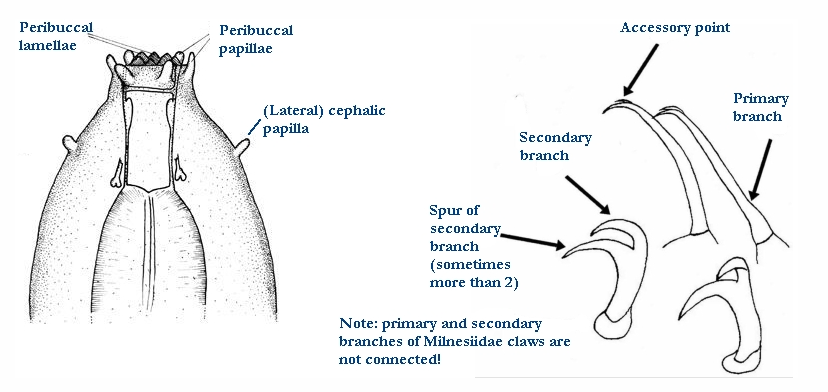
Claws of the Pseudobiotus type, with secondary and primary branches similar in height. Elongated (chalice-shaped) basal tracts and prominent humps on primary branches of internal and anterior claws present. Accessory points closely adjacent to primary branches. Pseudolunulae present, but often weakly developed and not observable in light microscope. Short and faint cuticular bars present under internal claws I–III, yet usually difficult to identify.

Citations:
Gąsiorek P. 2024. Grevenius granulifer (Thulin, 1928) revised: a fresh look at one of the most intensively studied water bears (Eutardigrada: Isohypsibioidea). Organisms Diversity & Evolution. 25: 29-41. https://doi.org/10.1007/s13127-024-00658-7
Gąsiorek, P., Stec, D., Morek, W. & Michalczyk, Ł. (2019) Deceptive conservatism of claws: distinct phyletic lineages concealed within Isohypsibioidea (Eutardigrada) revealed by molecular and morphological evidence. Contributions to Zoology, 88, 78–132.