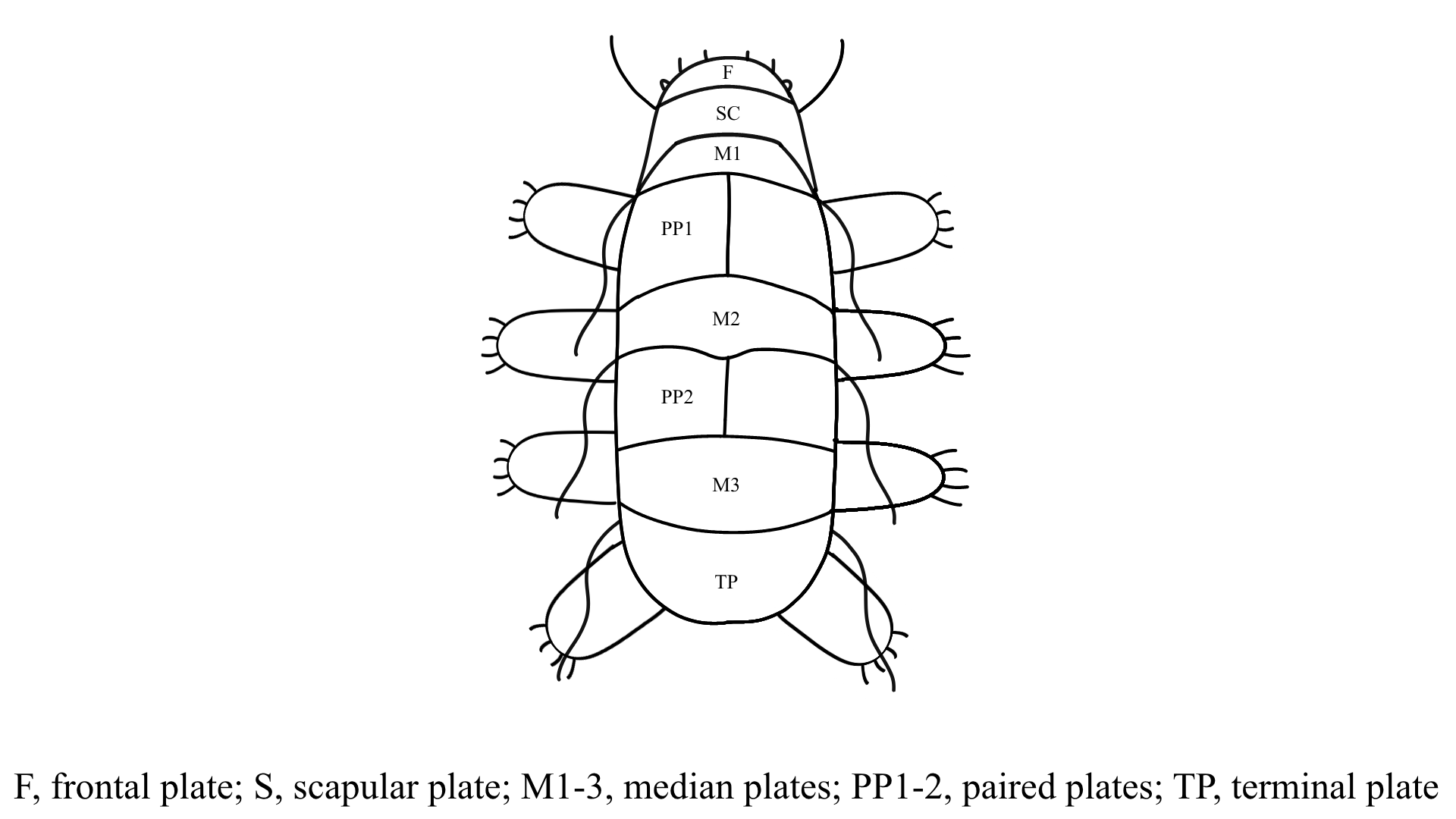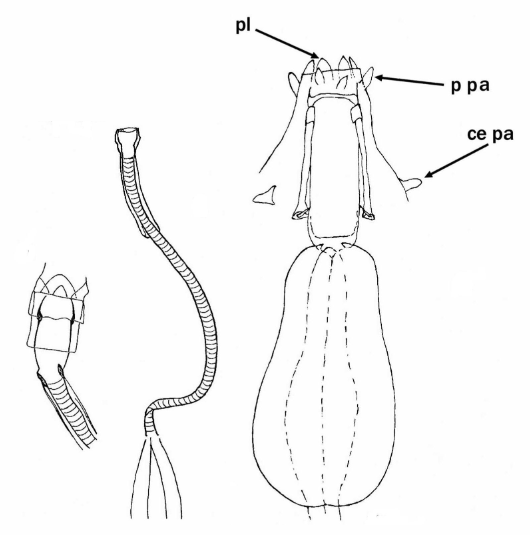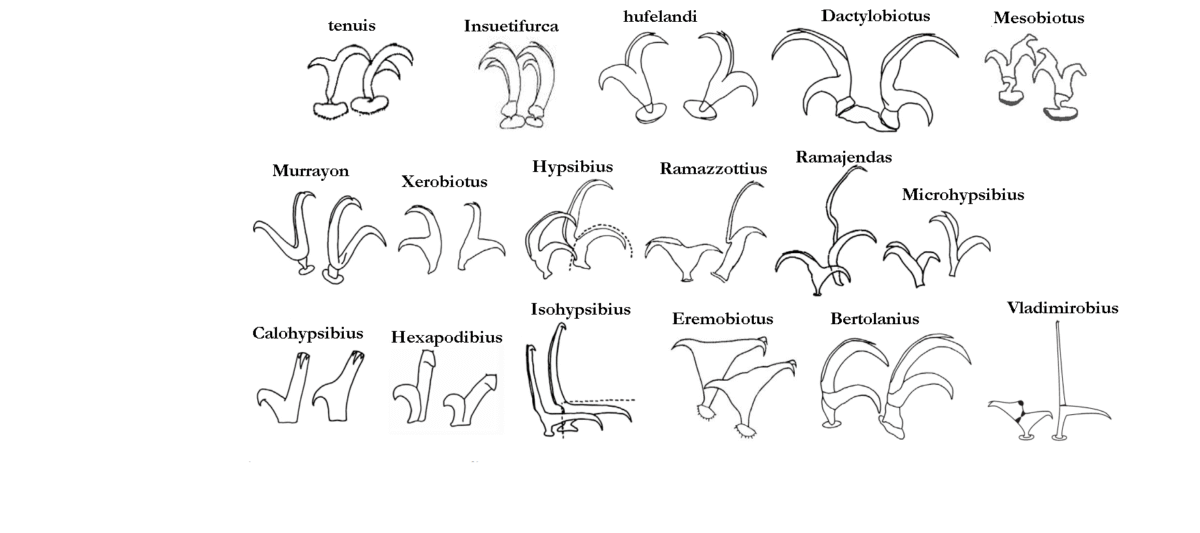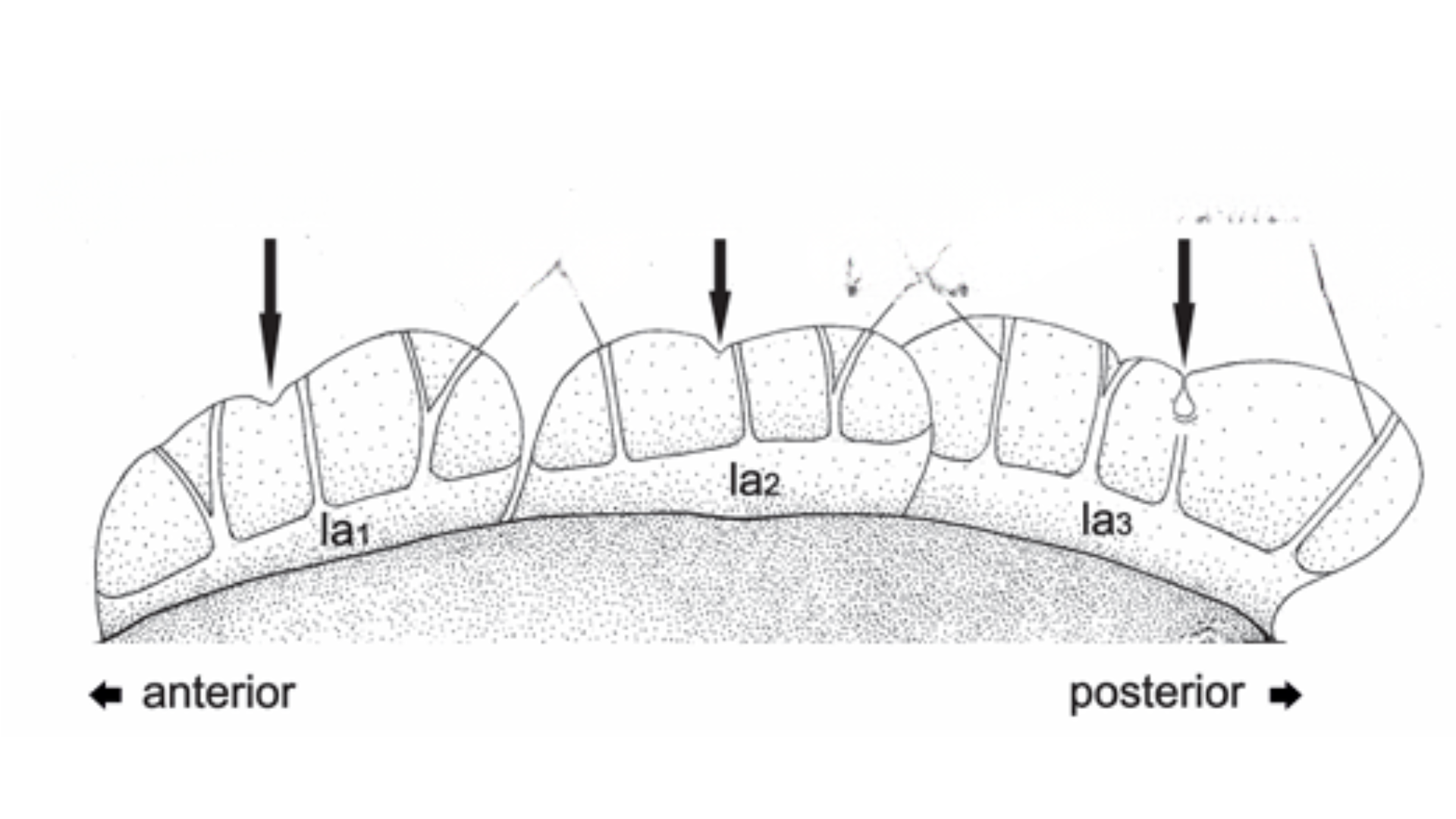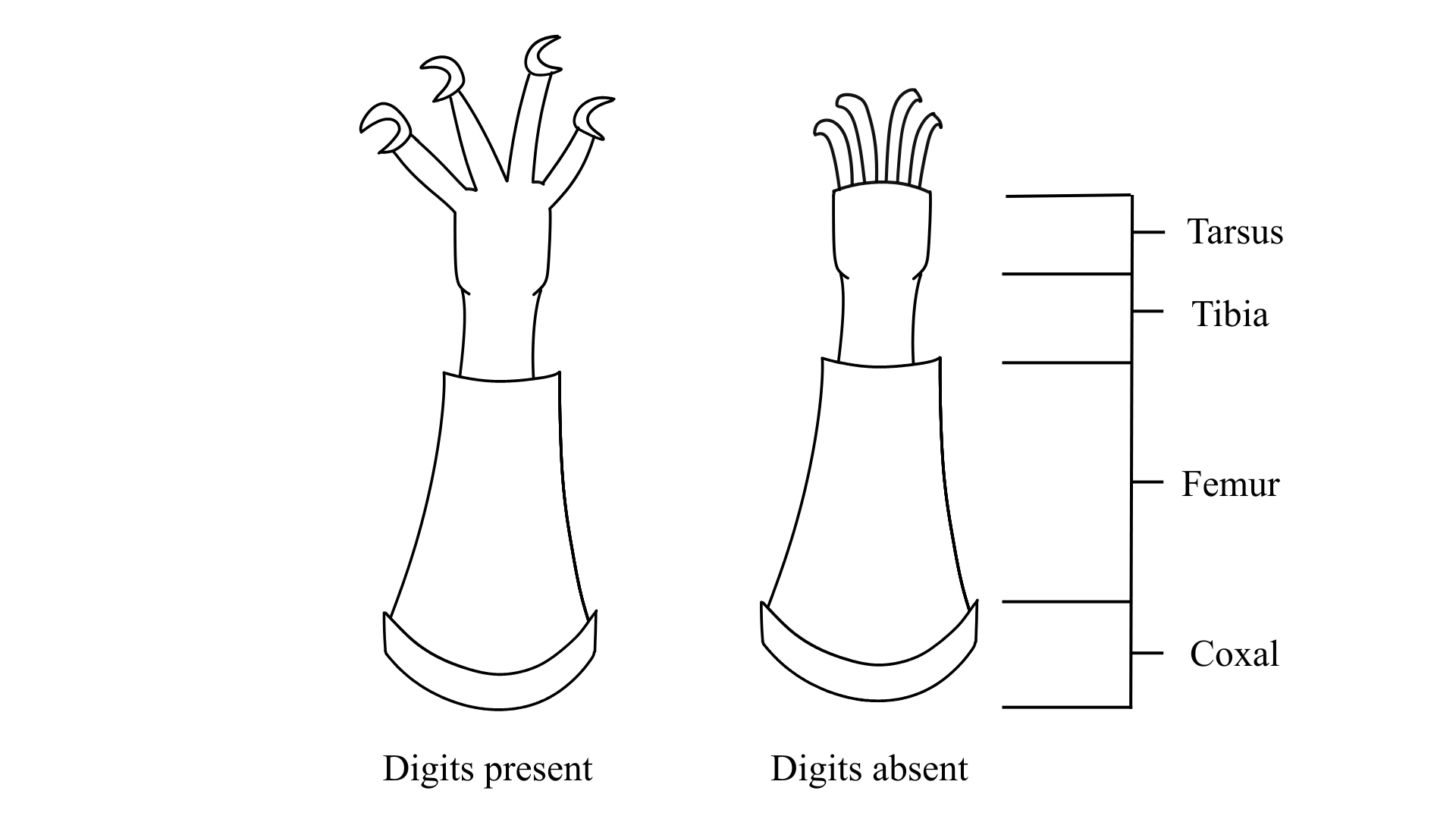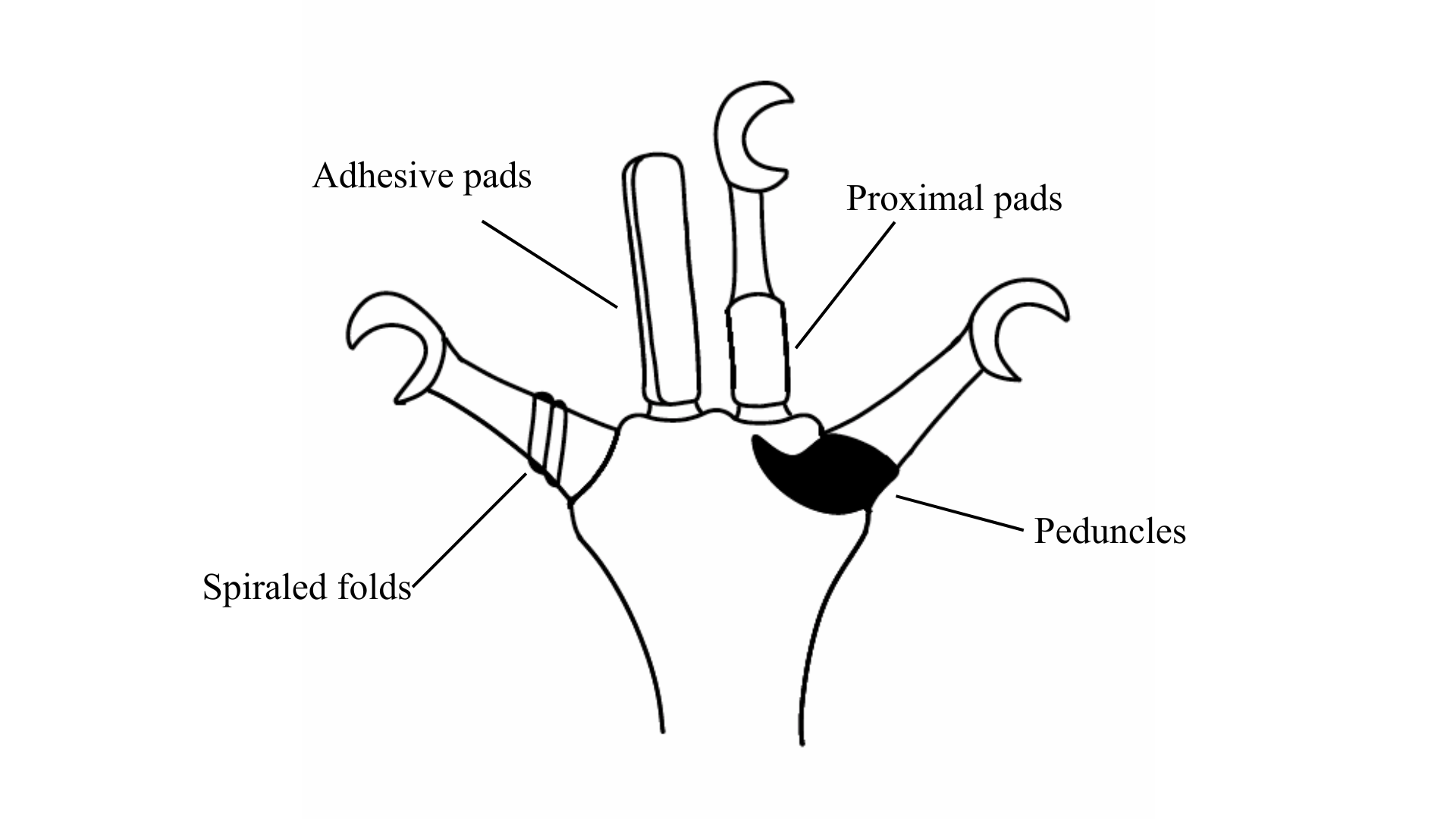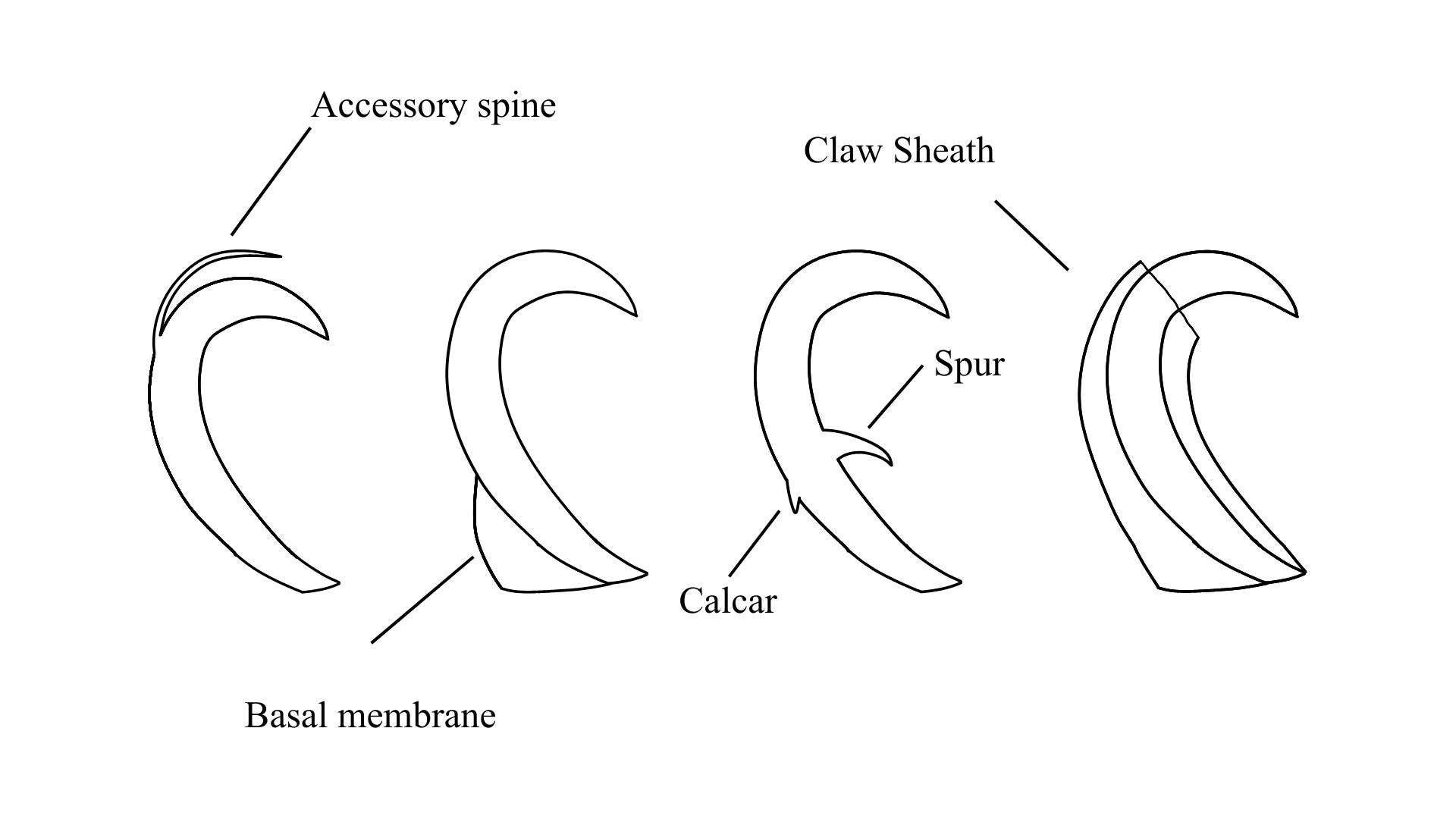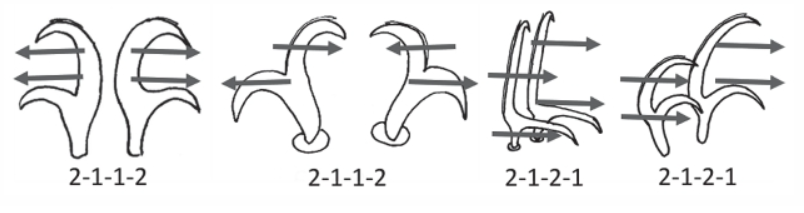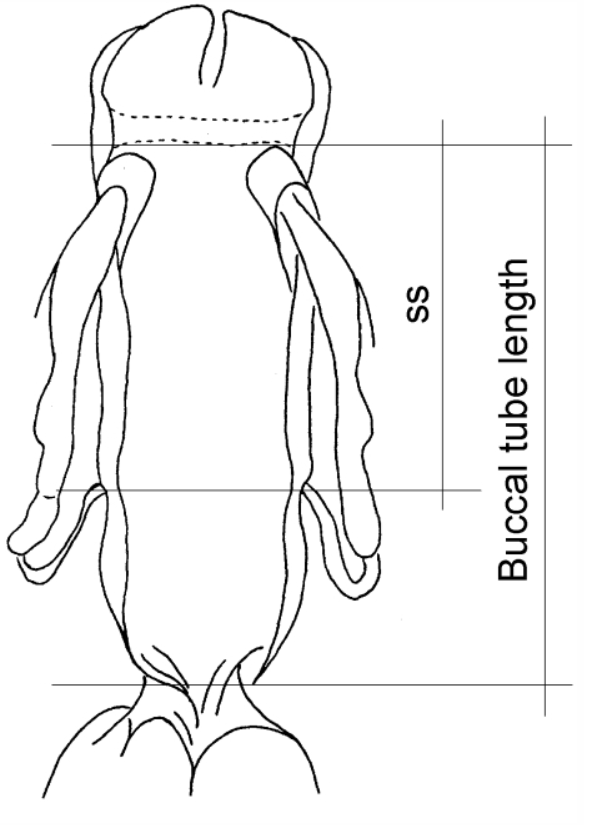

Genus description from Stec et al. 2021: “Large and whitish Macrobiotidae with: (i) poreless cuticle, (ii) mouth opening surrounded by ten peribuccal lamellae, (iii) buccal apparatus of the Macrobiotus type, with a wide rigid buccal tube and a well-developed oral cavity armature (all three bands of teeth clearly visible in LCM, anterior teeth of the second band longitudinally elongated), (iv) two macroplacoids and a large microplacoid positioned close to them, (v) Y-shaped claws of the modified hufelandi type with lunules on each leg, (vi) ornamented eggs, laid freely, with areolation and conical processes without the labyrinthine layer that in many other macrobiotids is visible as reticulation in LCM.”
Genus description from Vecchi et al. 2022: “Large and whitish Macrobiotidae with: (i) a poreless cuticle, (ii) a wide rigid buccal tube with well-developed oral cavity armature (all three bands of teeth clearly visible in PCM, anterior teeth of the second band longitudinally elongated), (iii) two macroplacoids and a large microplacoid positioned close to them in the pharynx, (iv) Y-shaped claws of the Macrobiotus type with lunules on each leg, (v) ornamented eggs, laid freely, with areolation and conical processes with or without the labyrinthine layer.”


Citations:
Stec, D., Vecchi, M., Calhim, S. & Michalczyk, Ł. (2021) New multilocus phylogeny reorganises the family Macrobiotidae (Eutardigrada) and unveils complex morphological evolution of the Macrobiotus hufelandi group. Molecular Phylogenetics and Evolution, 160: 106987
Vecchi, M., Choong, H. & Calhim, S. (2022) Sisubiotus hakaiensis sp. nov. (Tardigrada, Macrobiotidae), a new tardigrade species from Calvert Island (British Columbia, Canada). European Journal of Taxonomy, 823, 64–81.