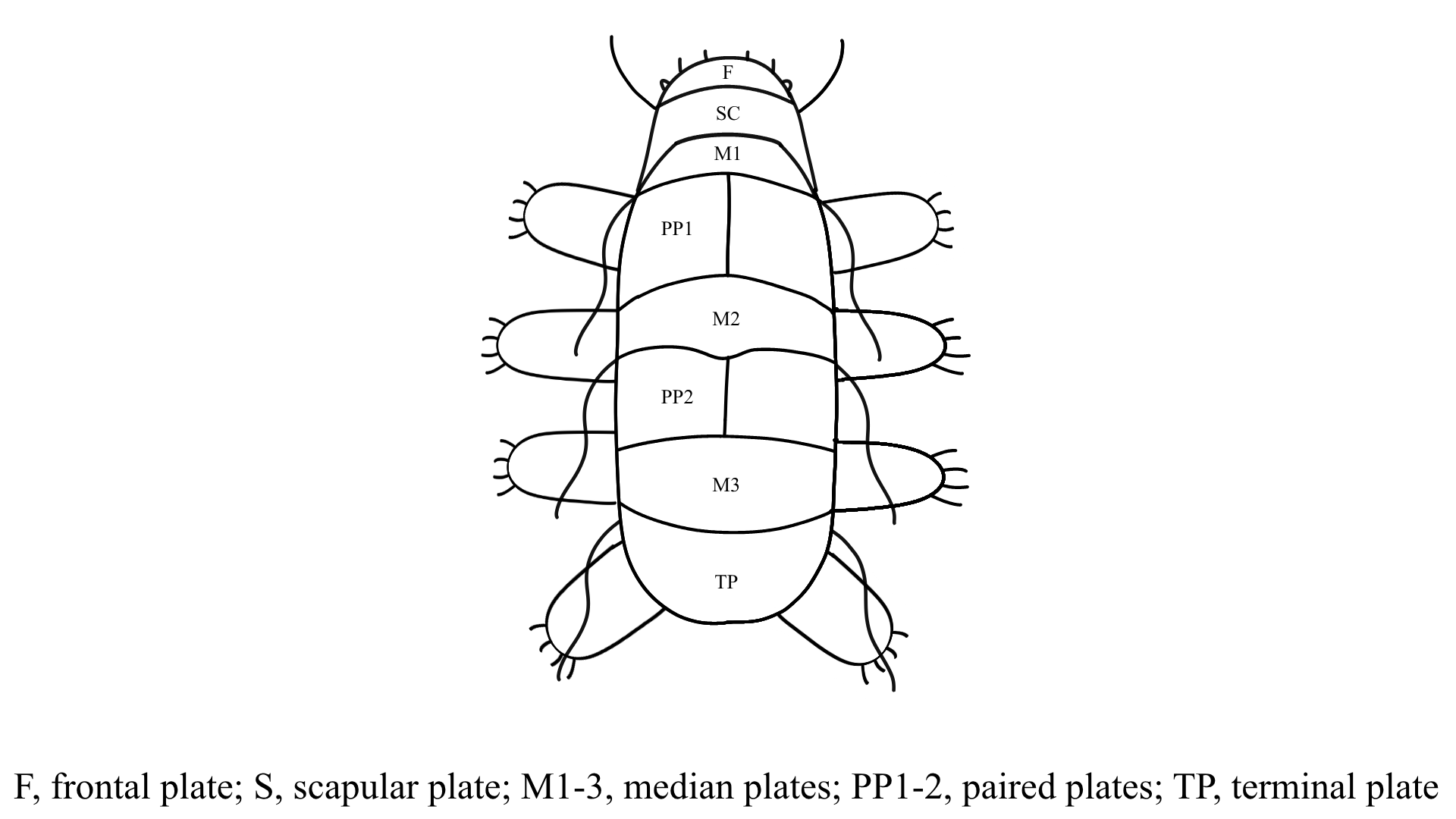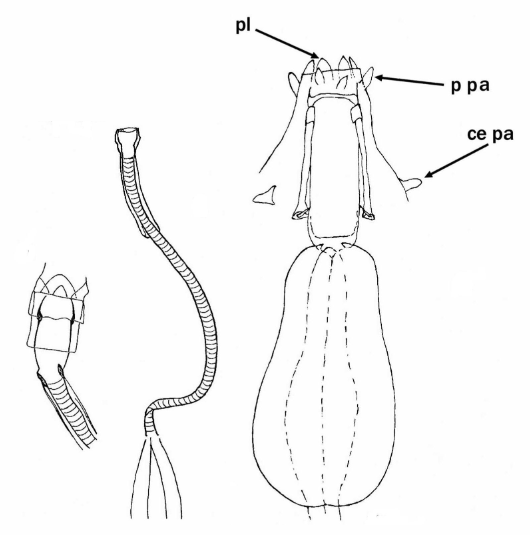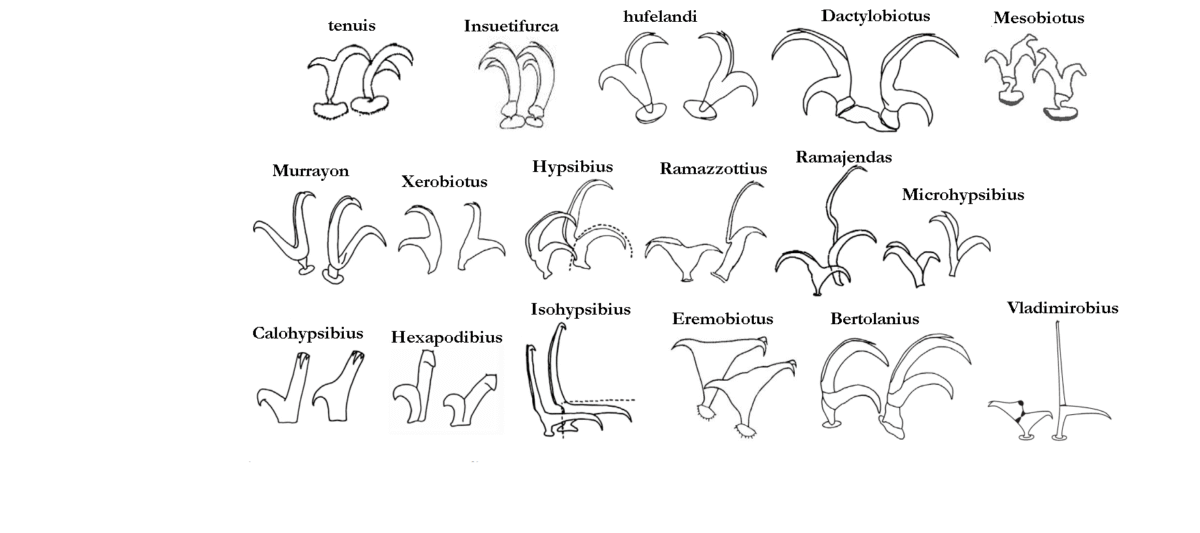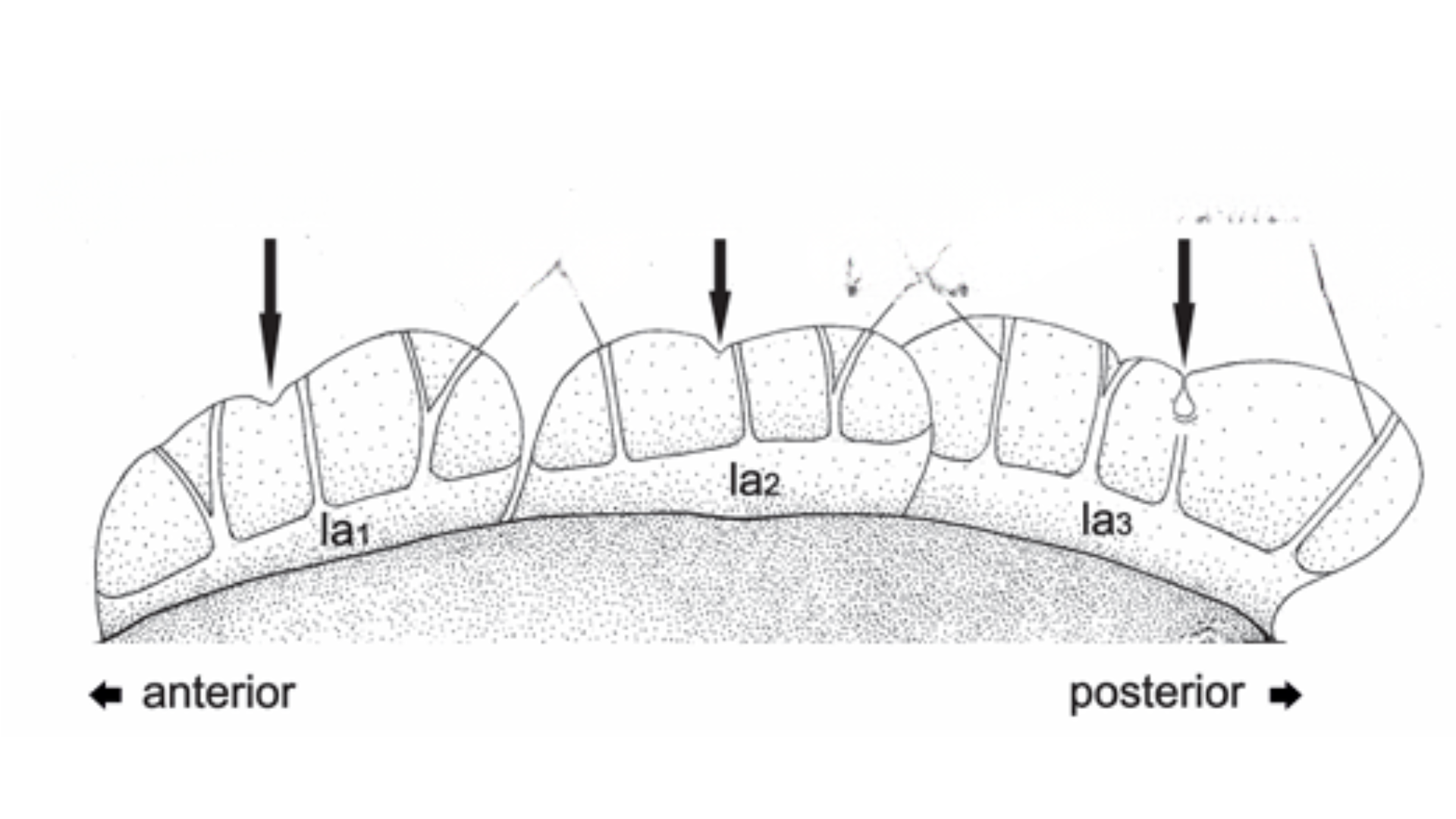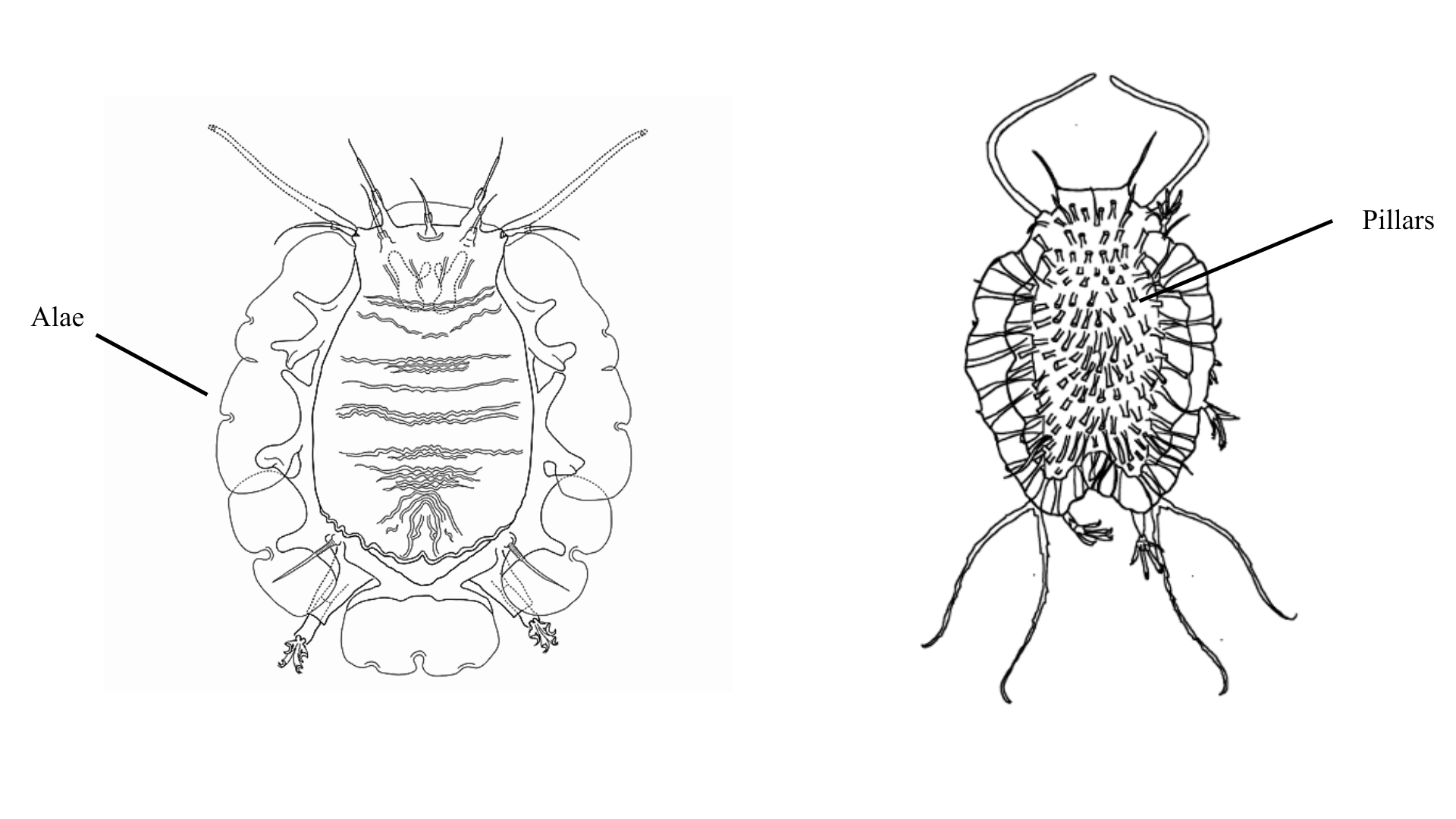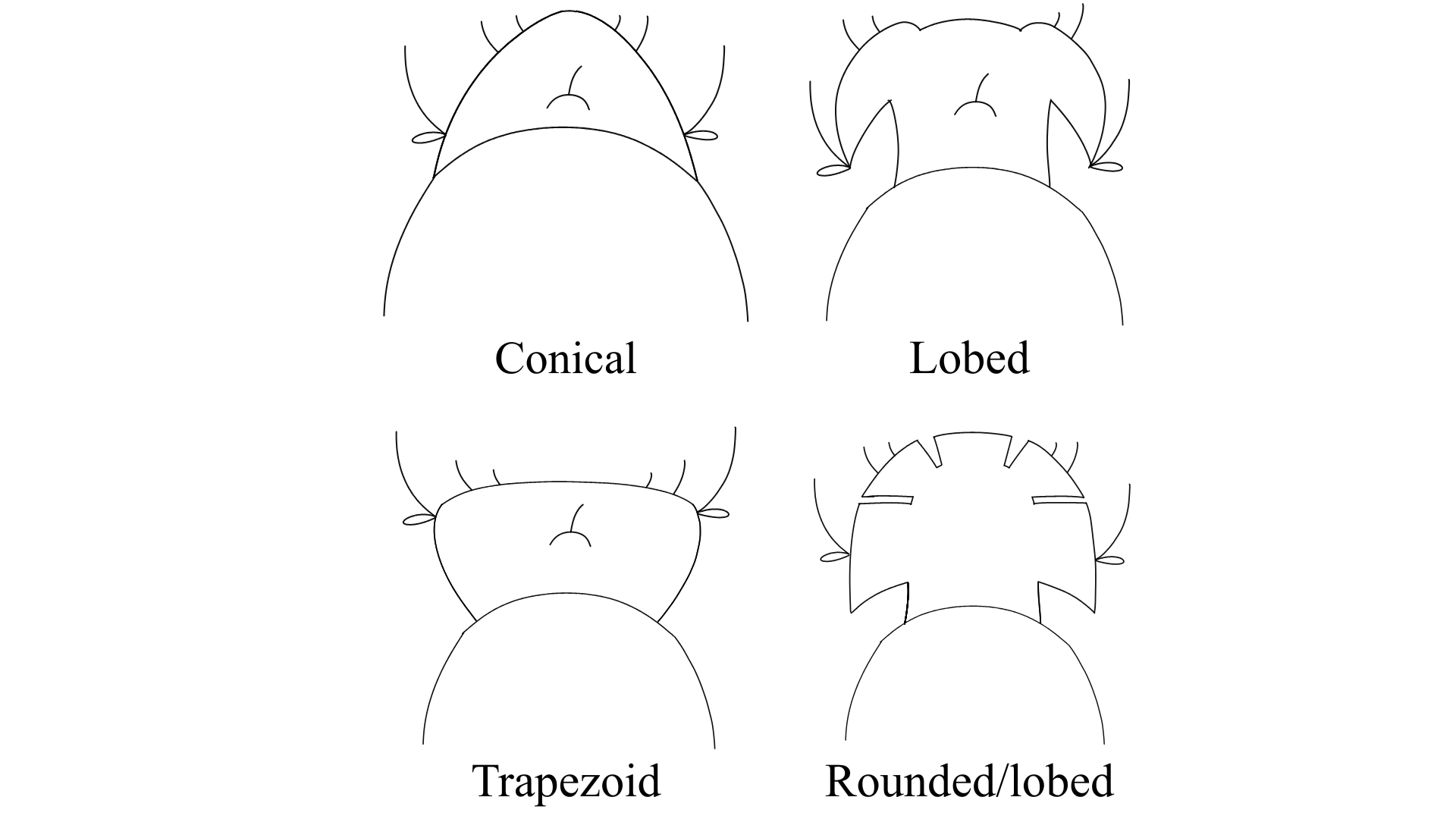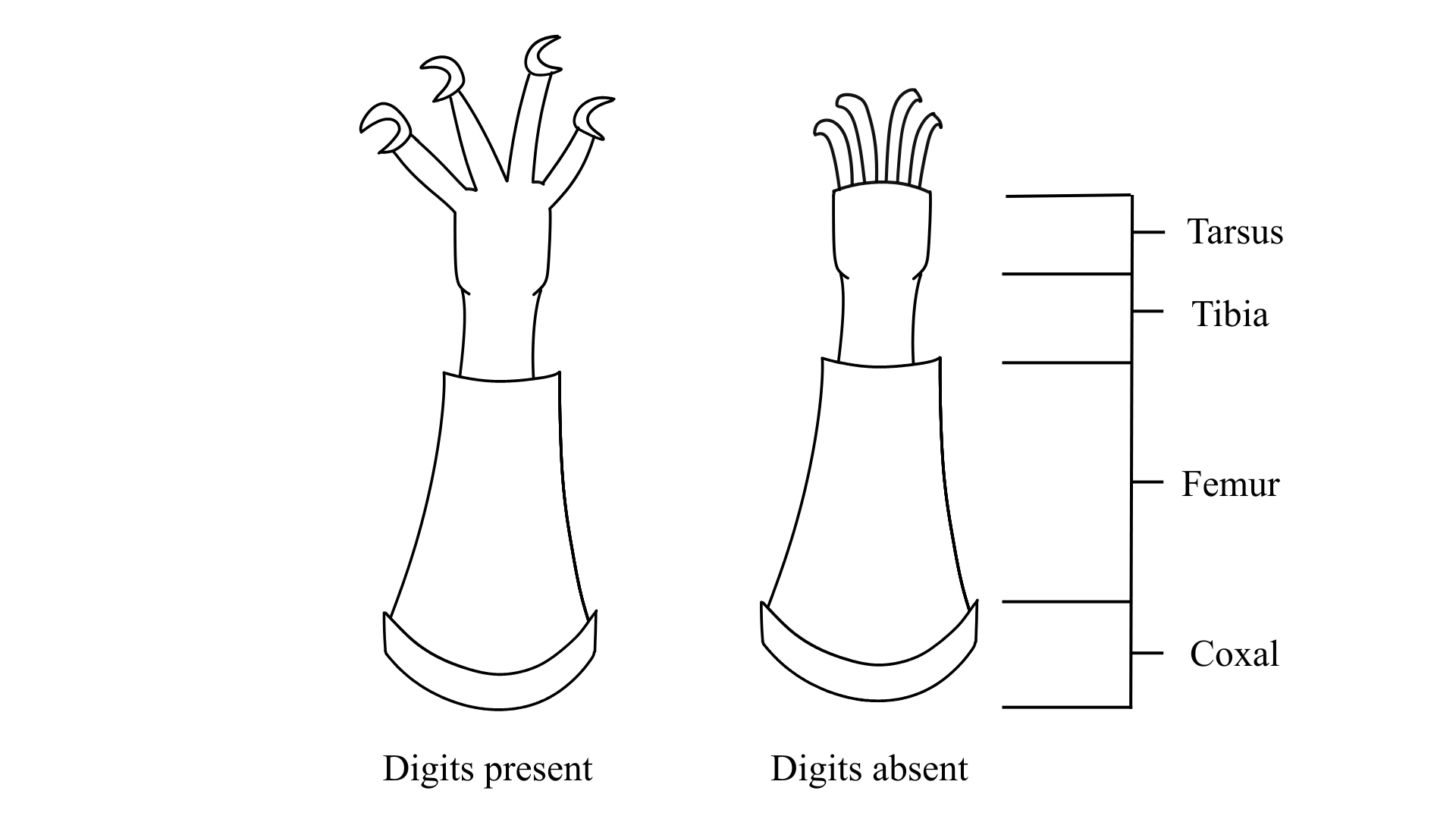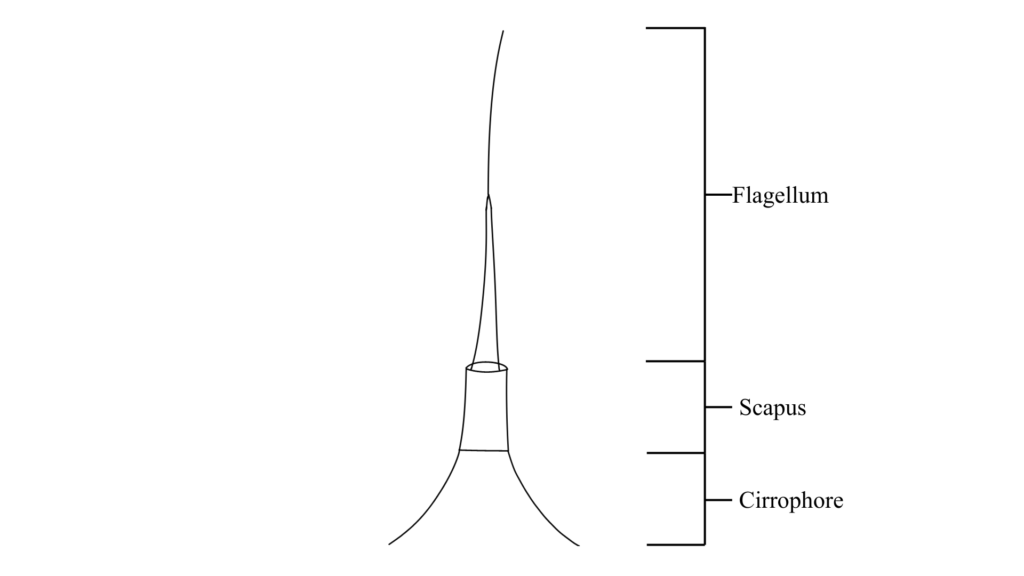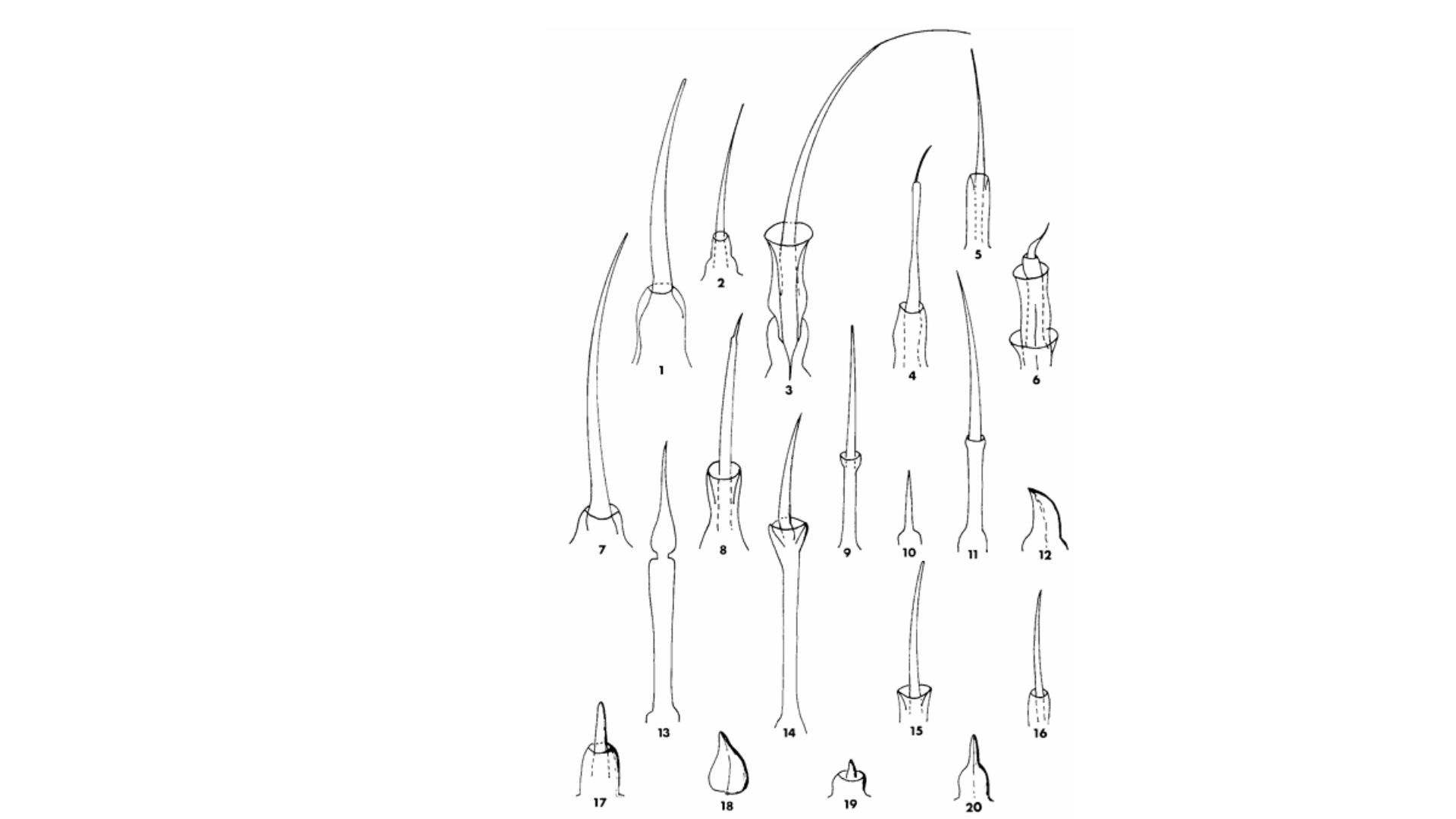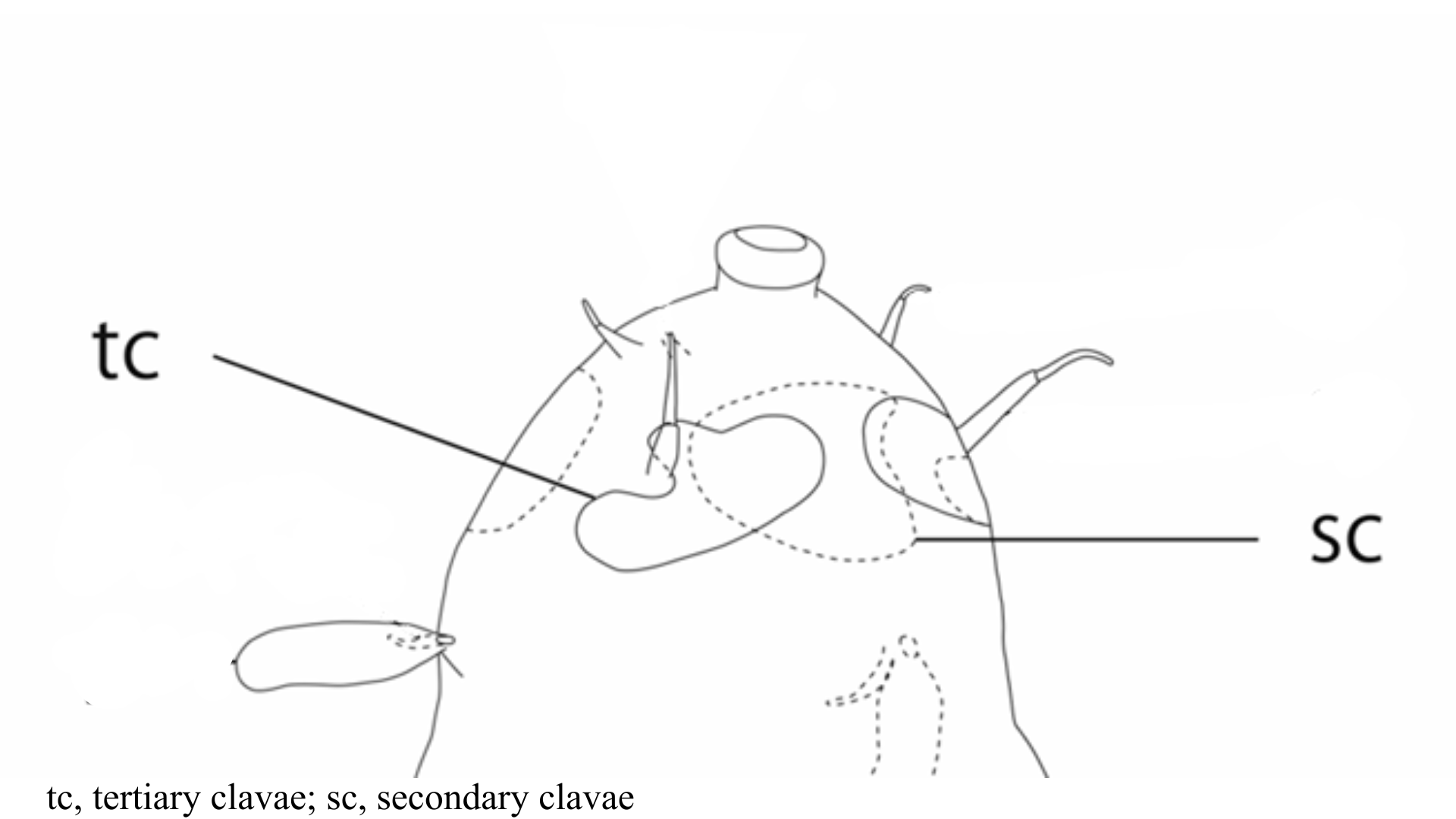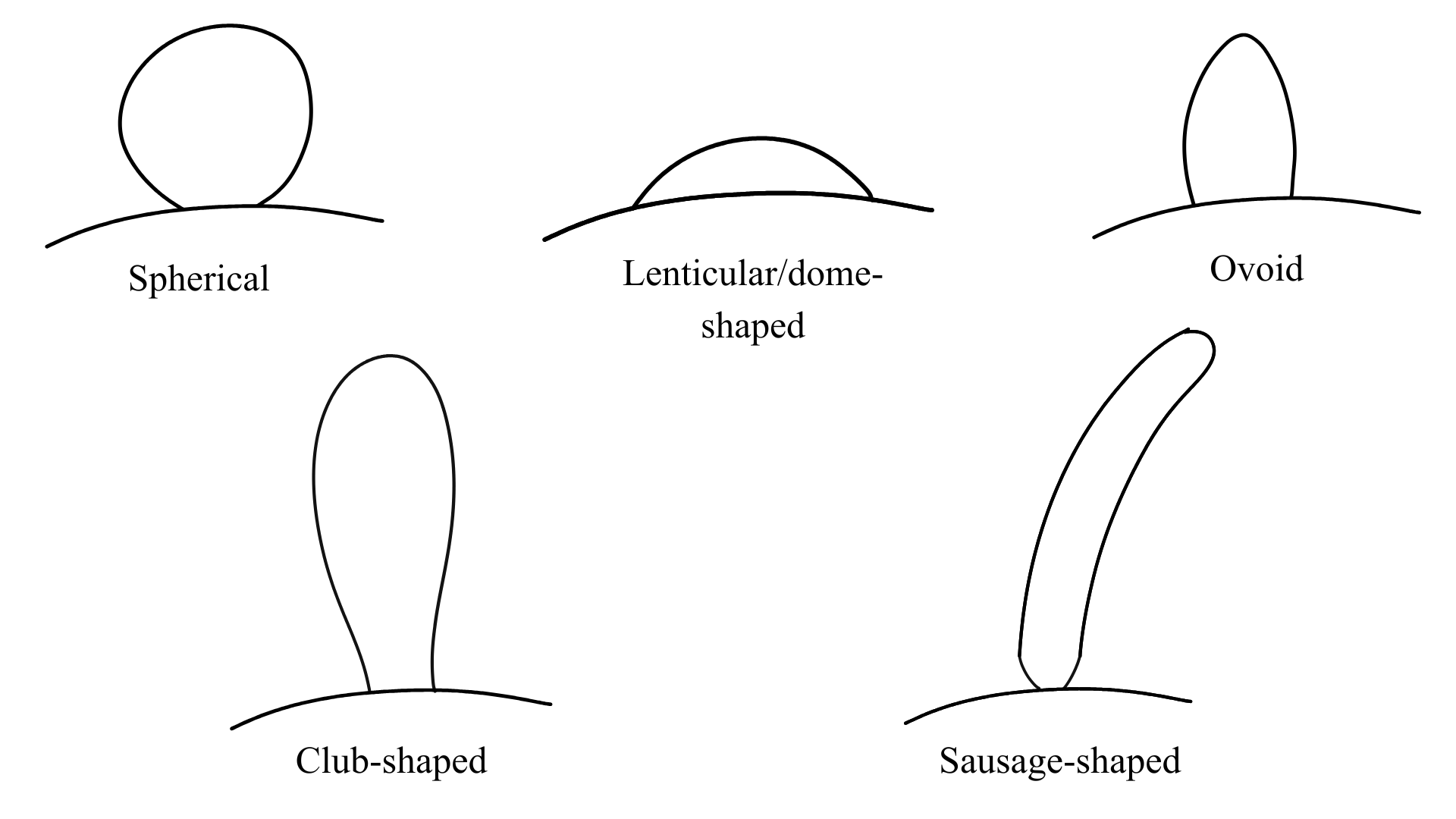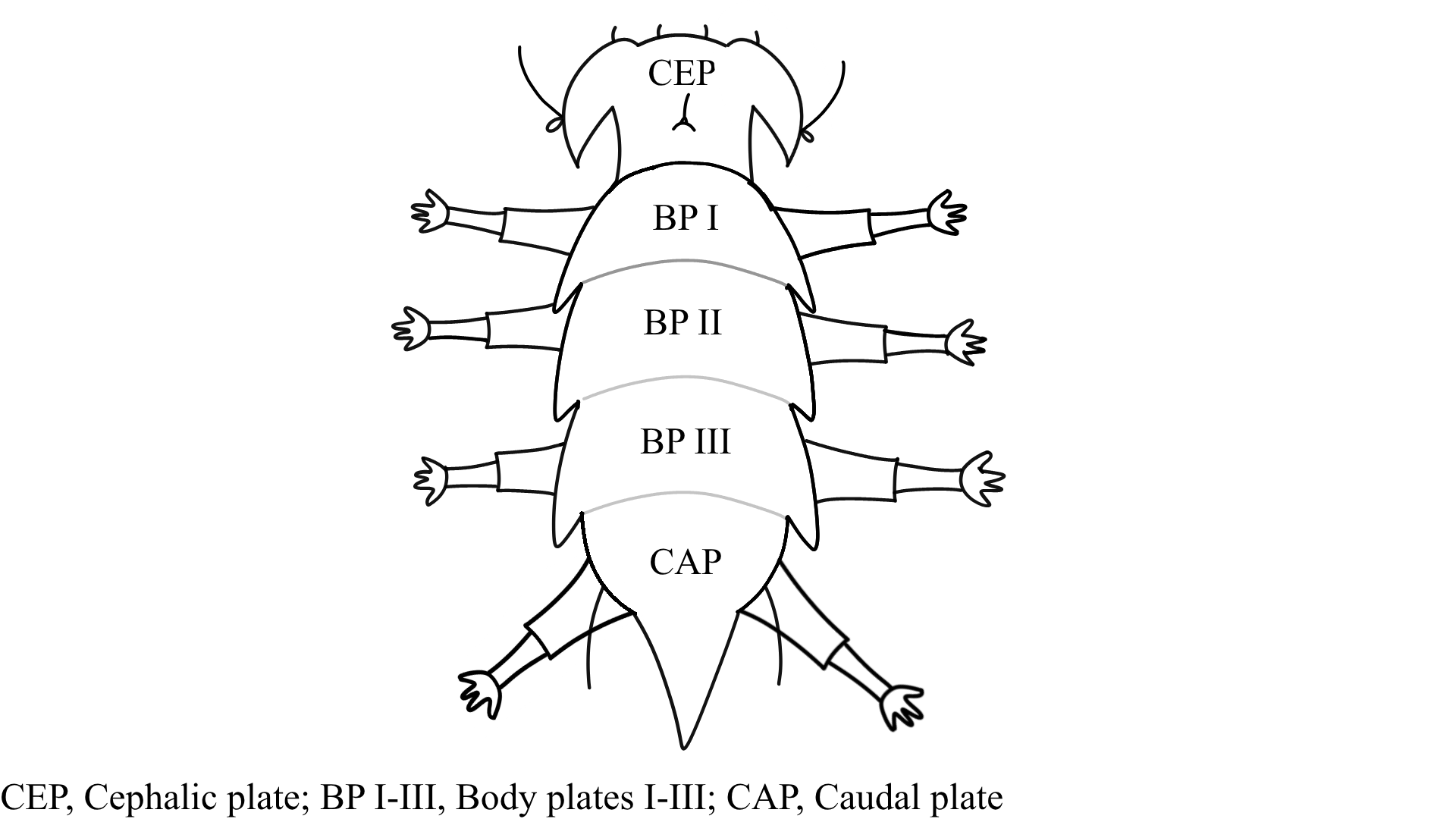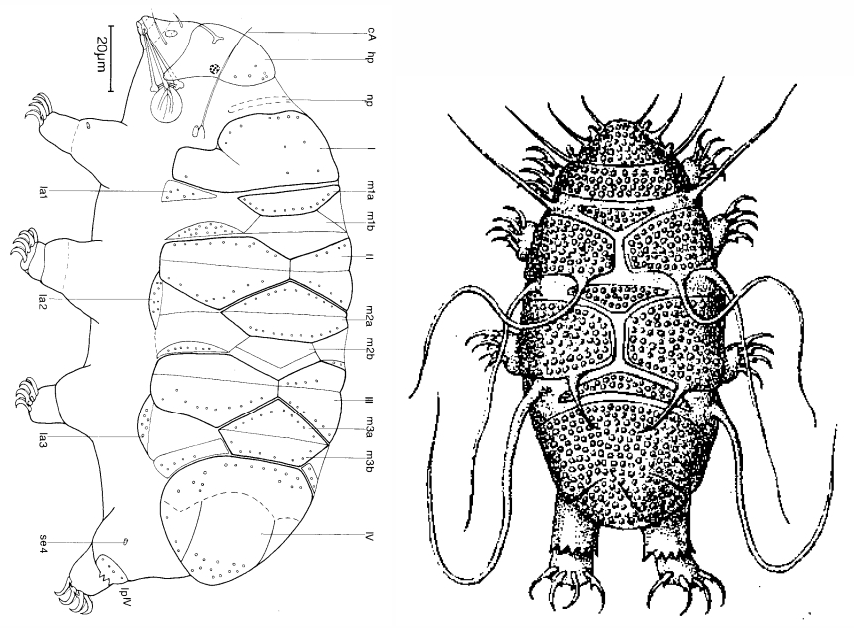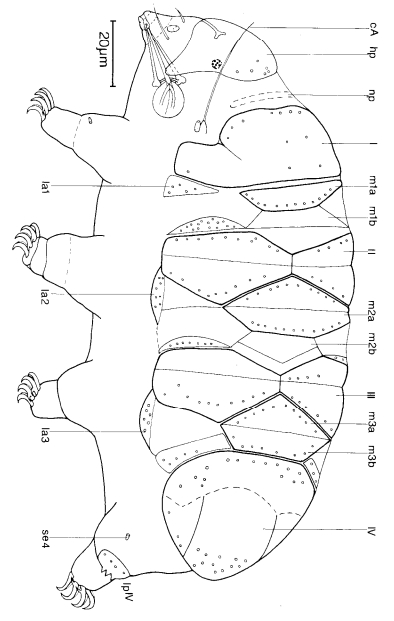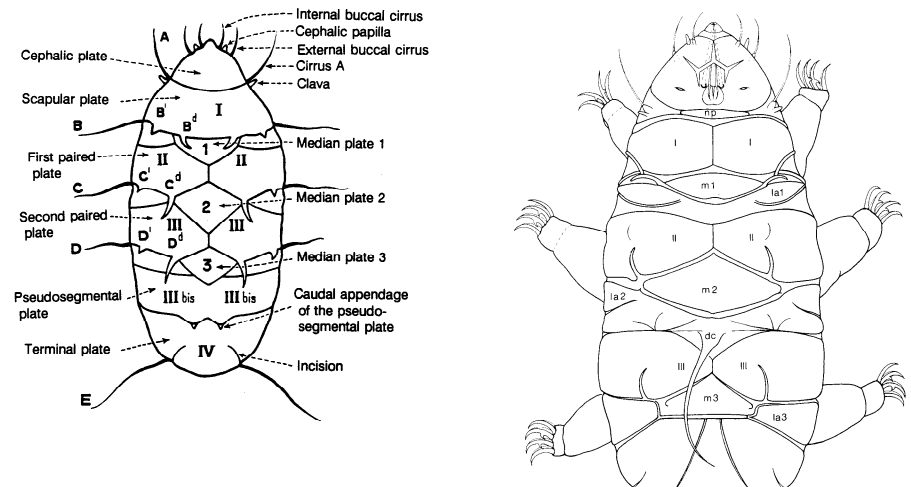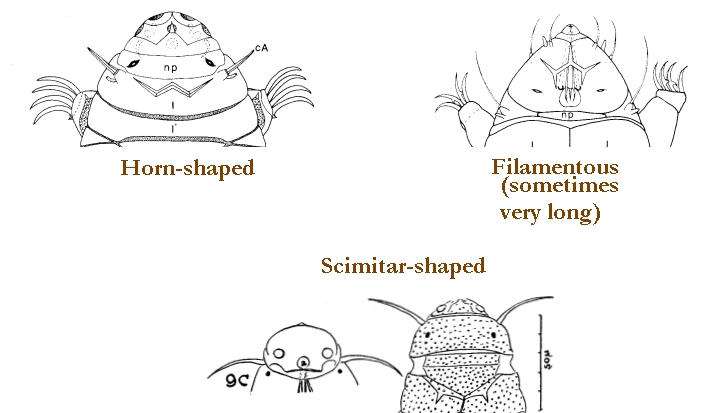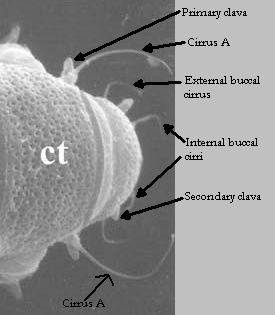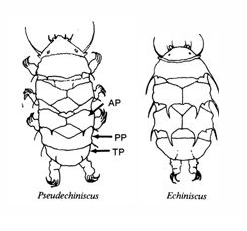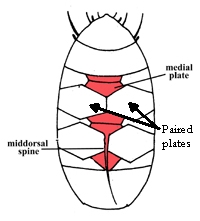

Genus description from Fujimoto & Yamasaki 2017: “Renaudarctidae with punctate dorsal cuticle; dorsal plates consist of cephalic plate, intersegmental plate I, subdivided dorsal segmental plate I, two subdivided intersegmental plates II, subdivided dorsal segmental plate II, two subdivided intersegmental plates III, subdivided dorsal segmental plate III, two subdivided intersegmental plates IV and caudal plate; dorsal segmental plates I–III lack lateral processes; ventral plates consist of ventral segmental plate I, paired ventral segmental plates II and paired ventral segmental plates III; acute caudal spike present; paired, short, acute processes present at level of gonopore; cephalic cirri each consisting of scapus and tapering flagellum; external cirri each inserted on small lobe; club-shaped primary clavae present; sensory plates (including fused secondary clavae) cover most of area of ventral cephalic region, each with indentation in anterior portion; leg plates absent; legs I–III of adults terminate in four wrinkled digits, each with hook-shaped, single-pointed claw and flexible accessory filament; papillae situated interior to digits on legs I–III; short spikes on exterior side of legs I–III; legs IV terminate in two wrinkled digits, each with hook-shaped claw and flexible accessory filament; basal spike and two dorsal swellings on leg IV; papillate leg IV sensory organ present; cirri E present; non-rosette female gonopore present; seminal receptacle ducts open ventrally near gonopore, run exteriorly and terminate in spherical vesicles.”

Citations:
Fujimoto, S. & Yamasaki, H. (2017) A new genus and species of Renaudarctidae (Heterotardigrada: Arthrotardigrada) from Ryukyu Archipelago, Japan. Marine Biology Research, 13(3): 288–299.