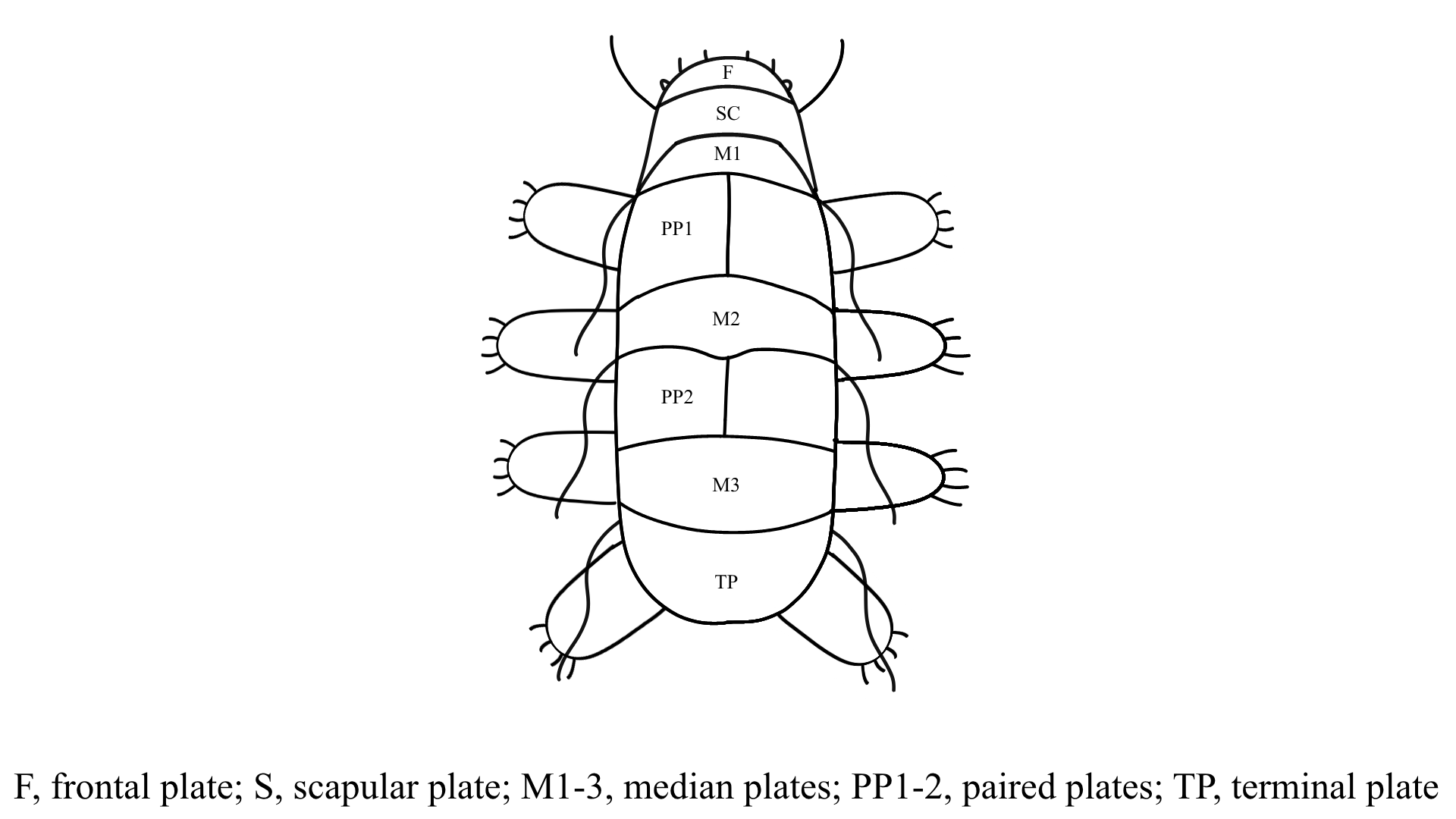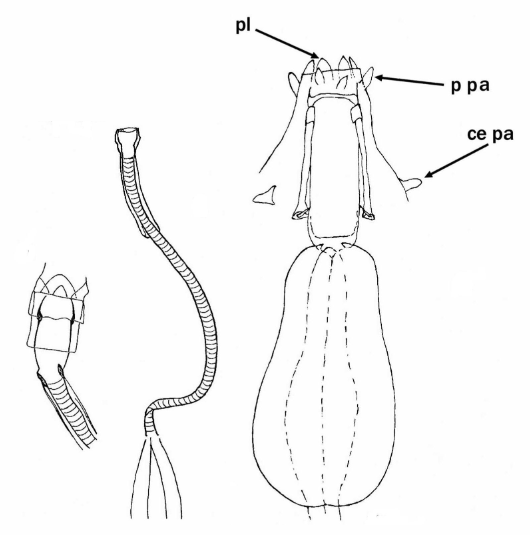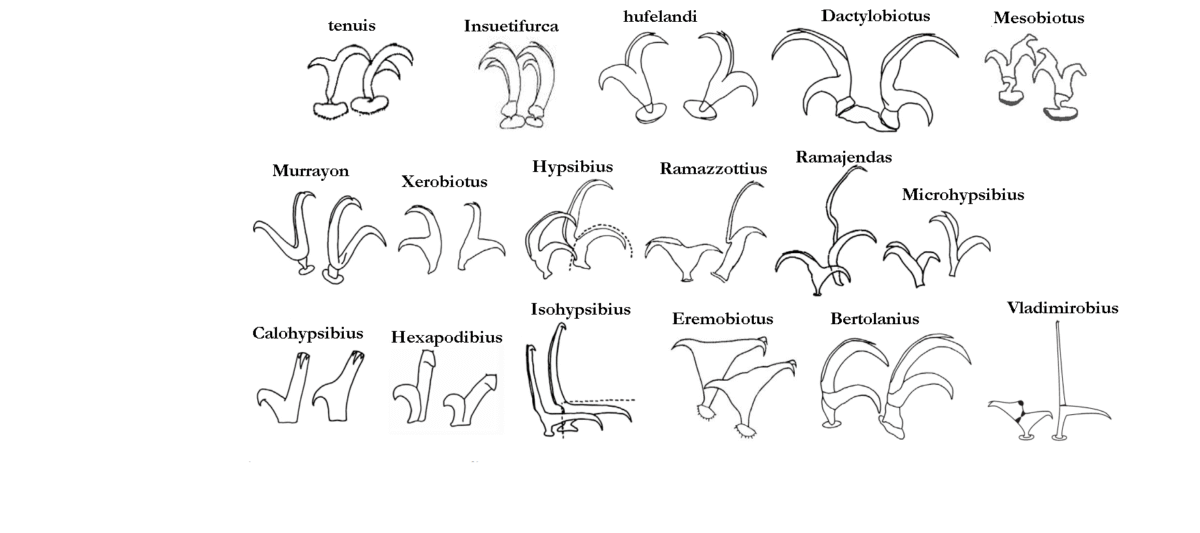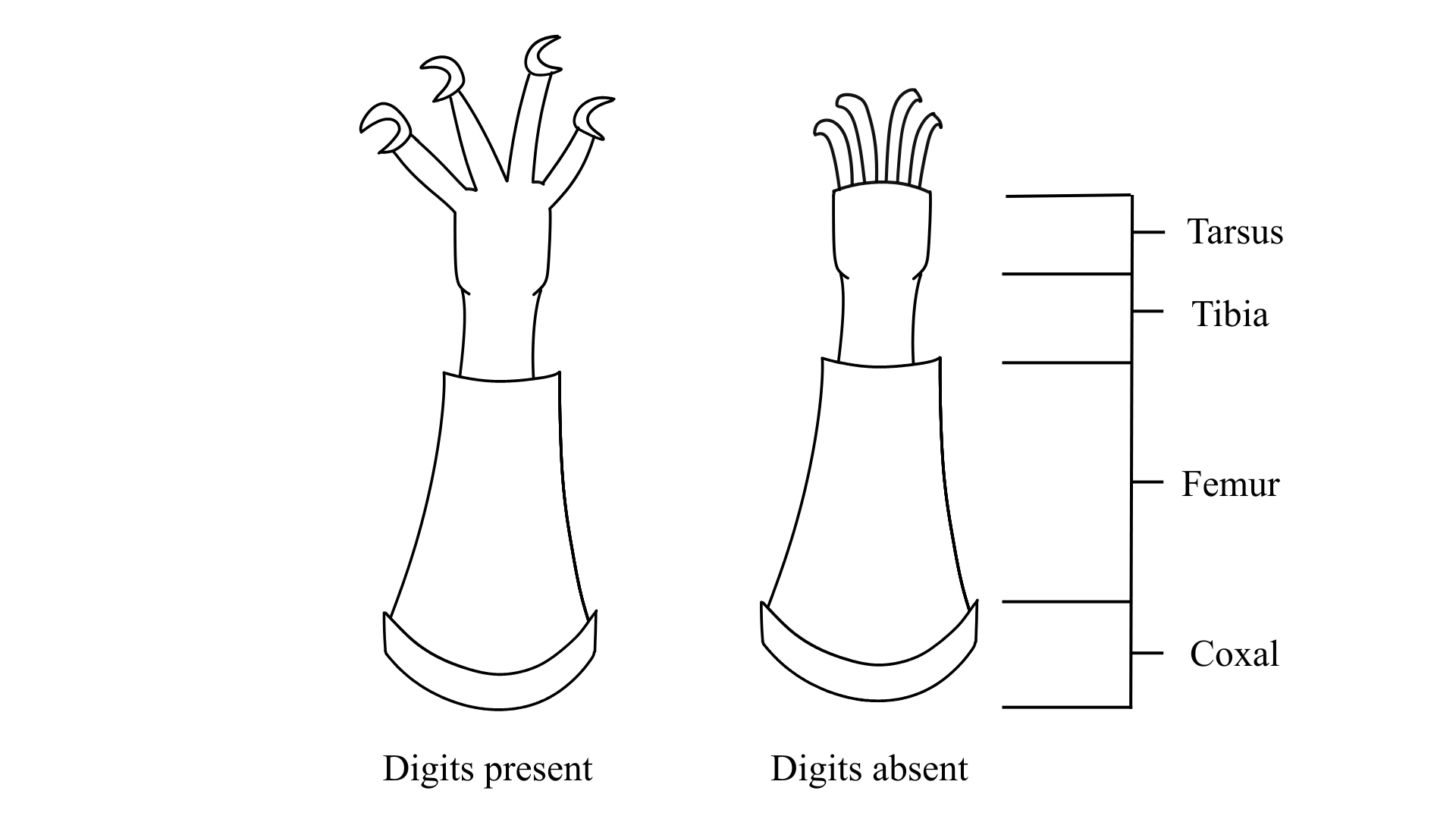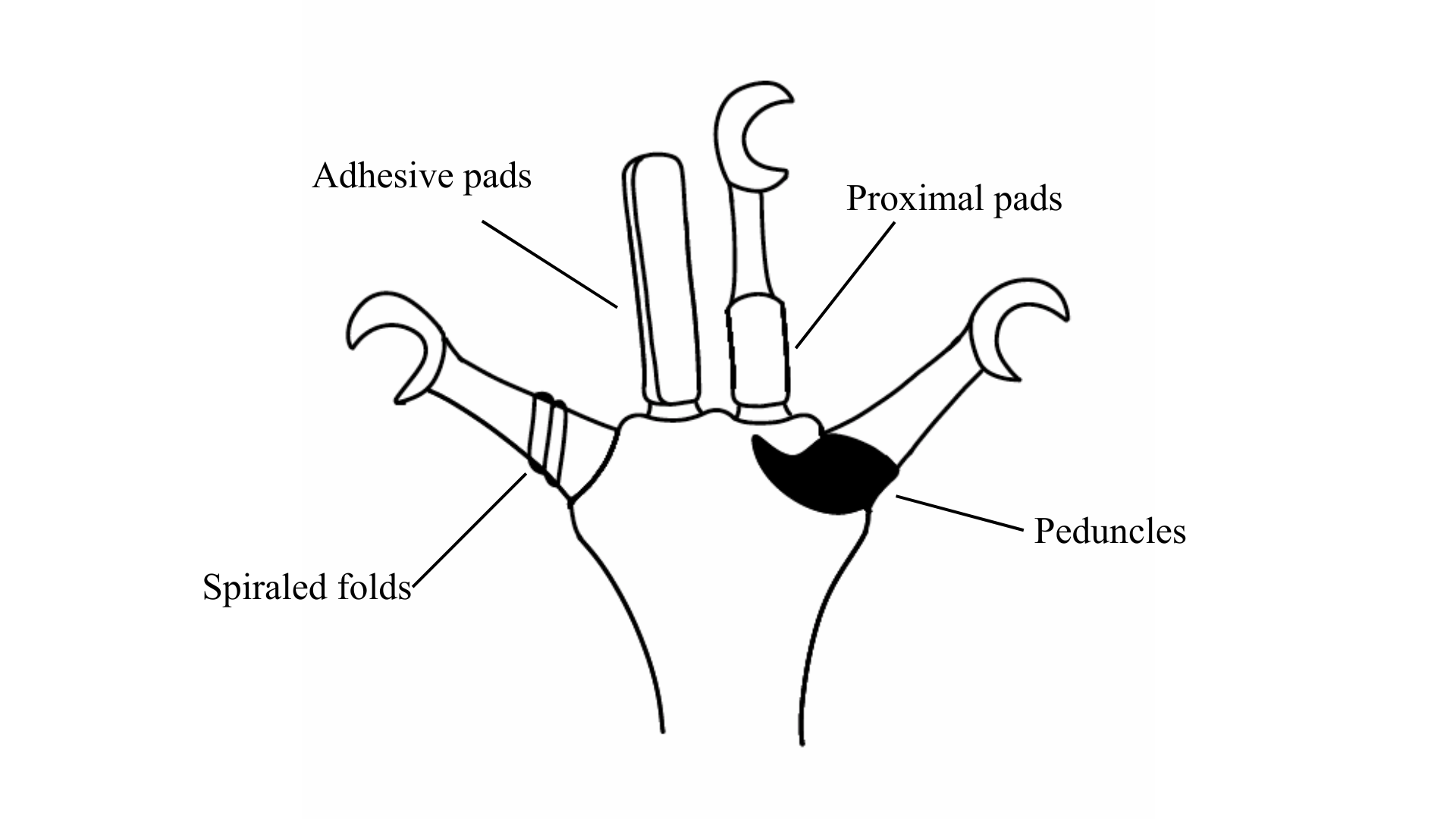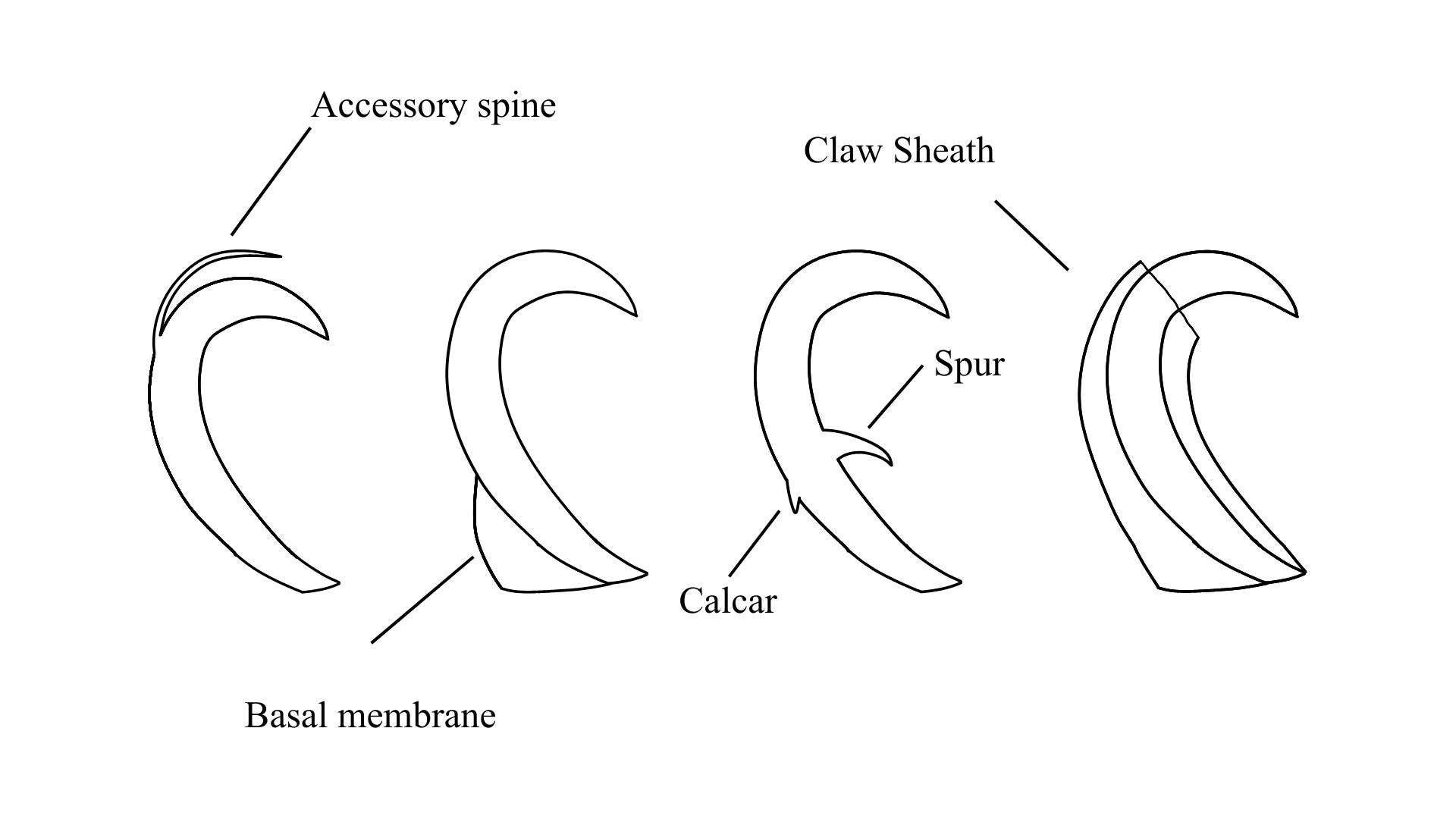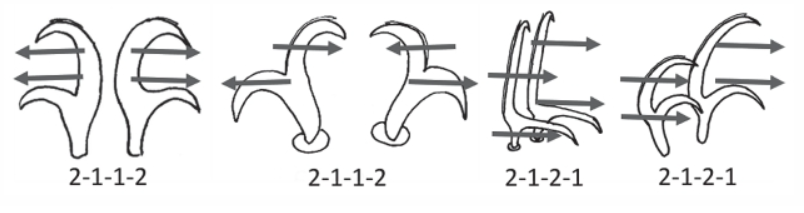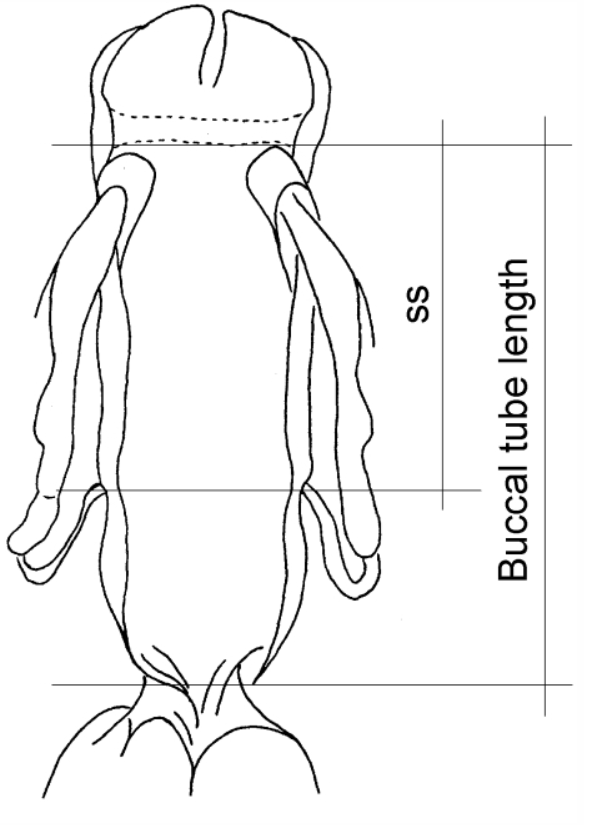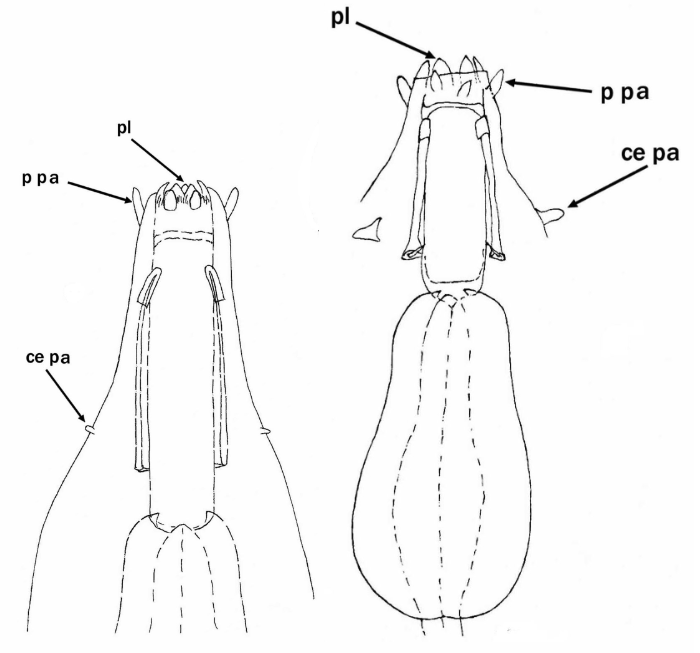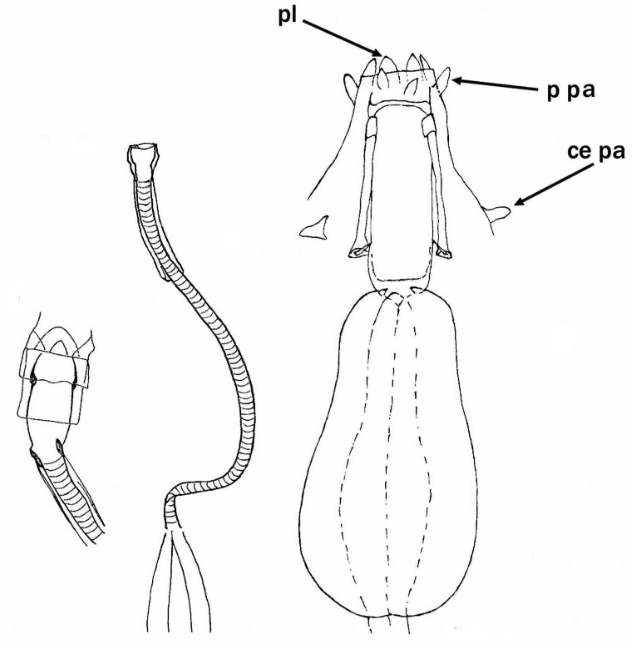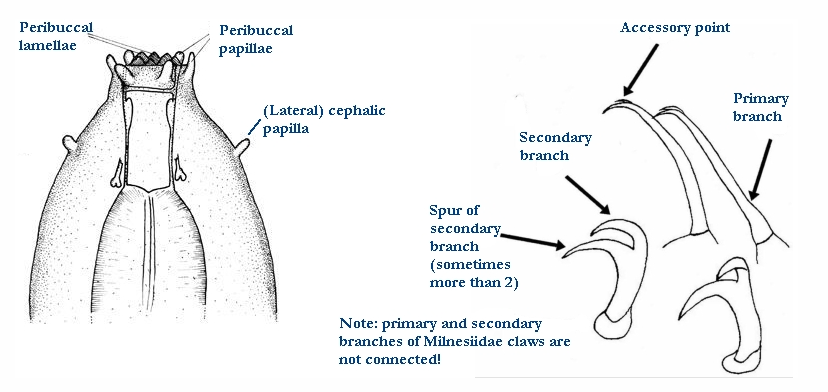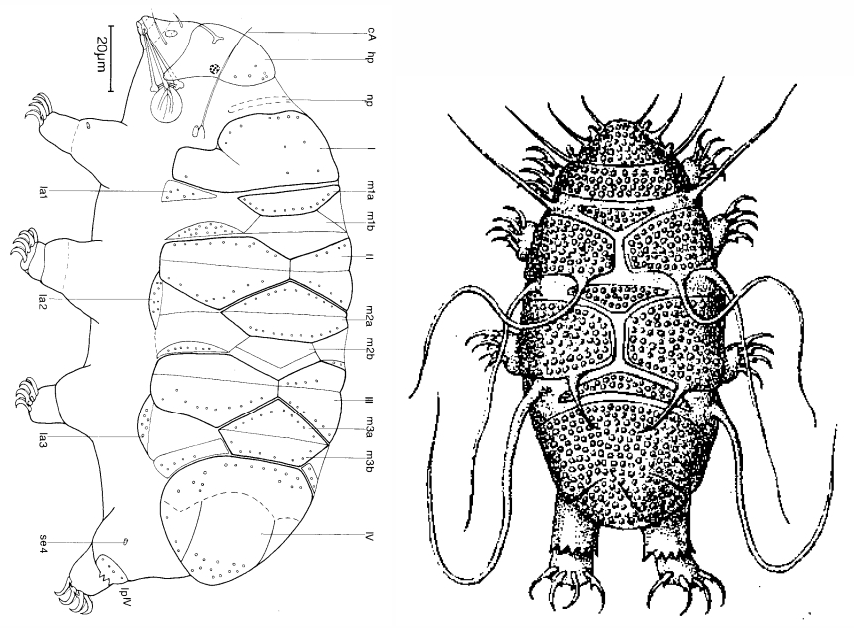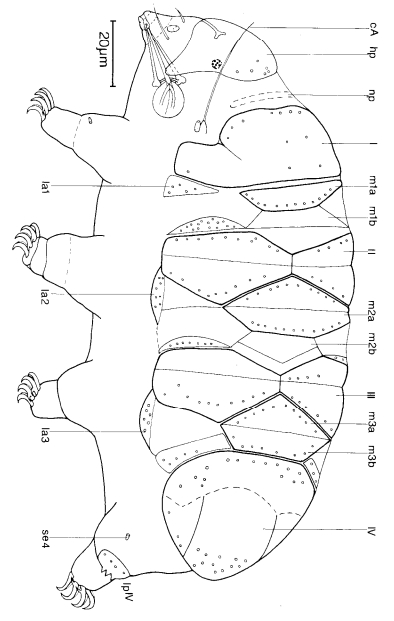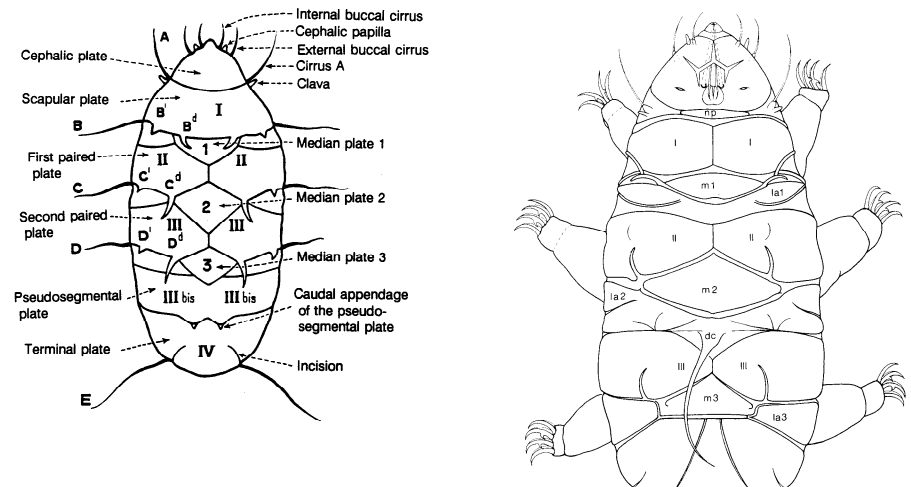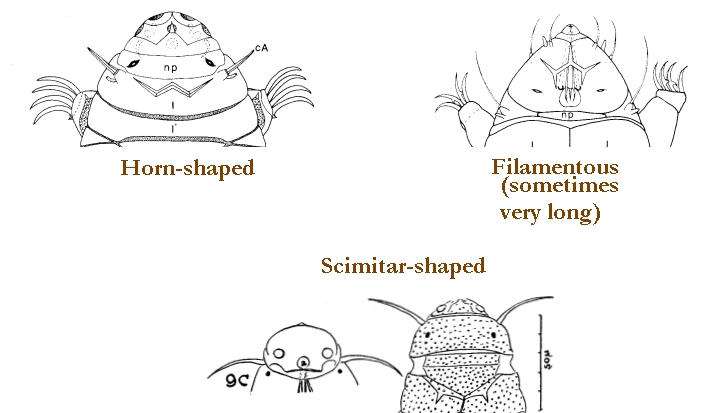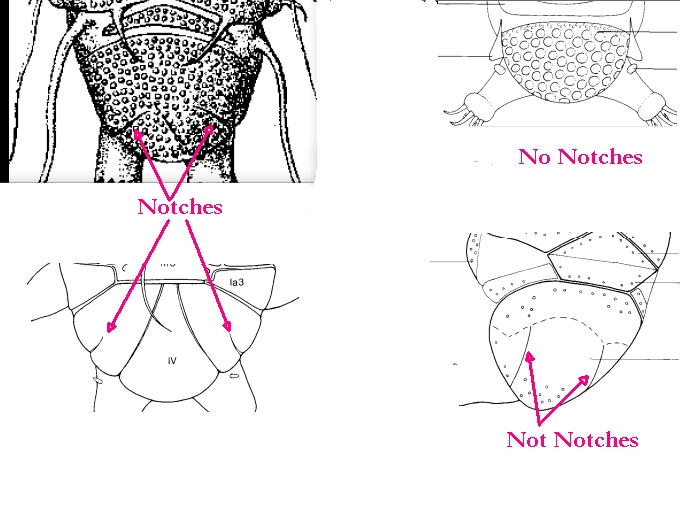

Genus description from Gąsiorek et al. 2024: “Cuticle smooth. The AISMs are in the shape of semi-lunar hooks. Buccal tube is followed by a flexible annulated pharyngeal tube; the pharyngeal annulation is semi-complex (annuli single laterally and forking dorsoventrally). A DABT is present. There is a spherical pharynx, with two macroplacoids and a septulum. Macroplacoids are arranged rhomboidally (◊). Claws are of the Hypsibius type, i.e. asymmetrical both with respect to the sequence of primary and secondary branches (2-1-2-1) and with respect to their size, with external and posterior claws always evidently larger than the internal and anterior claws. Pseudolunulae below claws I–IV may be present; only internal and posterior cuticular bars may be present.”


Citations:
Gąsiorek, P., Blagden, B., Morek, W. & Michalczyk, Ł. (2024) What is a ‘strong’ synapomorphy? Redescriptions of Murray’s type species and descriptions of new taxa challenge the systematics of Hypsibiidae (Eutardigrada: Parachela). Zoological Journal of the Linnean Society, zlad151, https://doi.org/10.1093/zoolinnean/zlad151