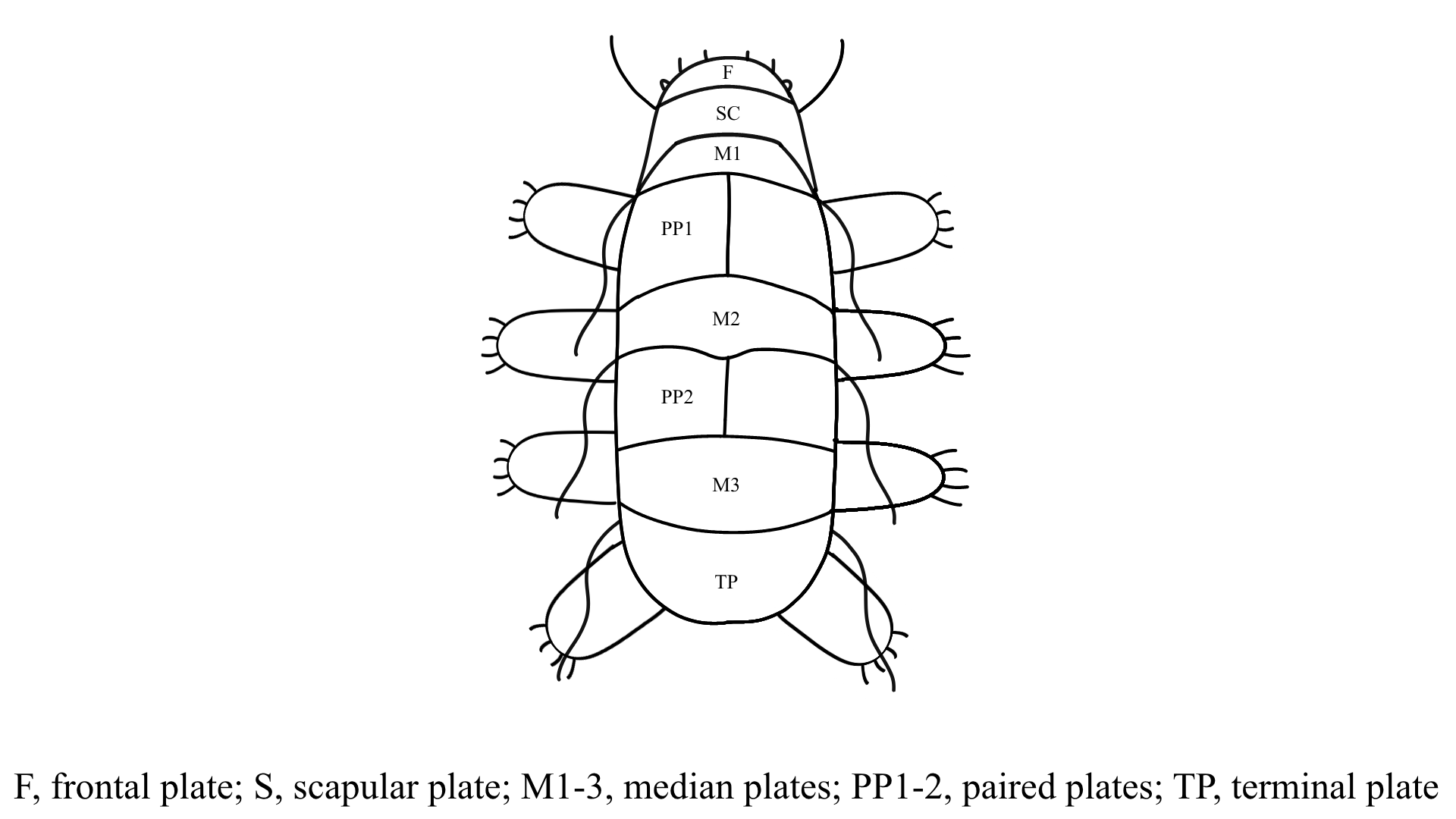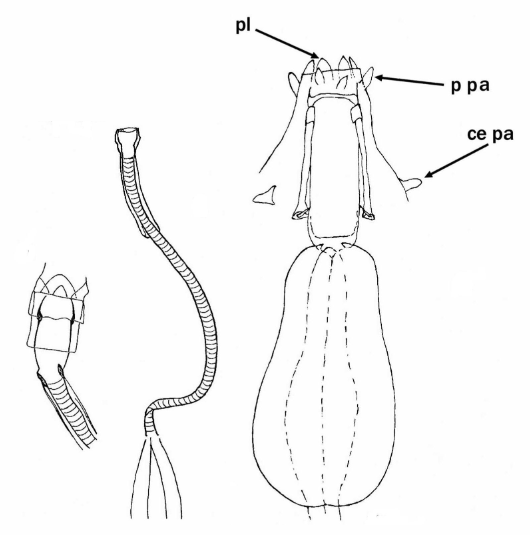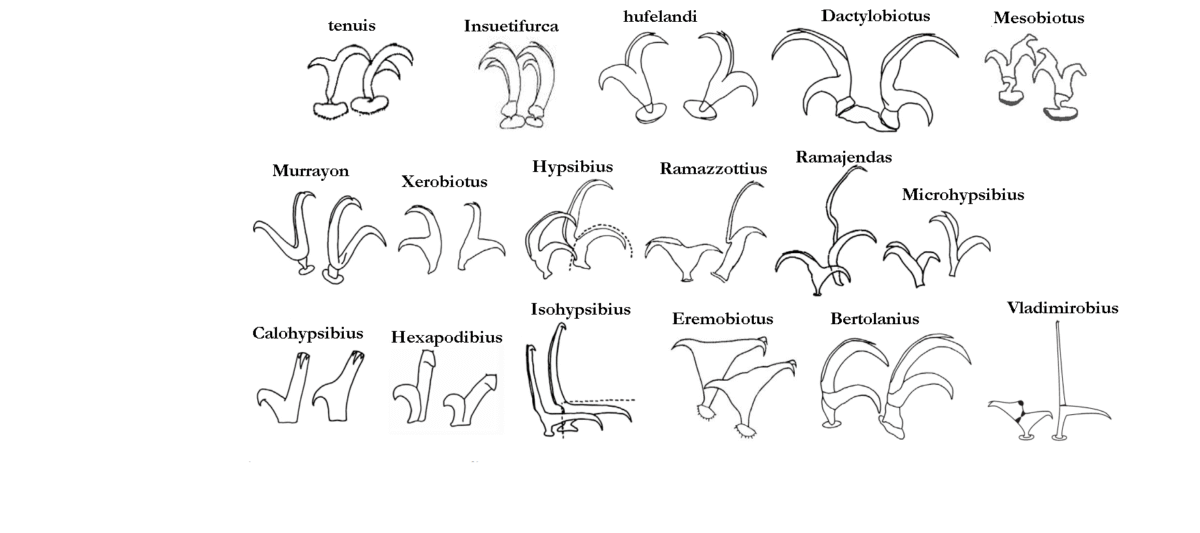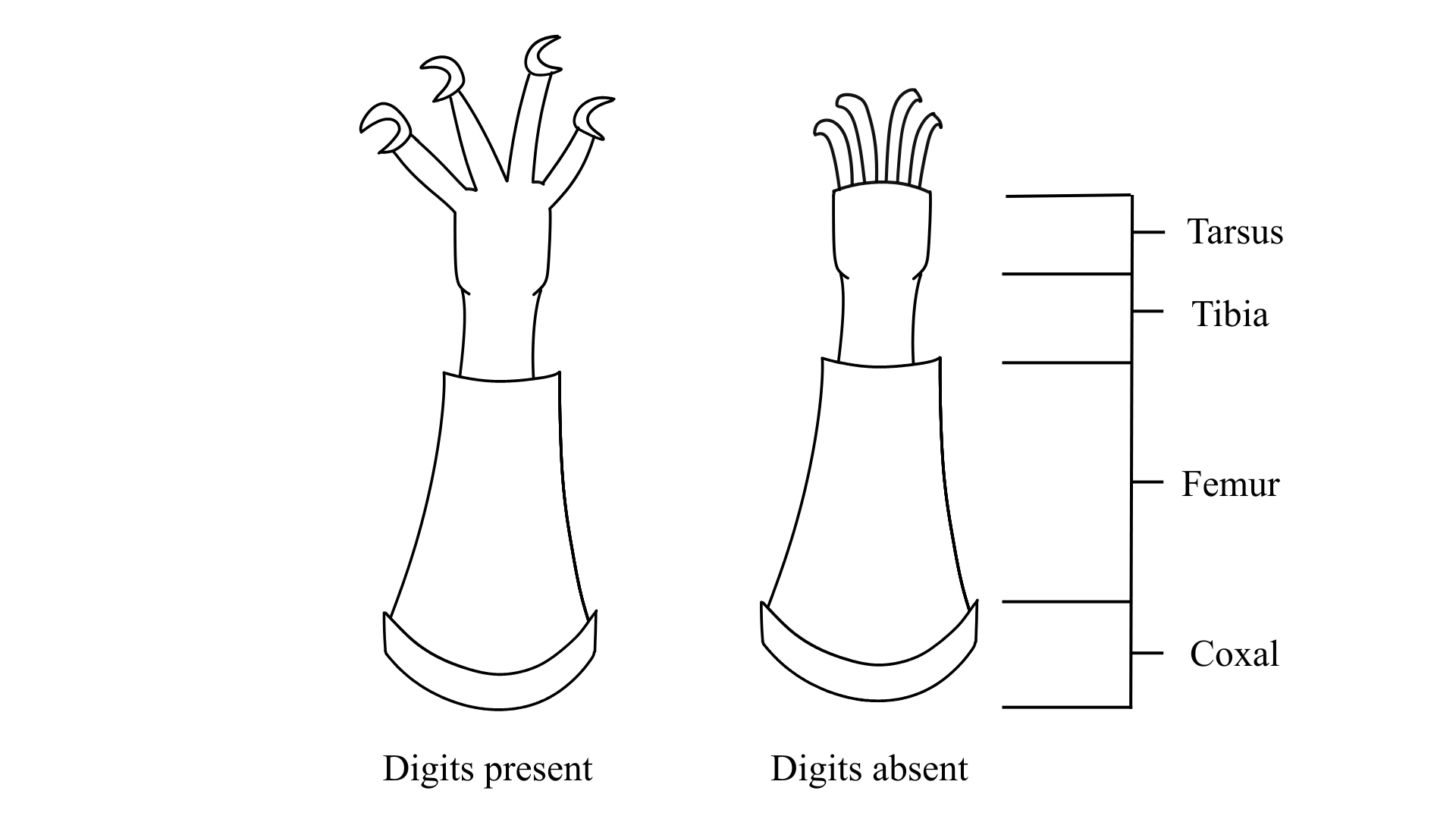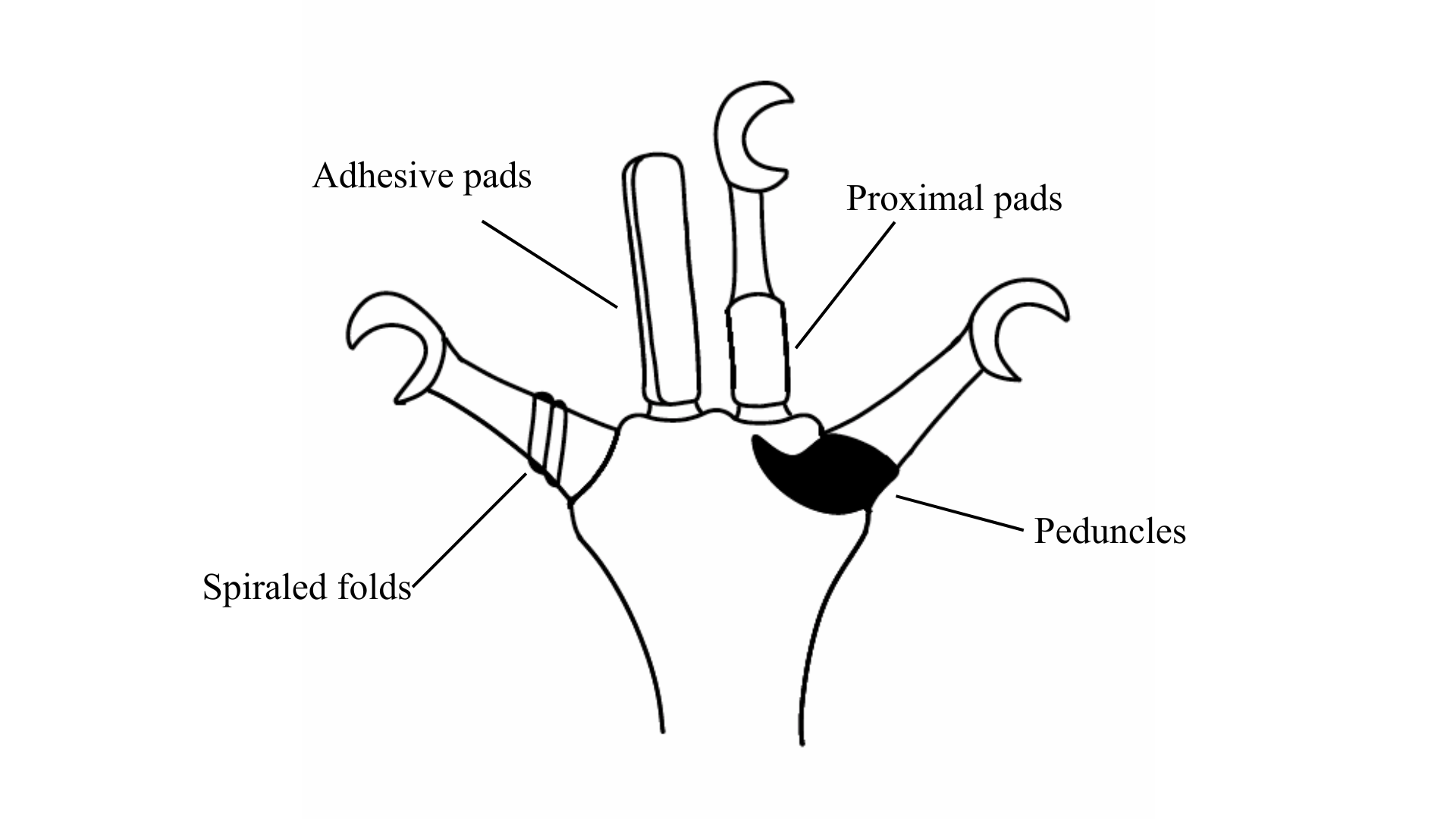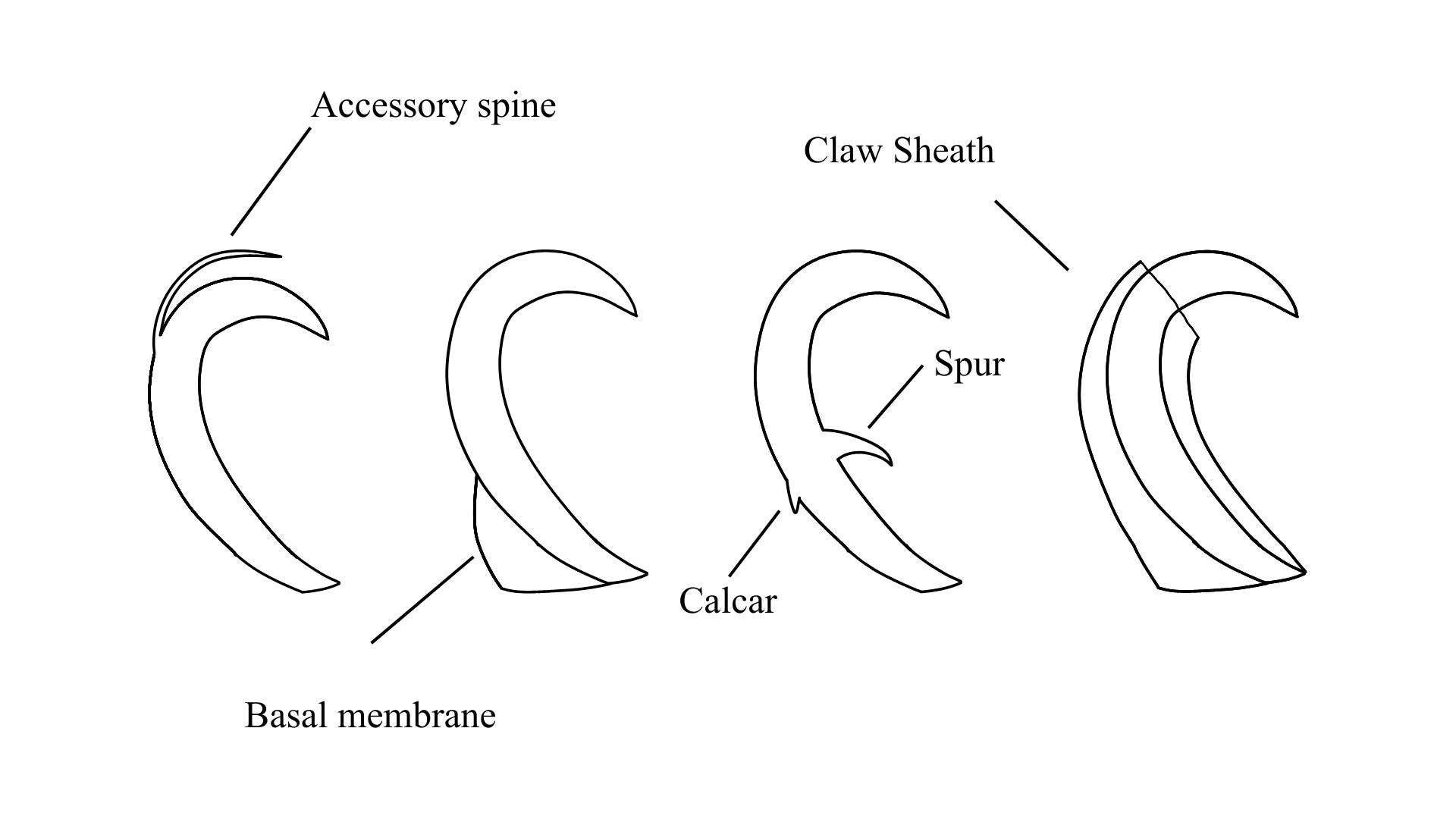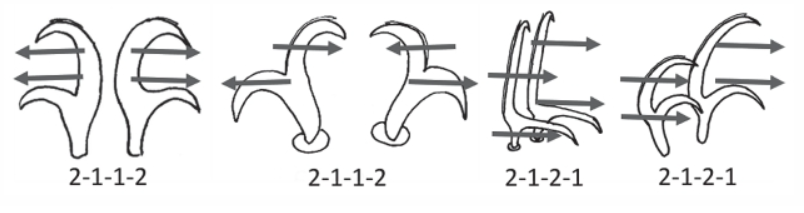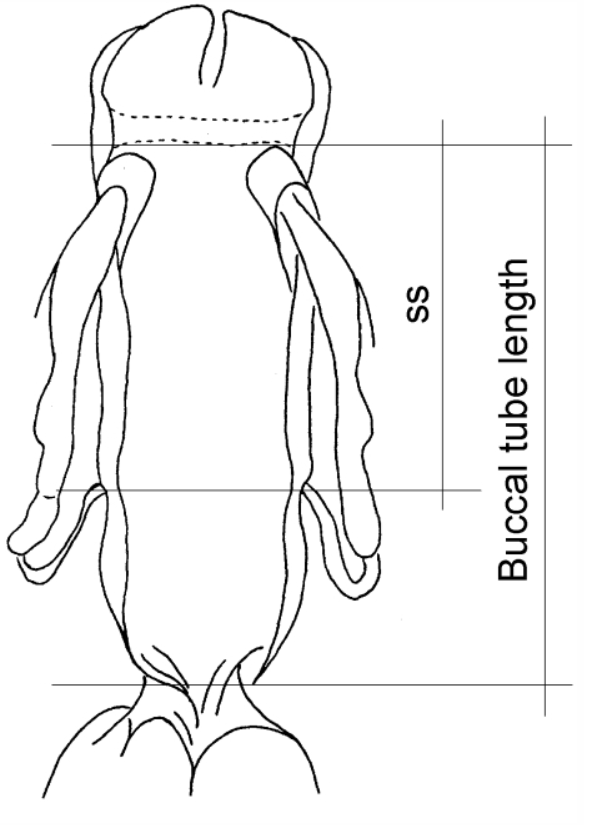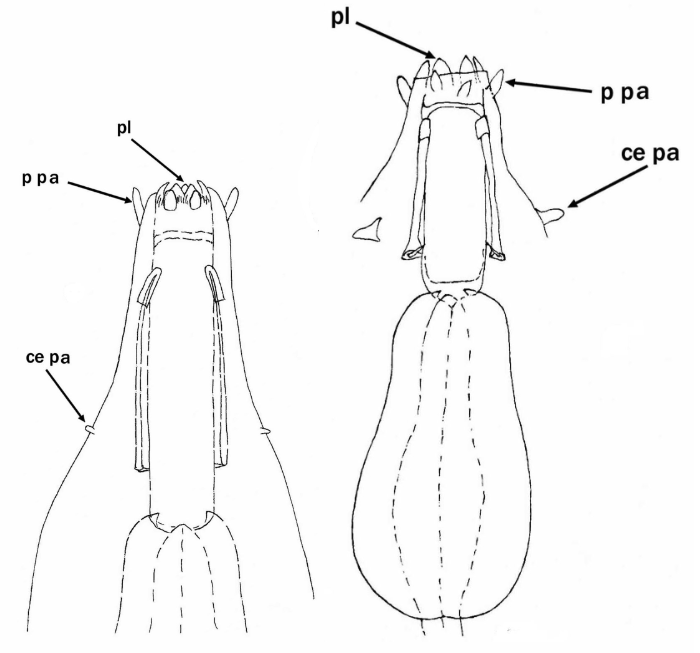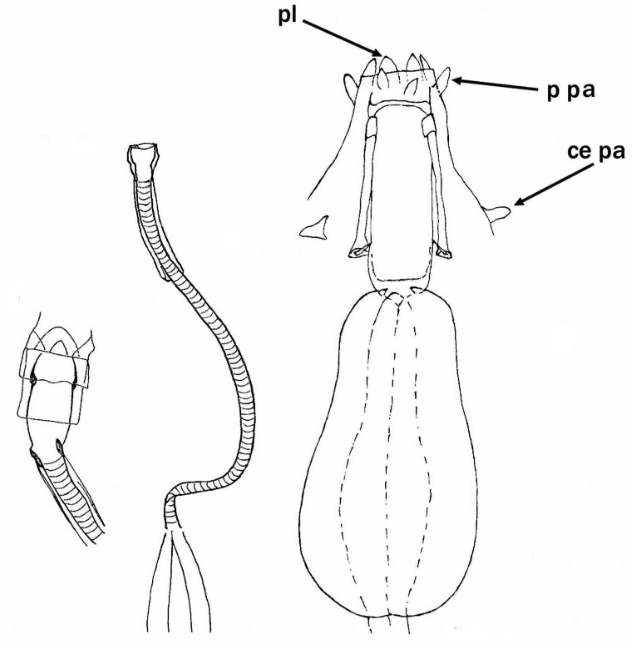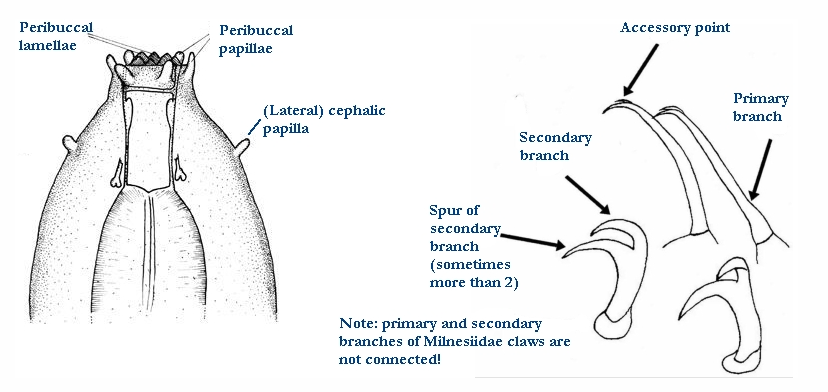

Genus description from Dastych 2019: “Median sized to large, dark-brown or blackish-brown pigmented hypsibiids with smooth cuticle (*) and large eyespots. Internal organs largely hidden by dense pigmentation. Six peribuccal lobes around mouth opening, peribuccal papillae not observed. The anterior apophyses of the mouth tube (= taa) of “acute hook” type (“Acutuncus variant”: Pilato & Binda 2010), i.e. each apophysis distally terminated with a short spine. Pharynx with two macroplacoids. Both claws on the legs of the modified “Hypsibius type“ (termed here “Cryobiotus subtype”). The main (=primary) branches of the claws with accessory spines being markedly wide and flat. No lunules, no cuticular bars between the claws and their bases. Most likely true cryobionts, i.e. obligate glacier dwellers.
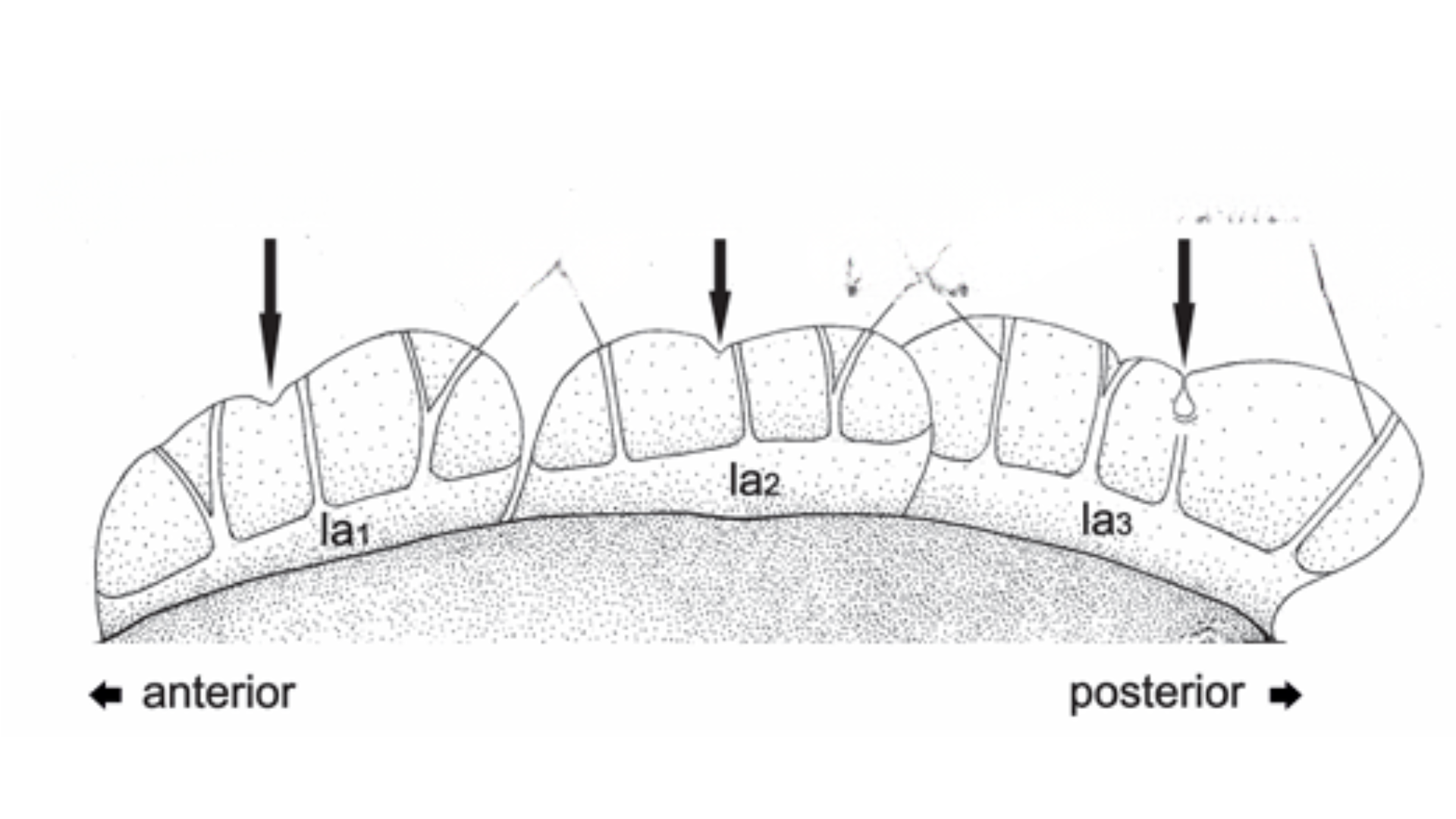
(*) The cuticle is smooth in LM, but already at moderate SEM magnifications it appears wrinkled; at higher magnifications regularly distributed tiny pore-like structures become visible that also occur in the type species Cryobiotus klebelsbergi (not published).”


Citations:
Dastych, H. (2019) Cryobiotus roswithae gen. n., sp. n., a new genus and species of glacier-dwelling tardigrades from northern Norway (Tardigrada, Panarthropoda). Entomologie heute, 31, 95–111.
Pilato, G., & Binda, M.G. (2010): Definition of families, subfamilies, genera and subgenera of the Eutardigrada, and keys to their identification. Zootaxa, 2404, 1-54.