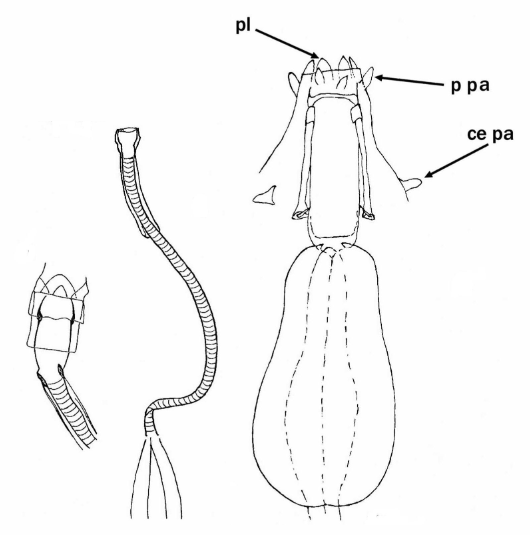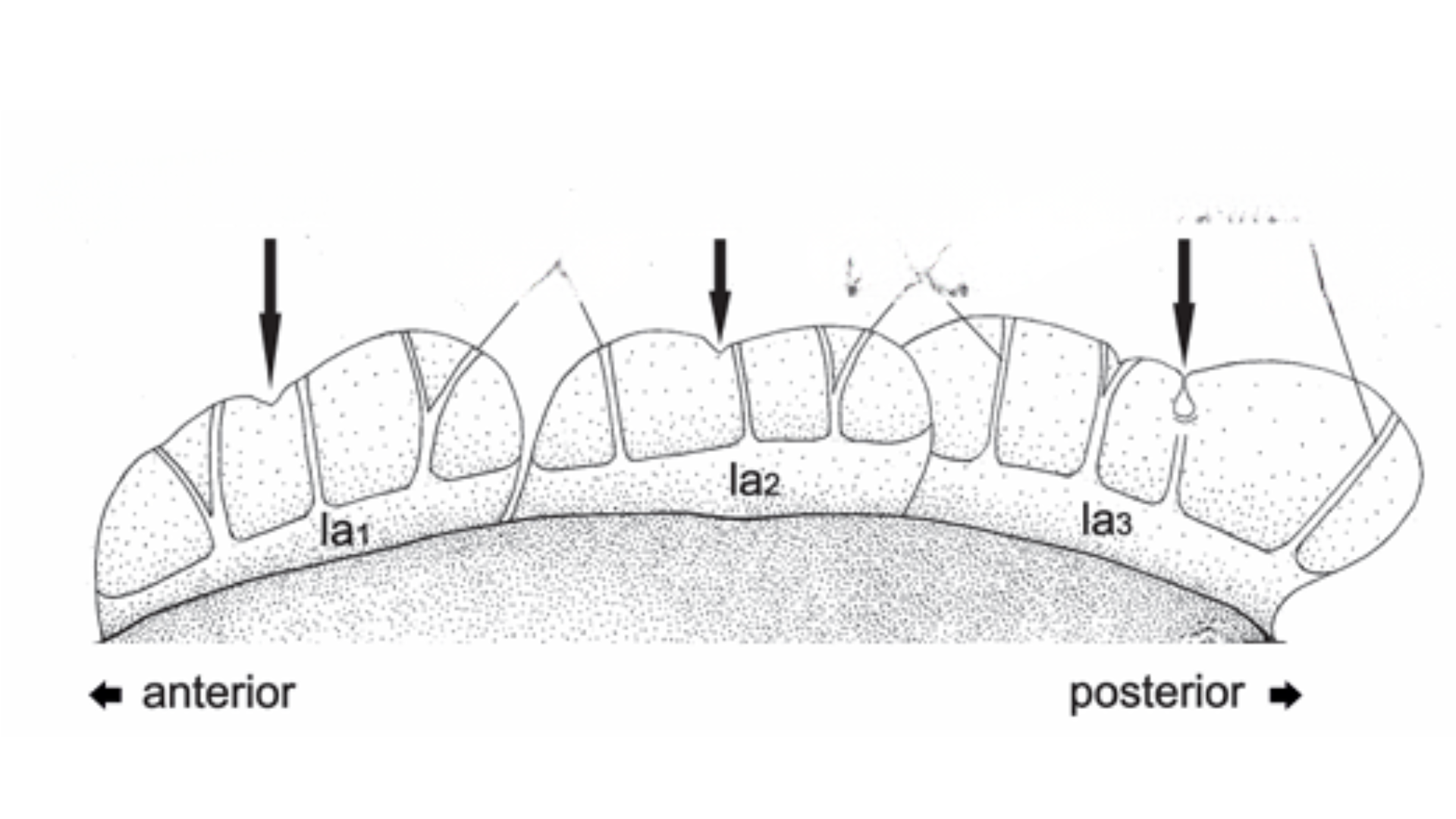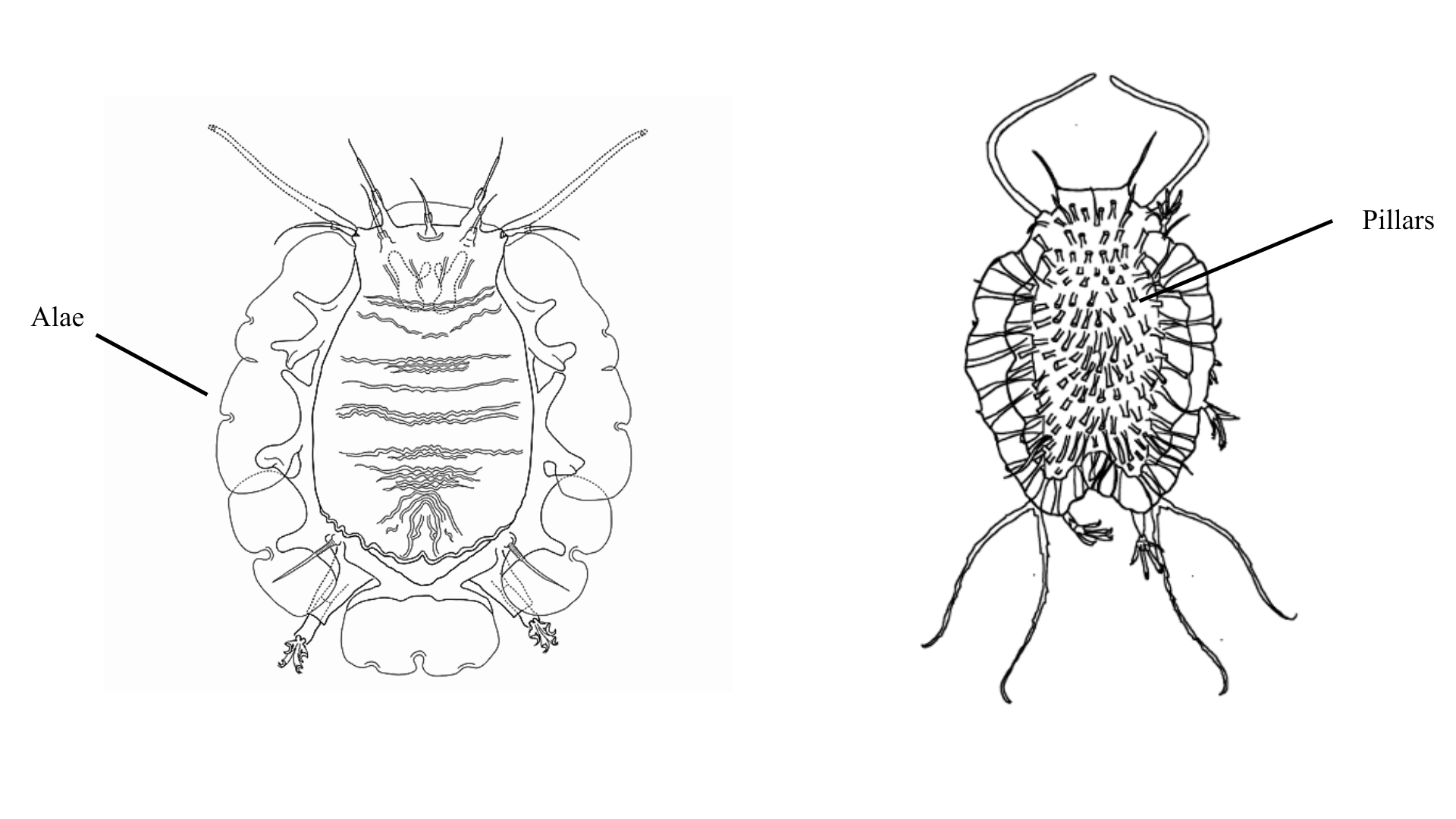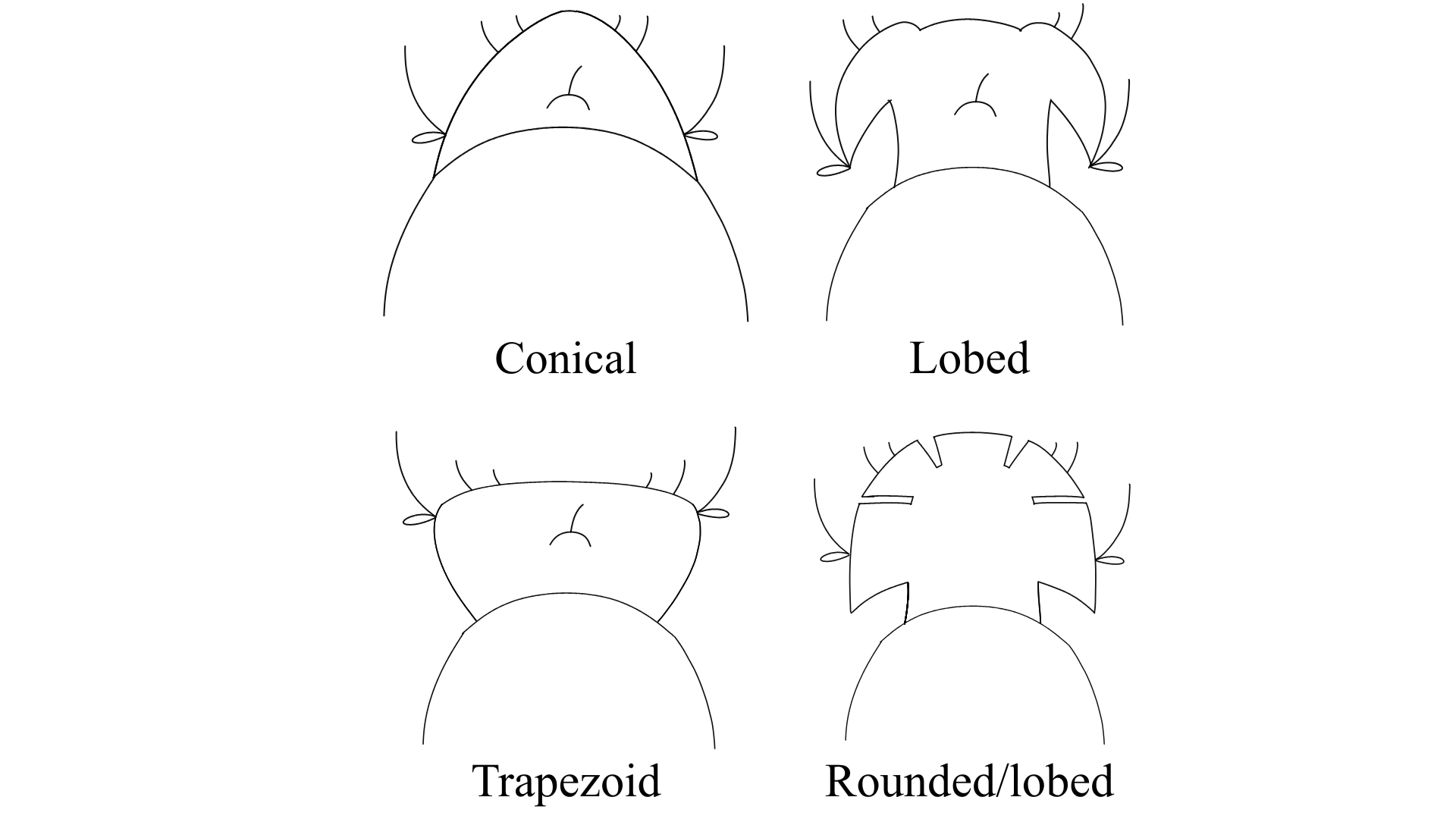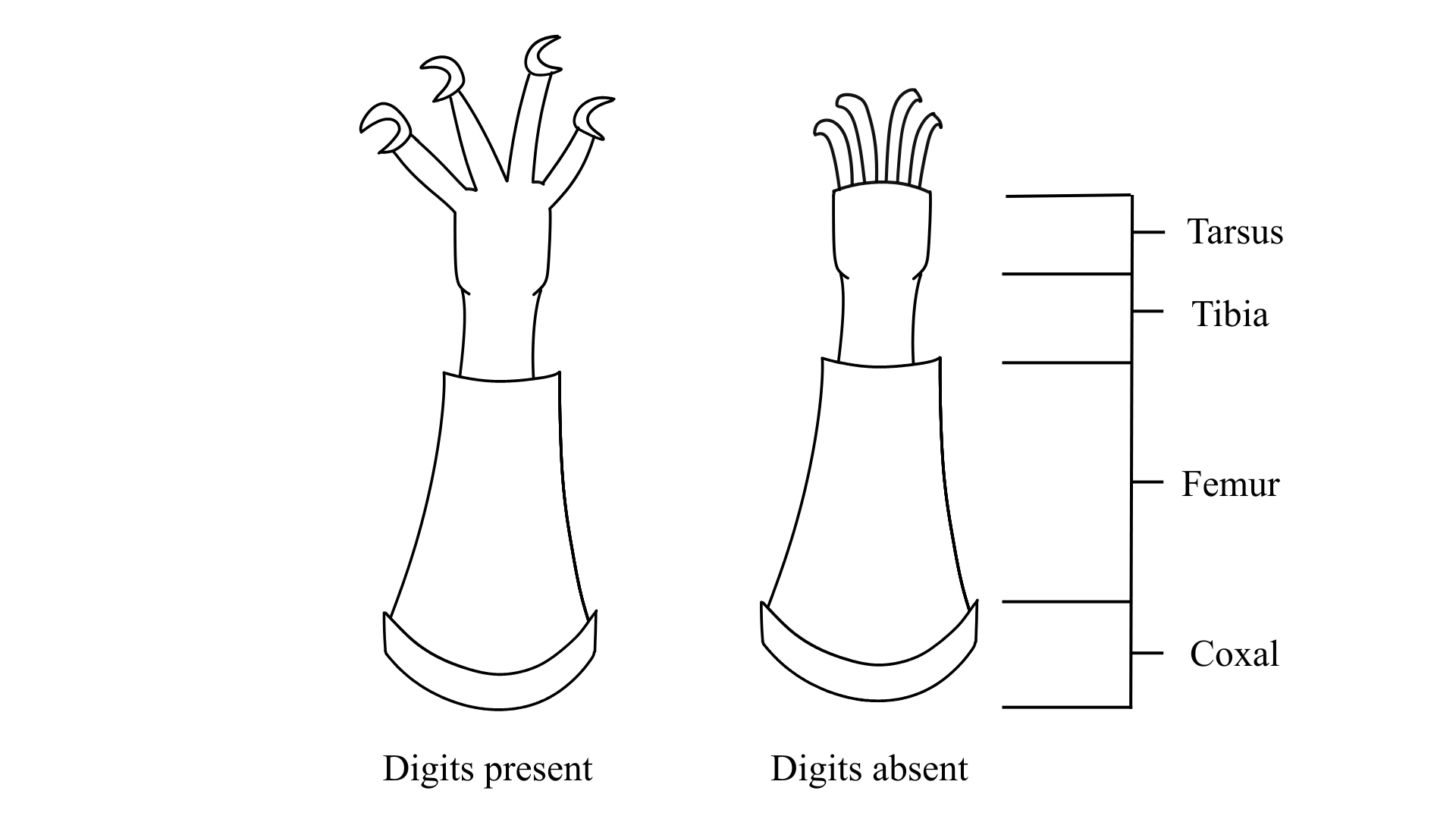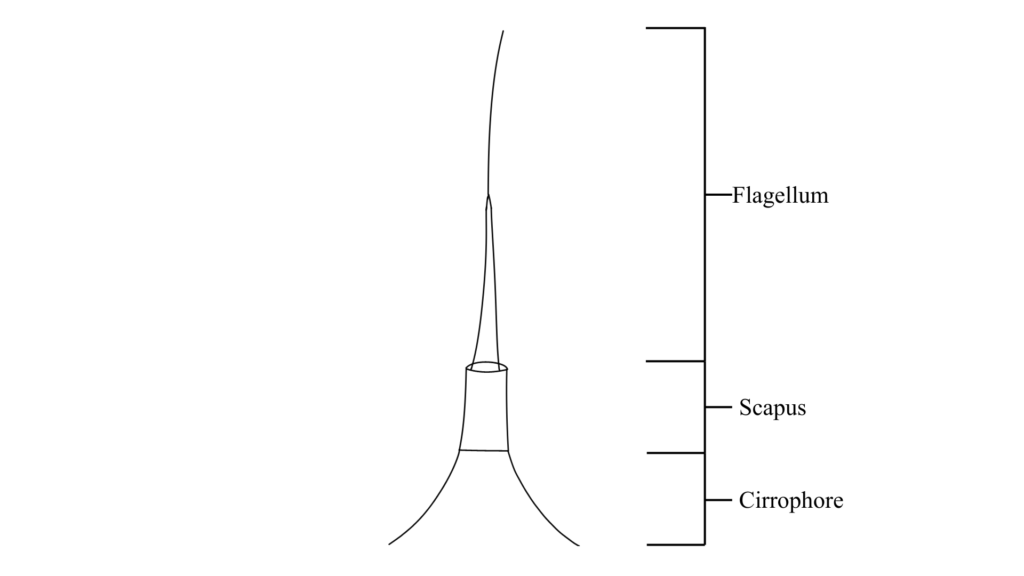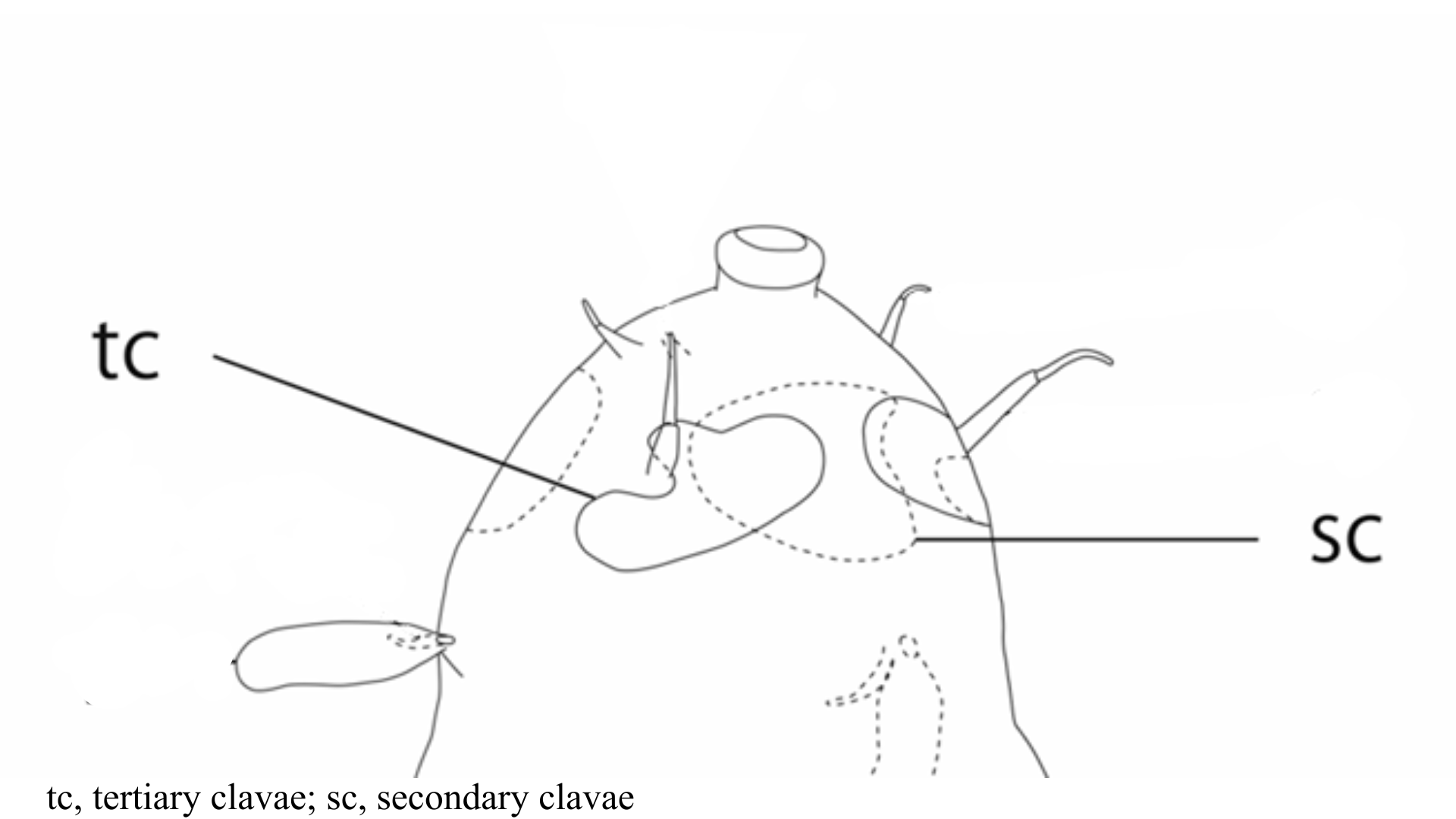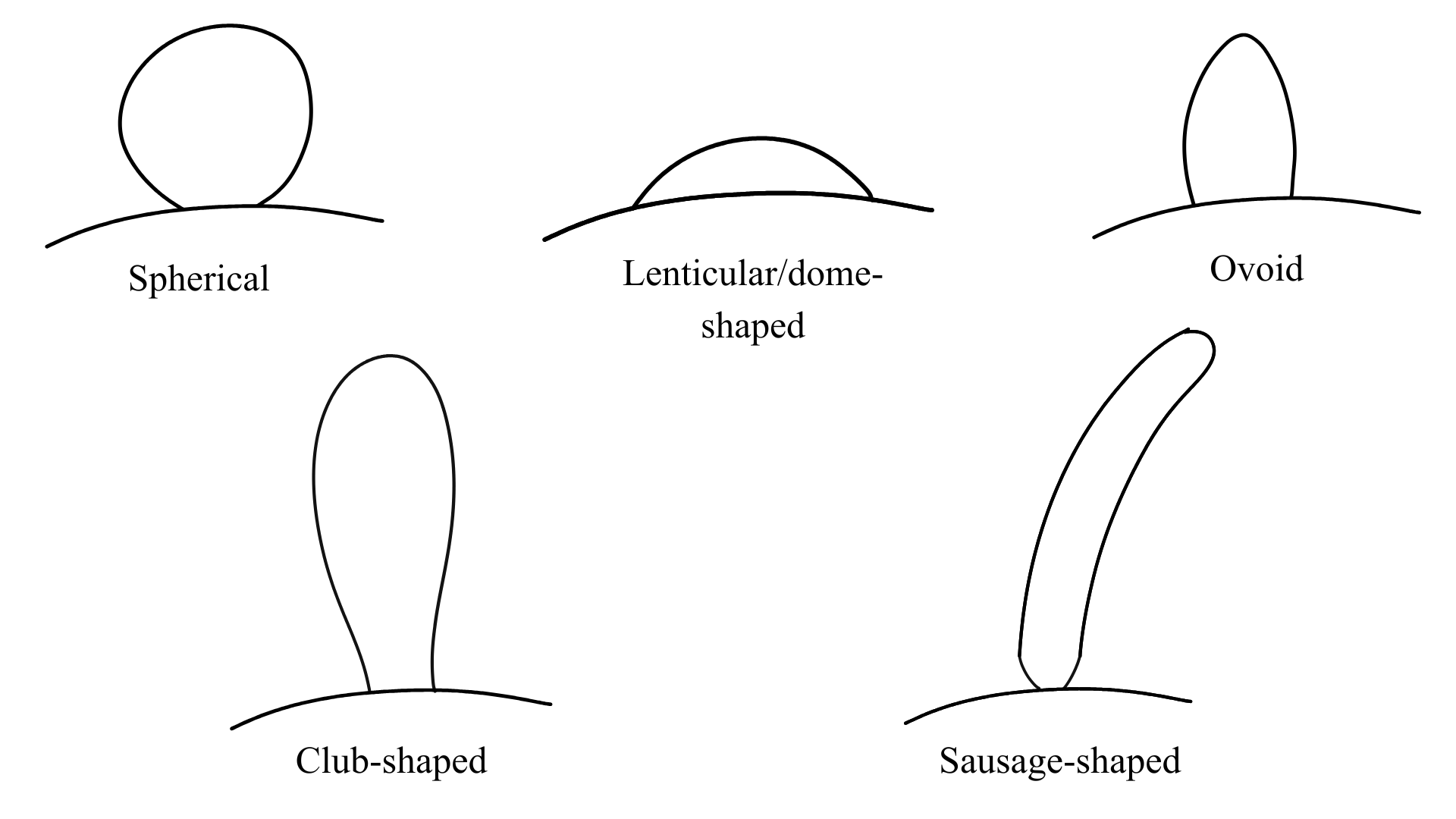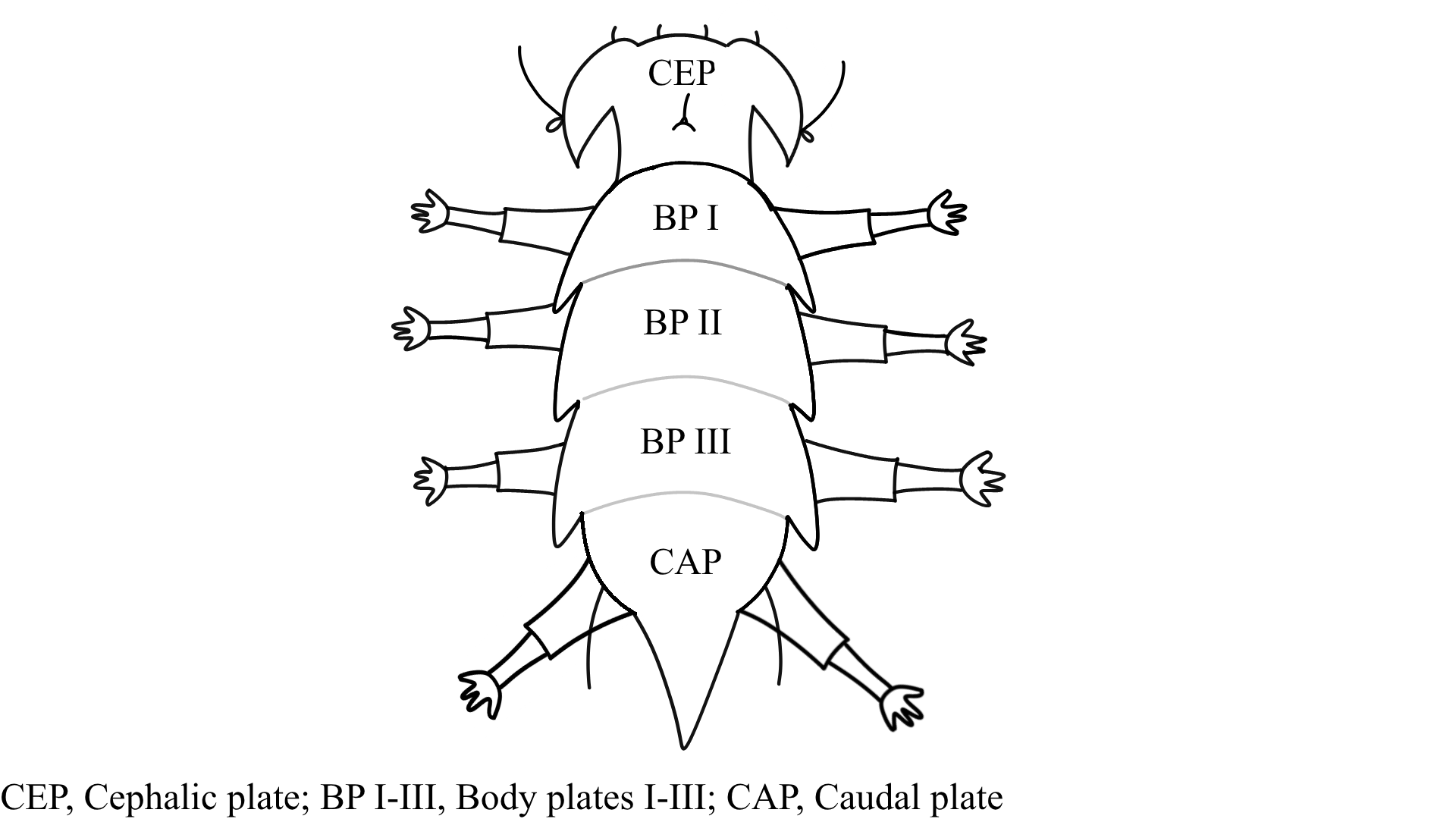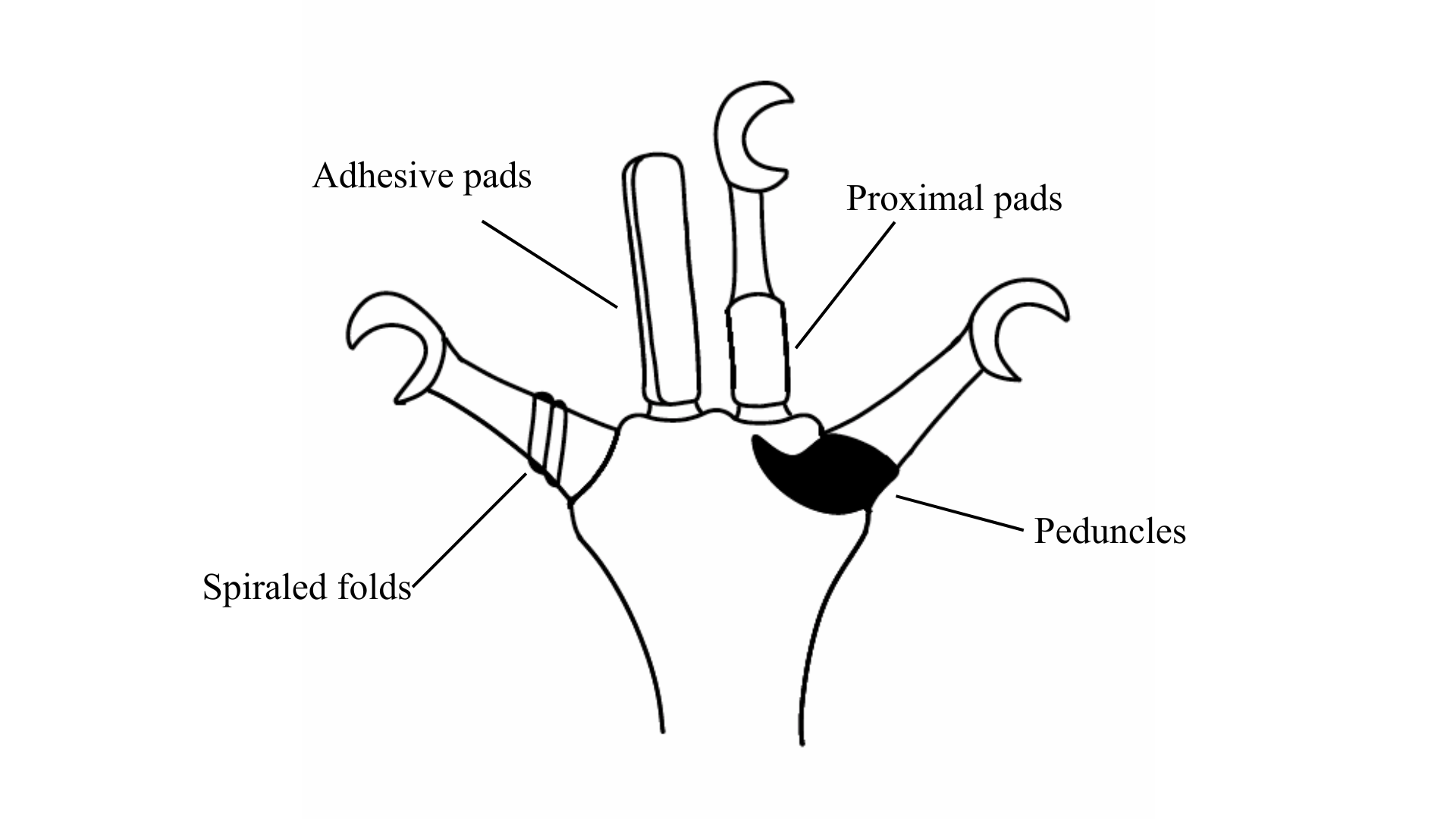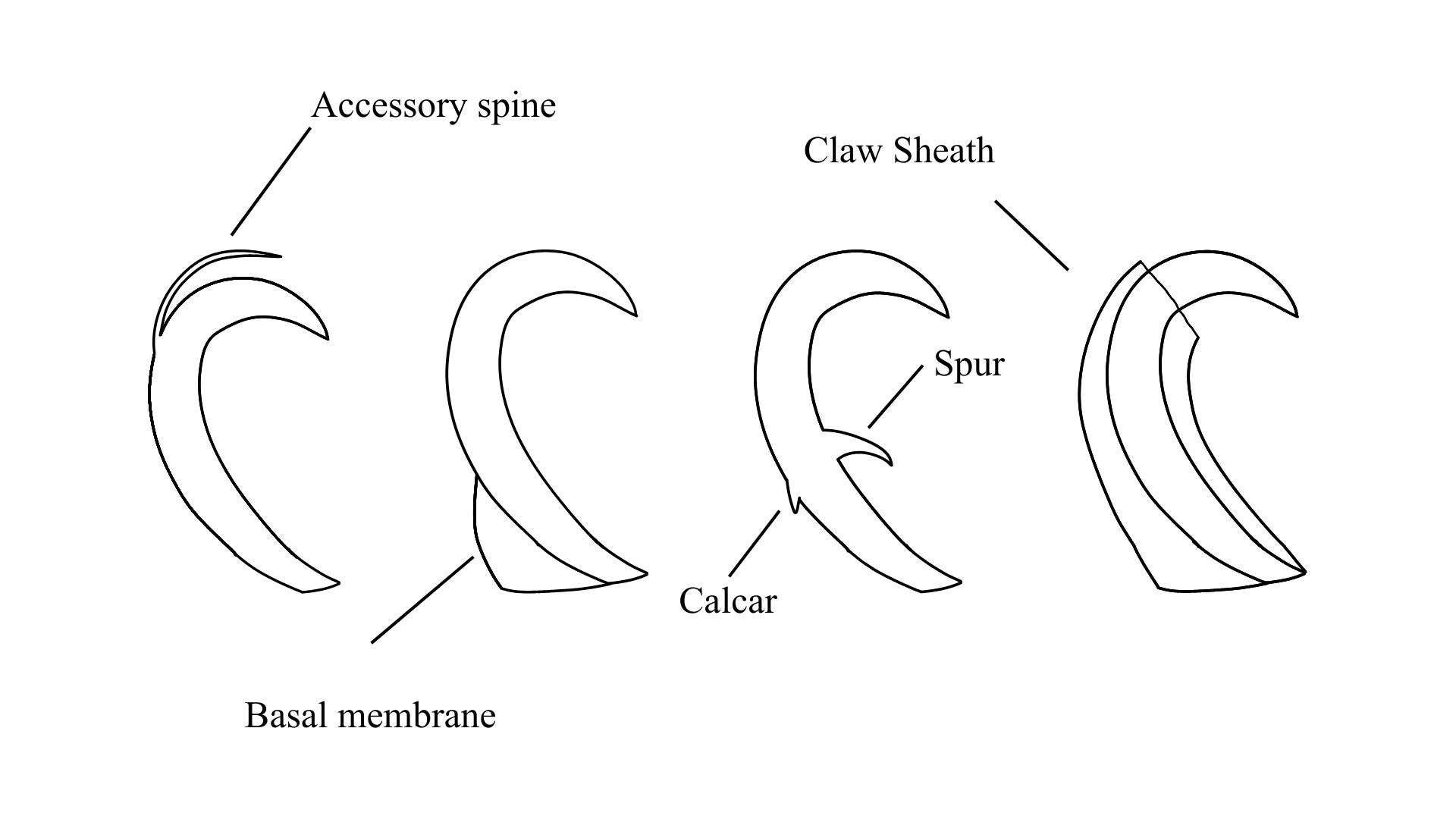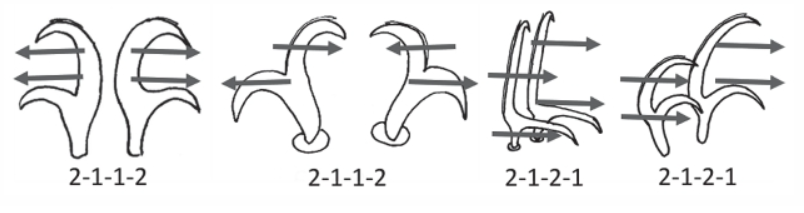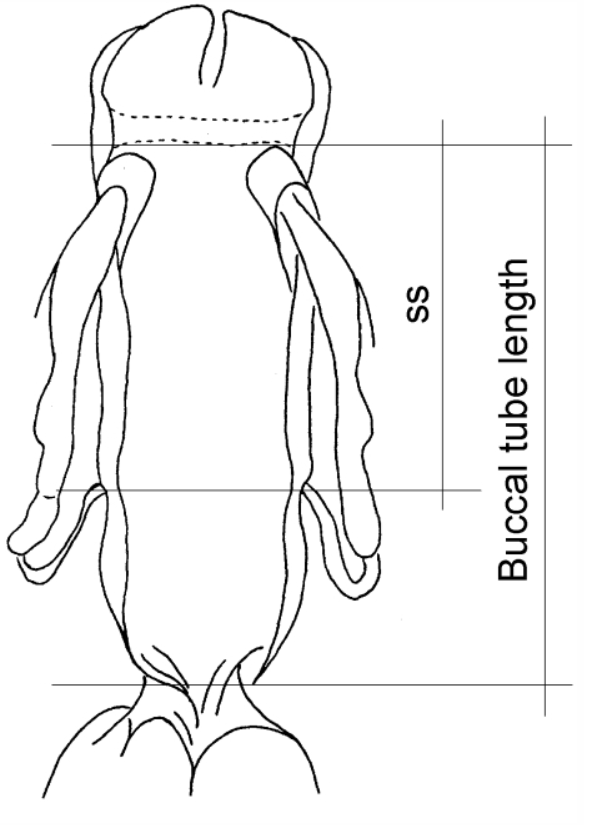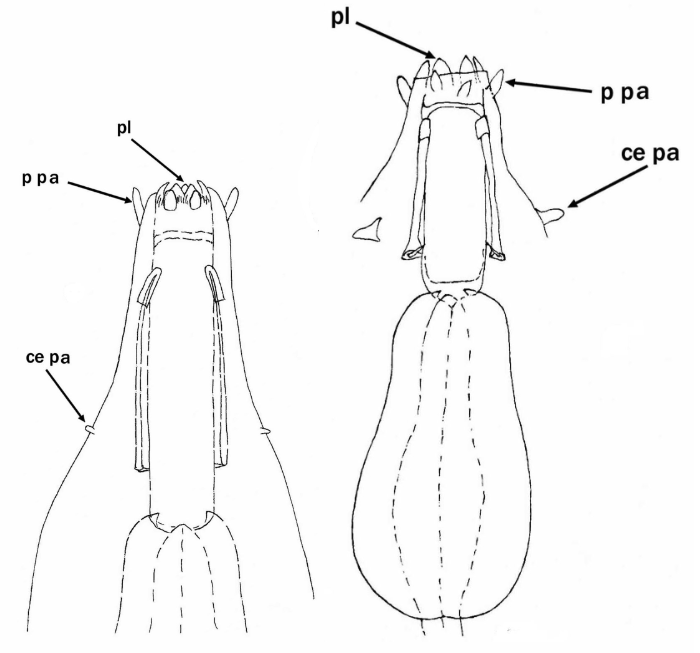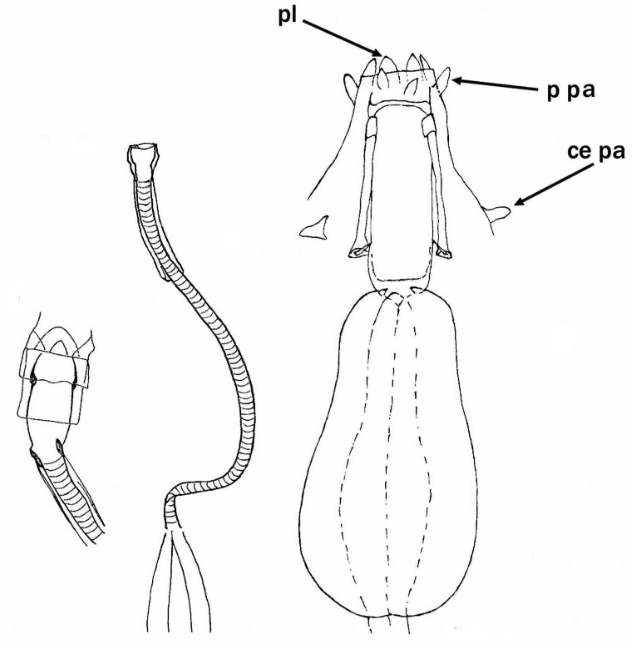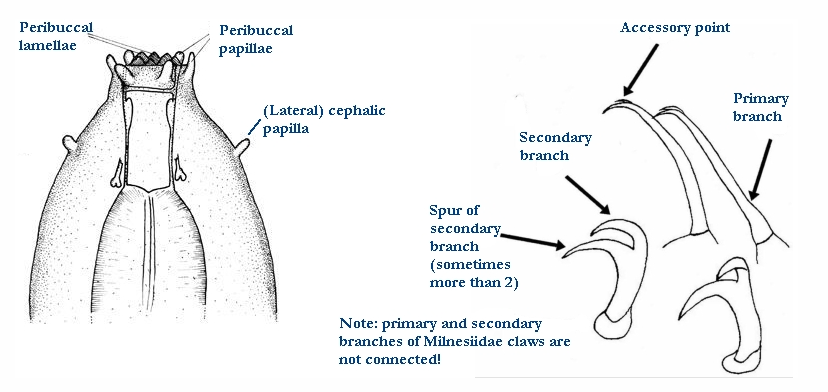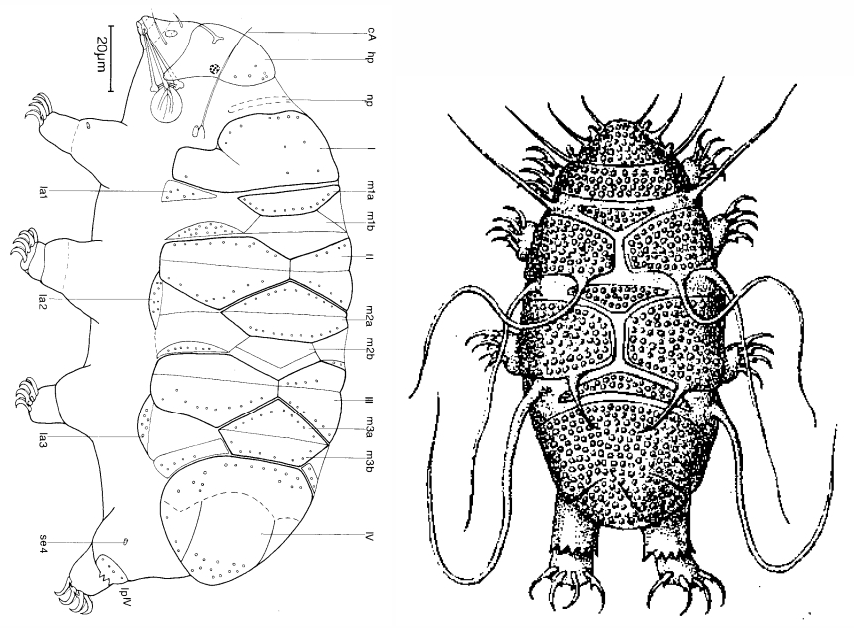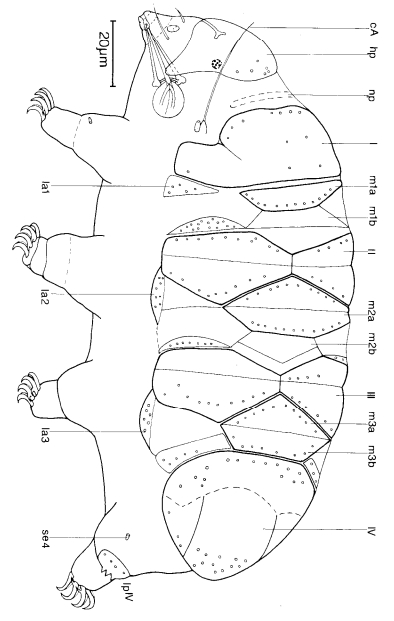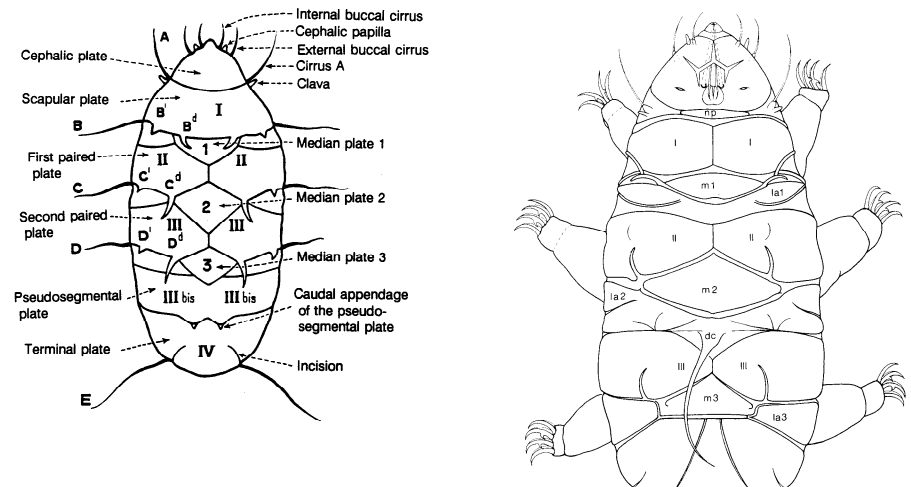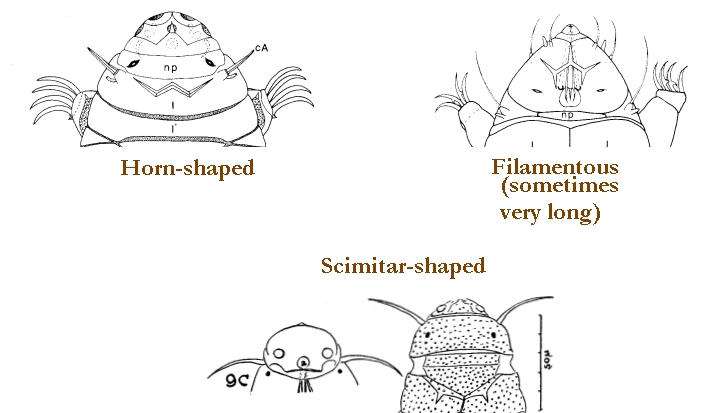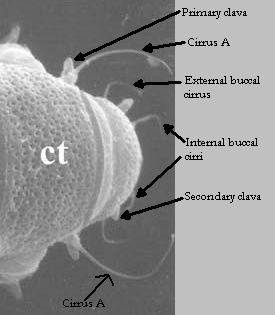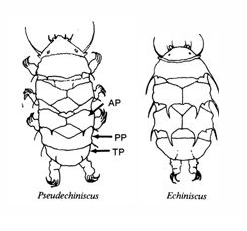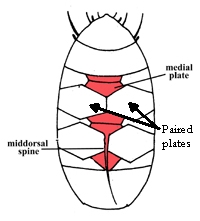

Genus description from Schulz 1935, following Boesgaard & Kristensen 2001, in Fontoura et al. 2017: “Tanarctidae with epicuticular alae (wings) internally supported by long pillars, increasing in length from body center to periphery. Body with an external thin gelatinous membrane, in which are immersed dorsal and lateral tubular processes (modified pillars). Digits with simple external claws without spurs, internal claws with spurs. All claws with strong calcar. Very thin peduncles may be present on all toes. Internal buccal cirri long and connected at base by membrane from epicuticle; median cirrus always present. Primary clavae long, buccal clavae club-shaped or flat H-shaped structure surrounding the mouth cone.”


Citations:
Boesgaard, T.M. & Kristensen, R.M. (2001) Tardigrades from Australian marine caves. With a redescription of Actinarctus neretinus (Arthrotardigrada). Zoologischer Anzeiger, 240: 253–264.
Fontoura, P., Bartels, P.J., Jørgensen, A., Kristensen, R.M. & Hansen, J.G. (2017) A dichotomous key to the genera of the marine Heterotardigrades (Tardigrada). Zootaxa, 4294, 1–45.
Schulz, E. (1935) Actinarctus doryphorus nov. gen. nov. spec., ein merkwürdiger Tardigrad aus der Nordsee. Zoologischer Anzeiger, 111: 285–288.