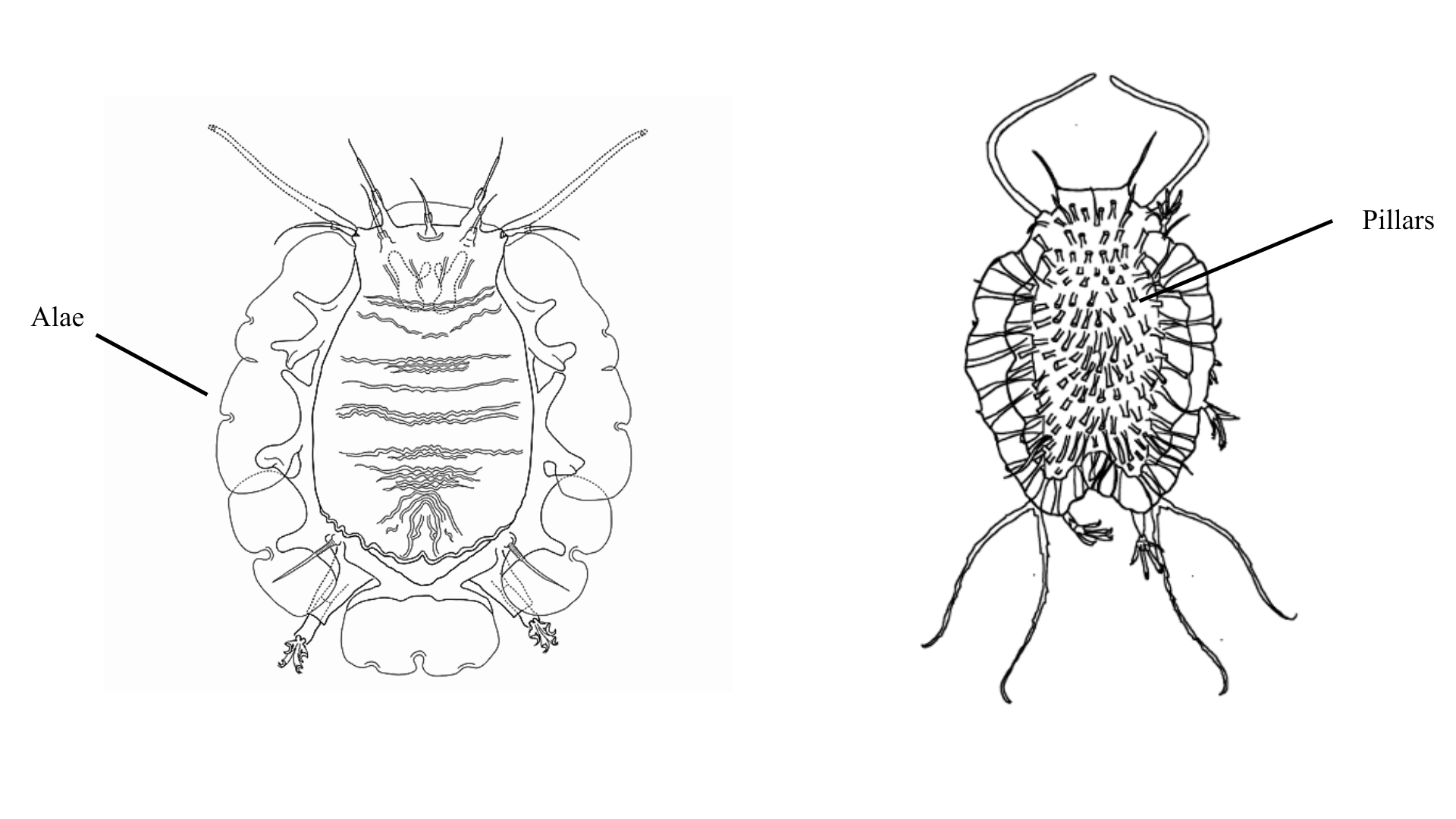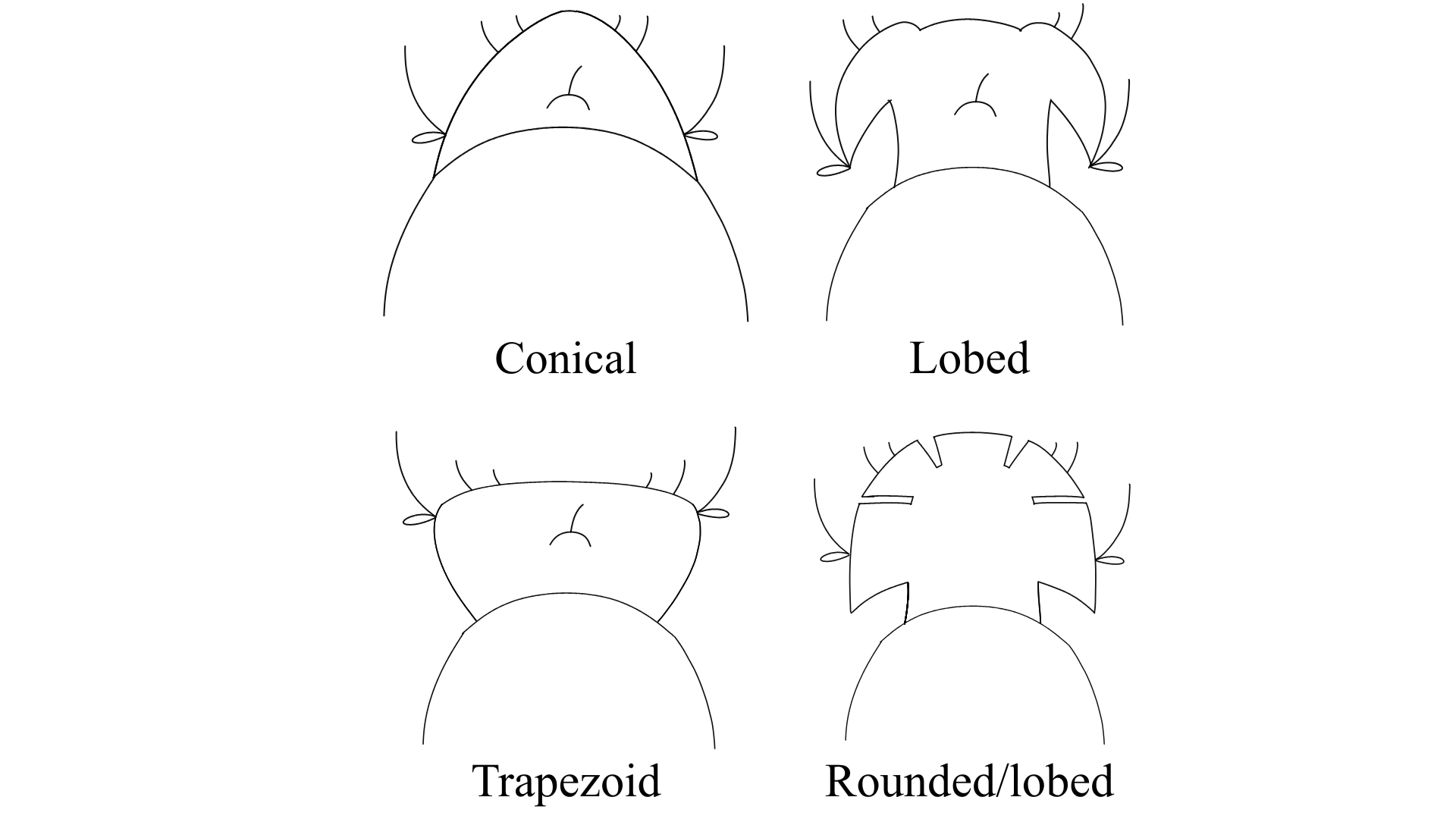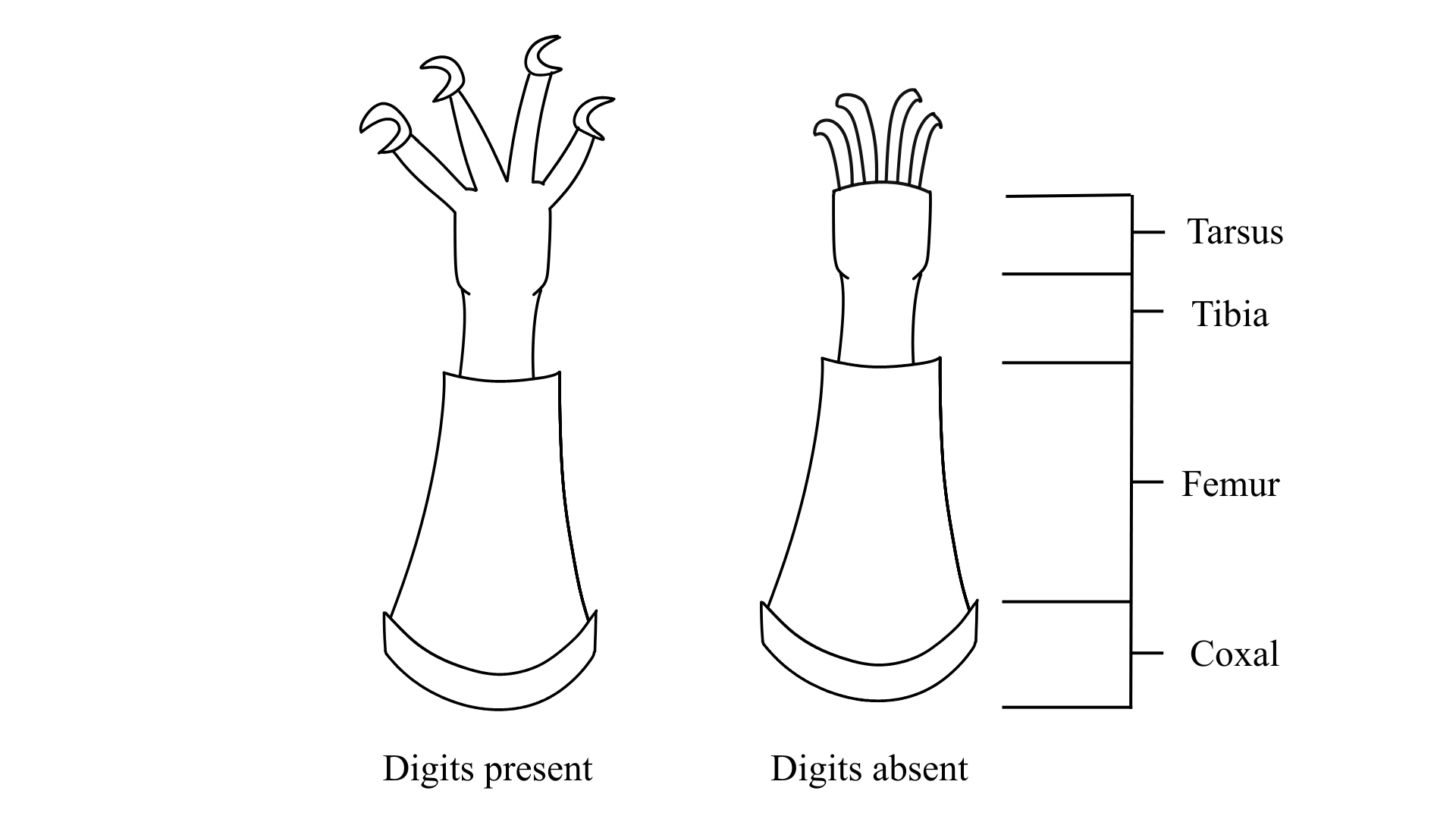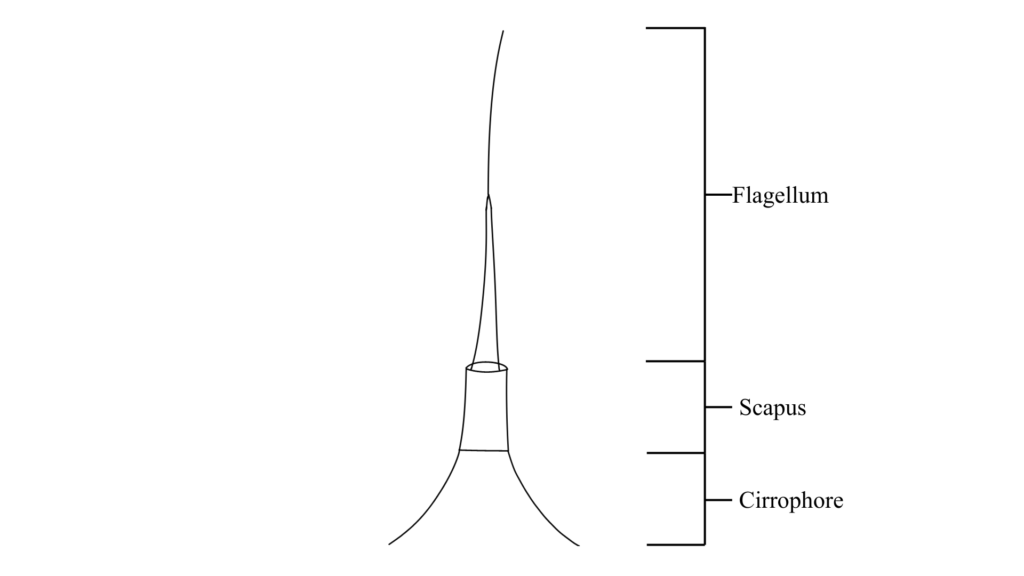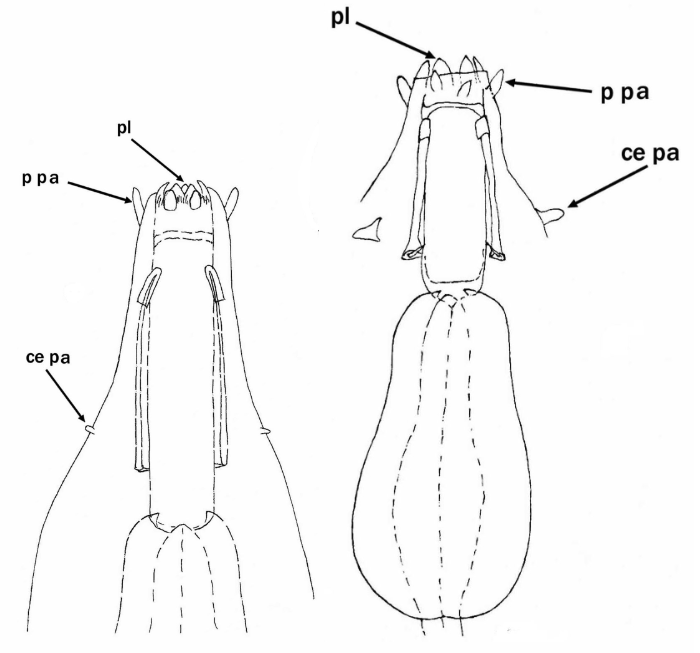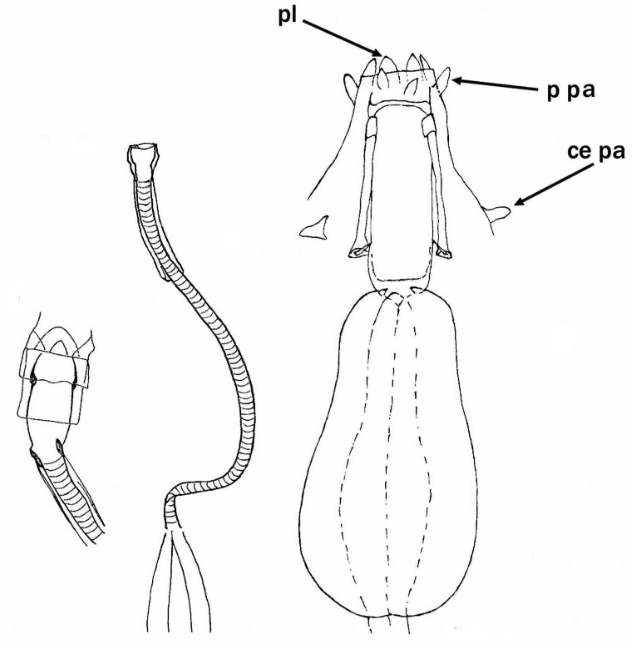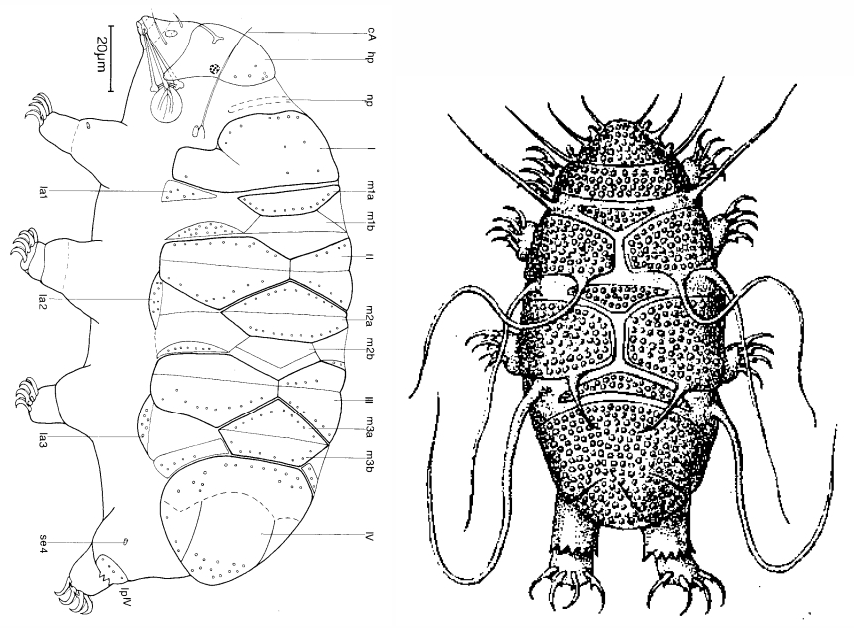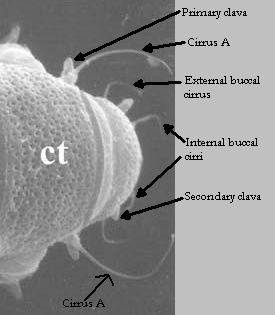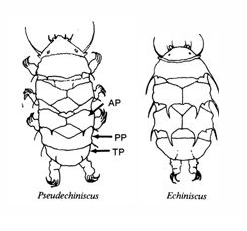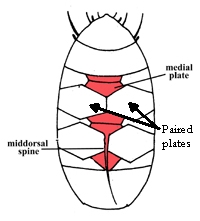
From Fontoura et al. 2017: “Considered as subfamily Tanarctinae assigned to the family Halechiniscidae by Renaud-Mornant (1980). Elevated to family level by Fujimoto et al. (2016).
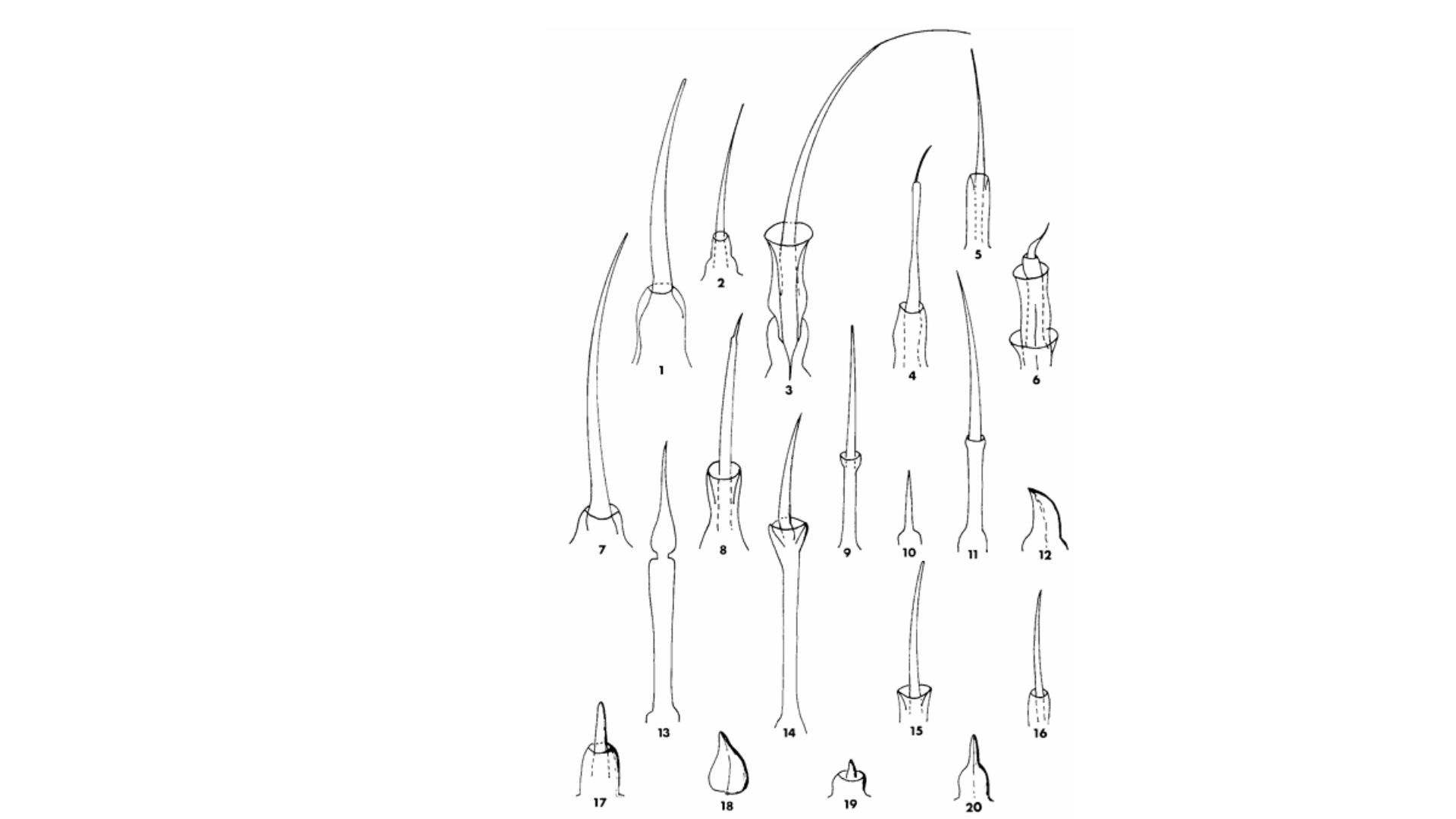
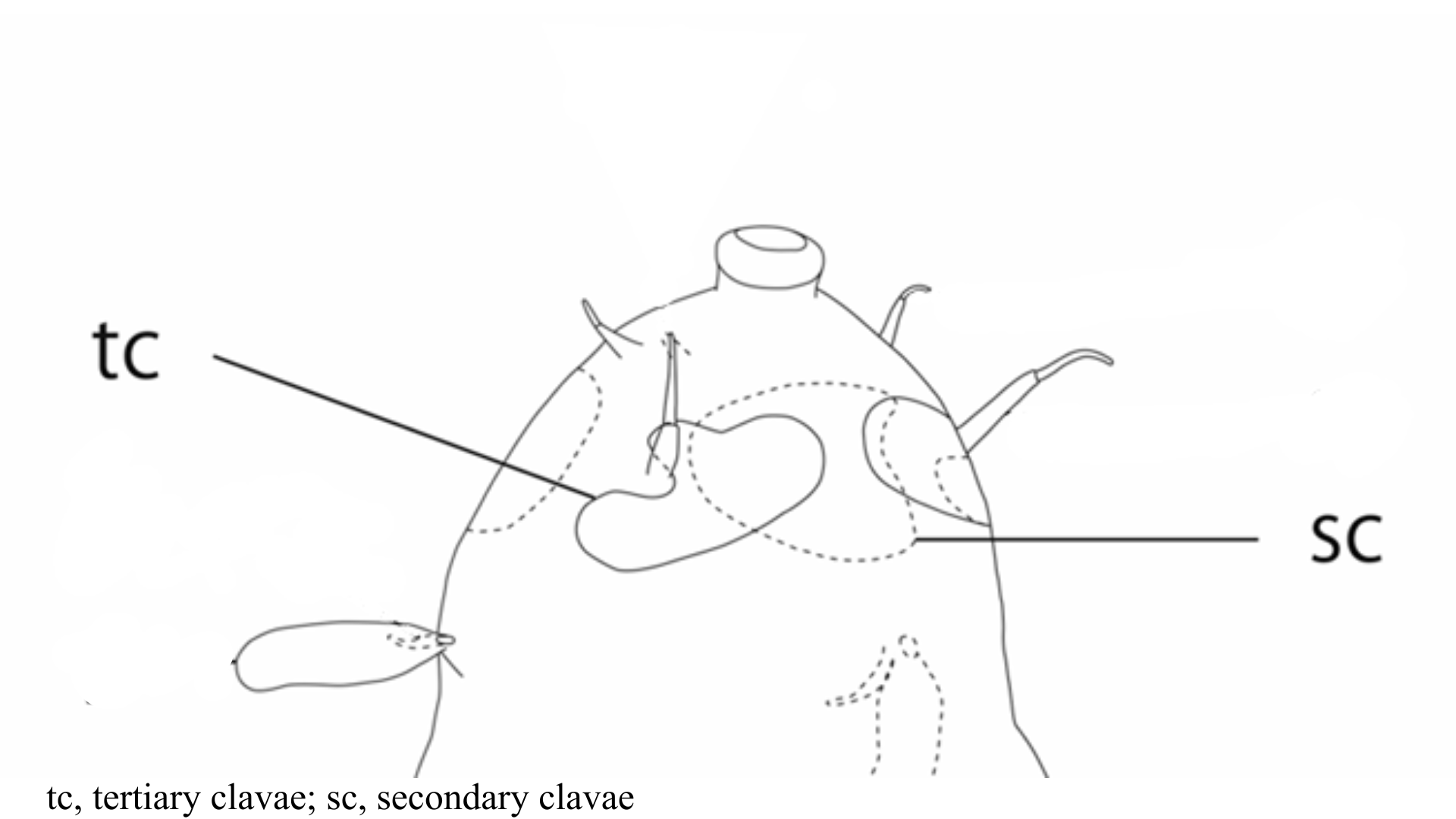
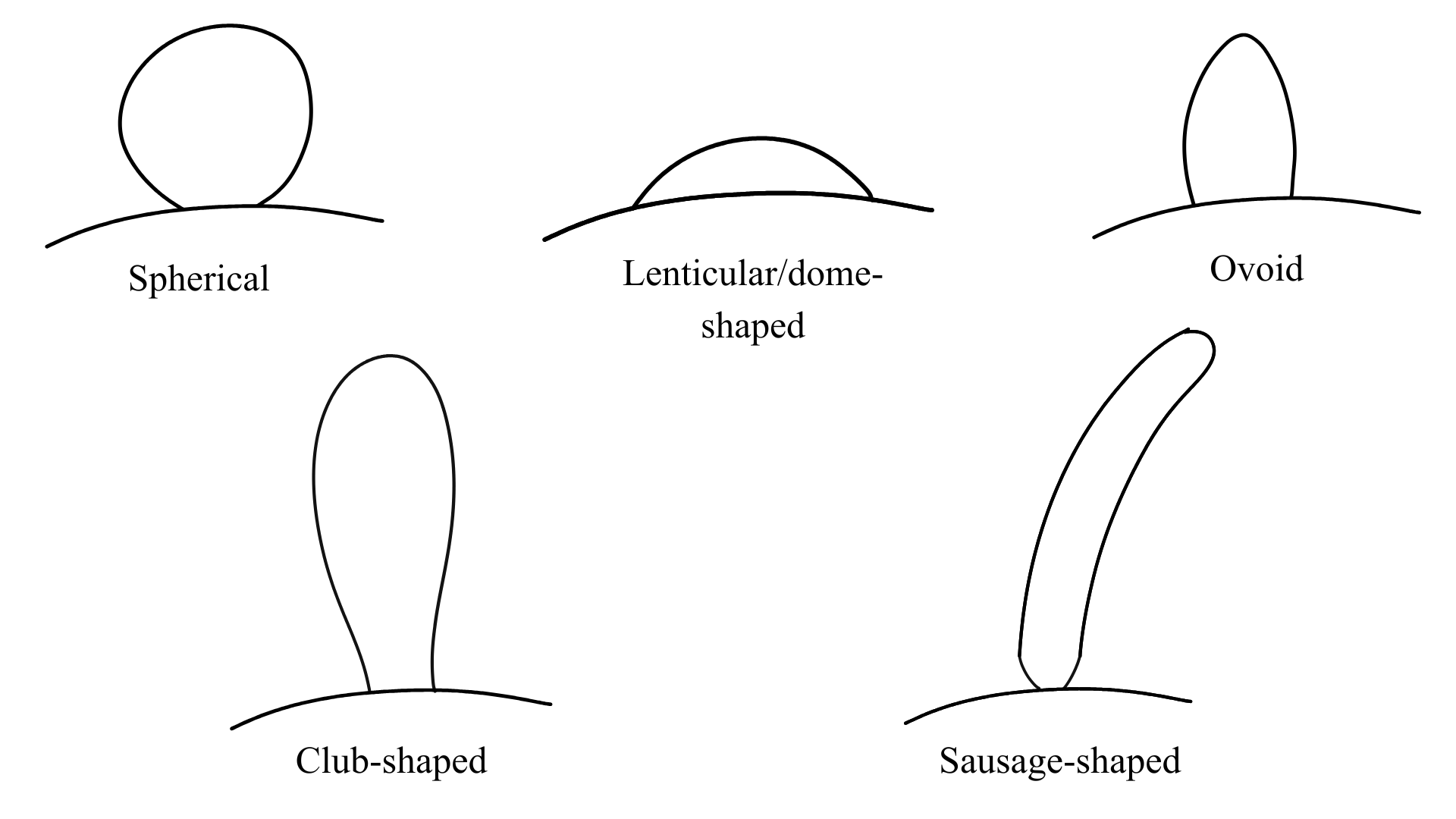
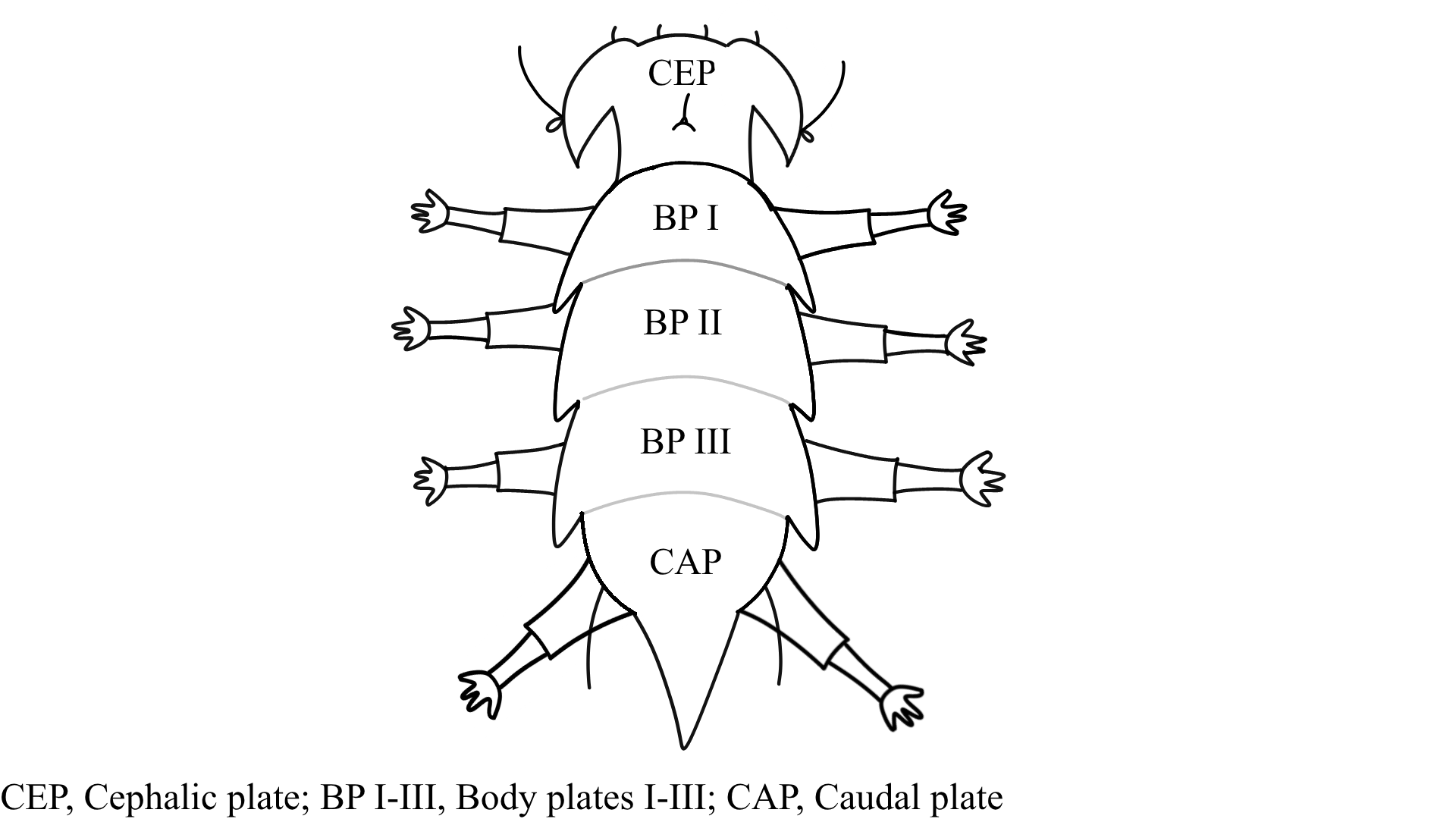
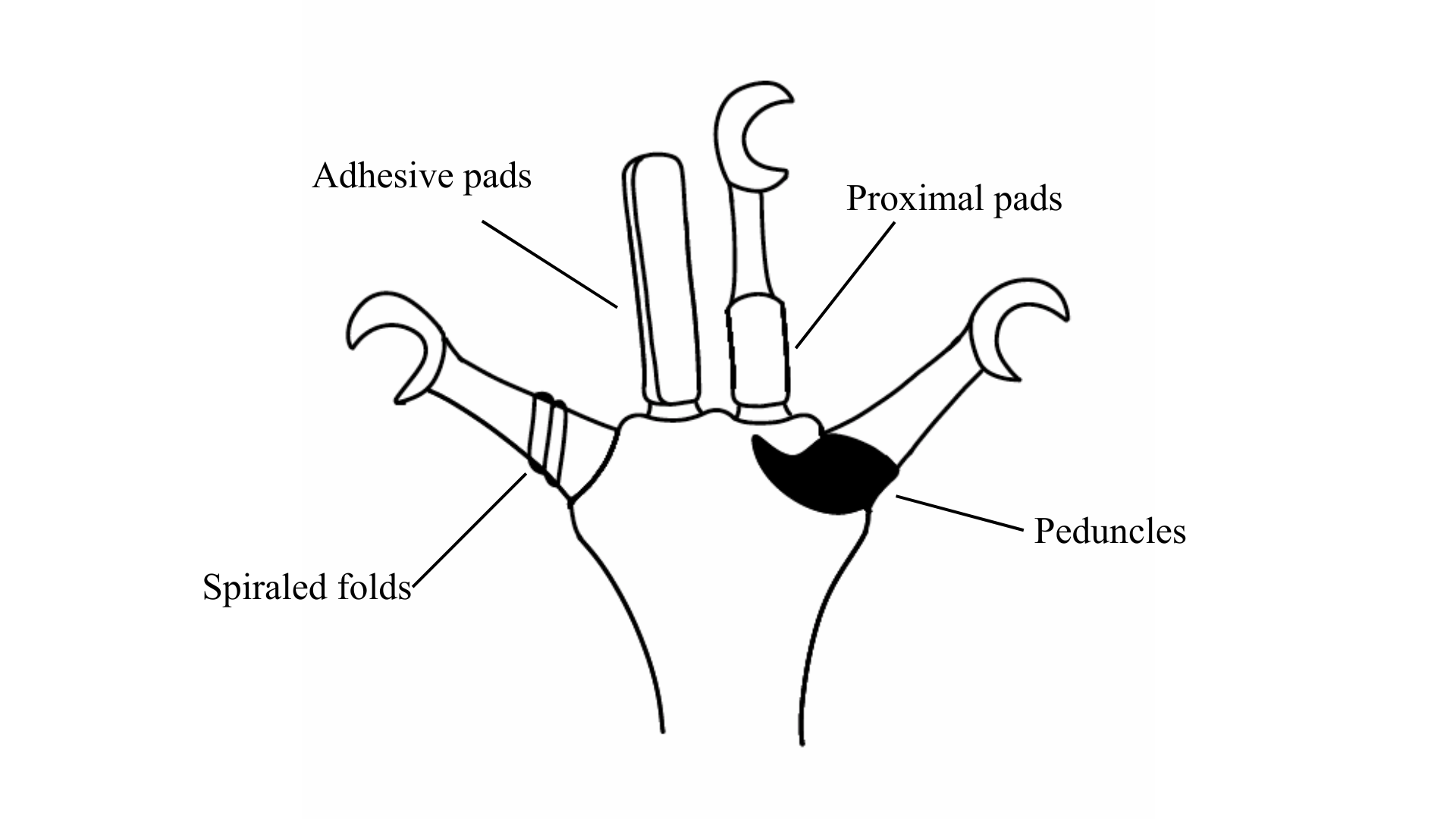
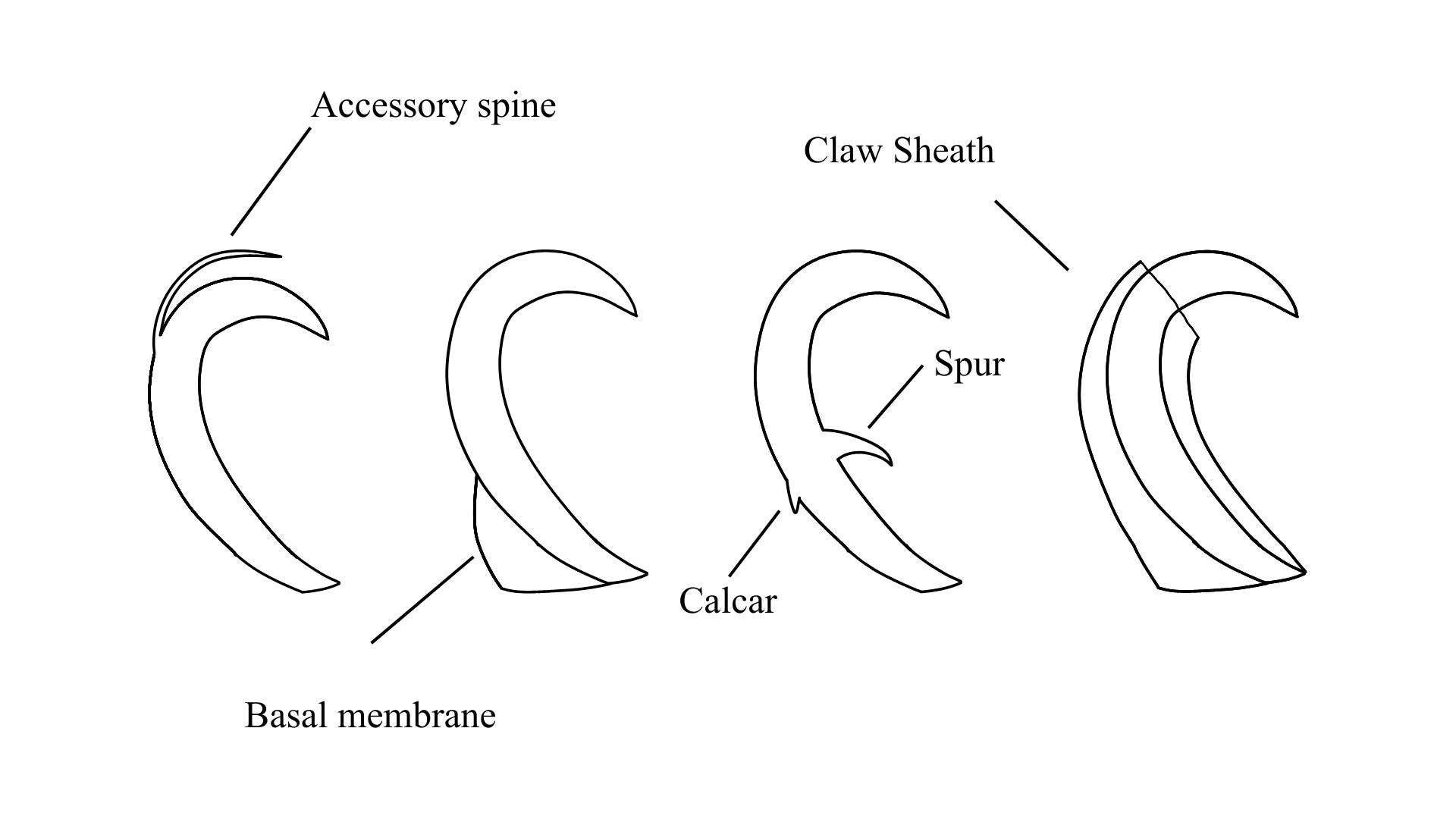
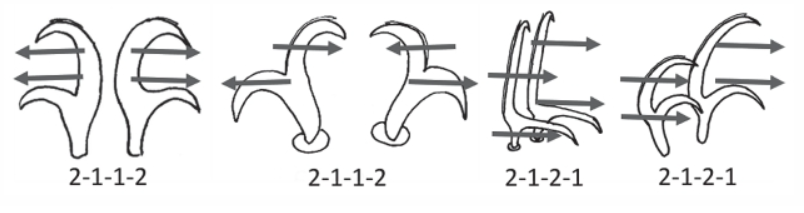
Arthrotardigrada without sclerotized cuticular plates. Cephalic appendages usually consist of unpaired median cirrus, three pairs of cirri, pair of long primary clavae and pair of secondary clavae, which may be indistinguishable. Sensory organs on leg IV long and often bifurcated. Legs long and telescopic, each with lance-like tibia and conical tarsus. Adults with four clawed digits. Internal digits inserted on pretarsi and longer than external digits. Claws with strong calcar. Placoids with subterminal bulbous branch. Rosette-like female gonopore and spindle-shaped seminal receptacles.”
Citations:
Fontoura, P., Bartels, P.J., Jørgensen, A., Kristensen, R.M. & Hansen, J.G. (2017) A dichotomous key to the genera of the marine Heterotardigrades (Tardigrada). Zootaxa, 4294, 1–45.
Fujimoto, S., Jørgensen, A. & Hansen, J.G. (2016) A molecular approach to arthrotardigrade phylogeny (Heterotardigrada, Tardigrada). Zoologica Scripta. [published online]
Renaud-Mornant, J. (1980) Description de trois espèces nouvelles du genre Tanarctus Renaud-Debyser 1959, et création de la sous-famille des Tanarctinae, subfam. nov. (Tardigrada, Heterotardigrada). Bulletin du Muséum National d’Histoire Naturelle (Paris), 2(1): 129–142.