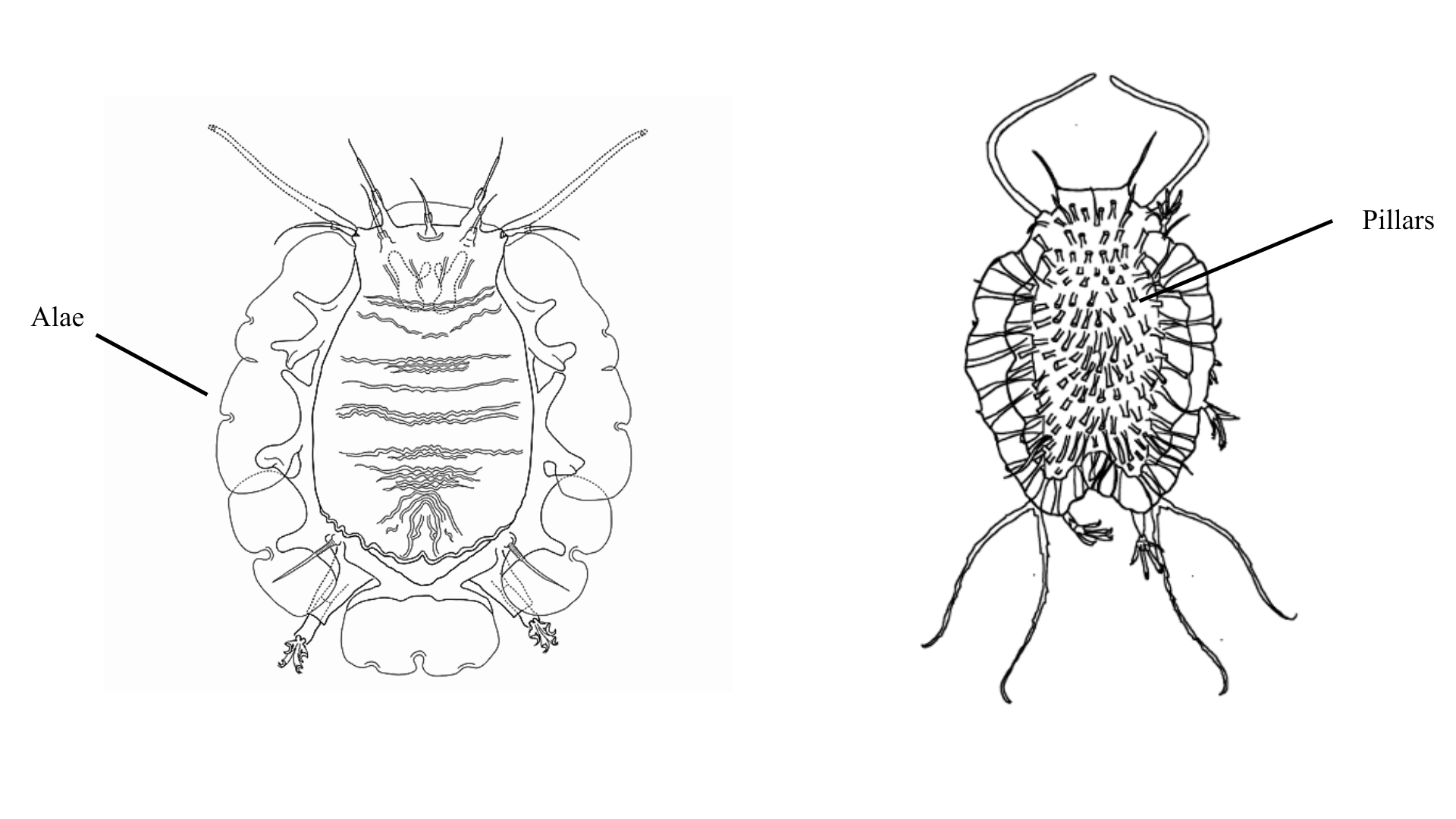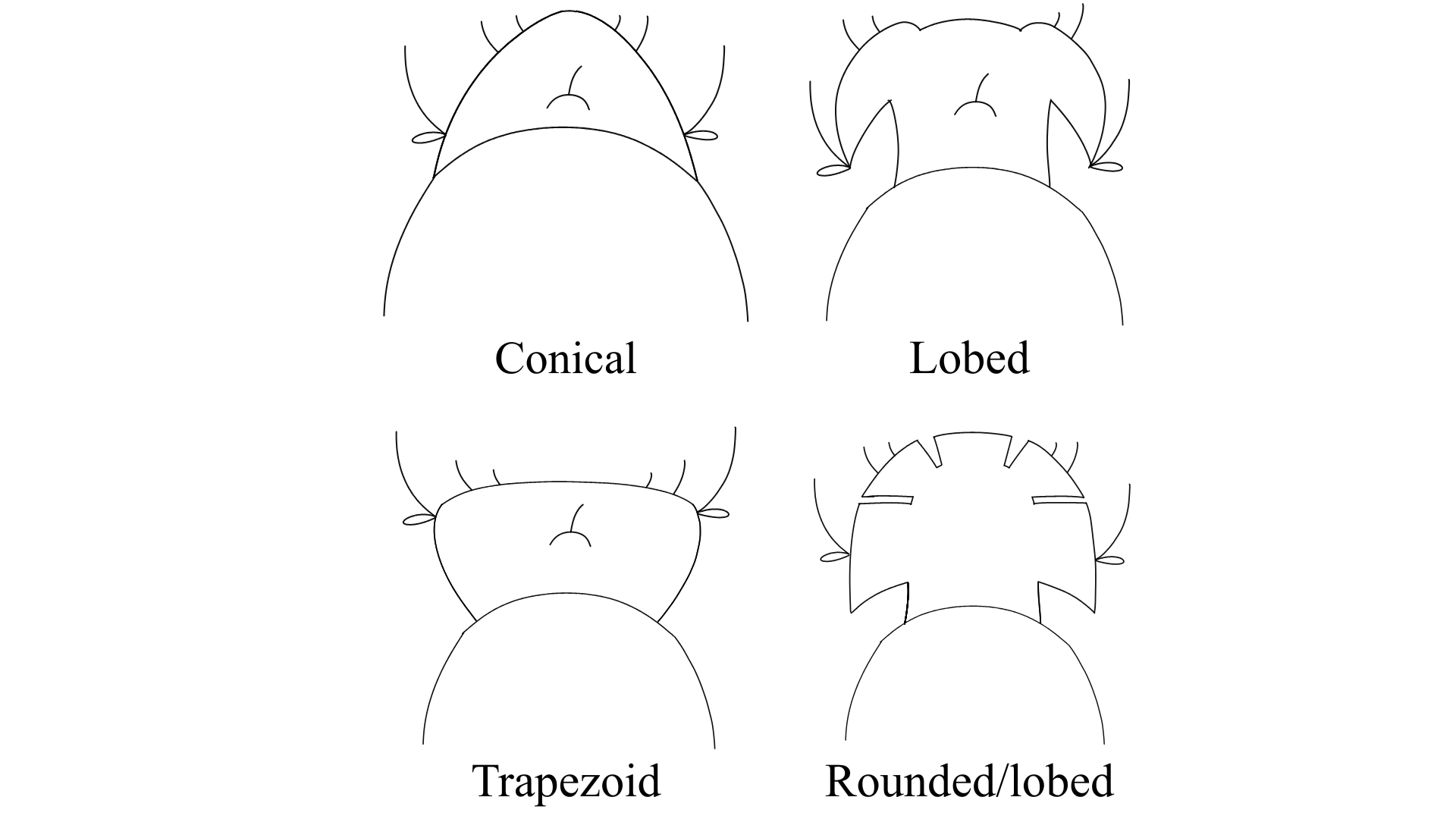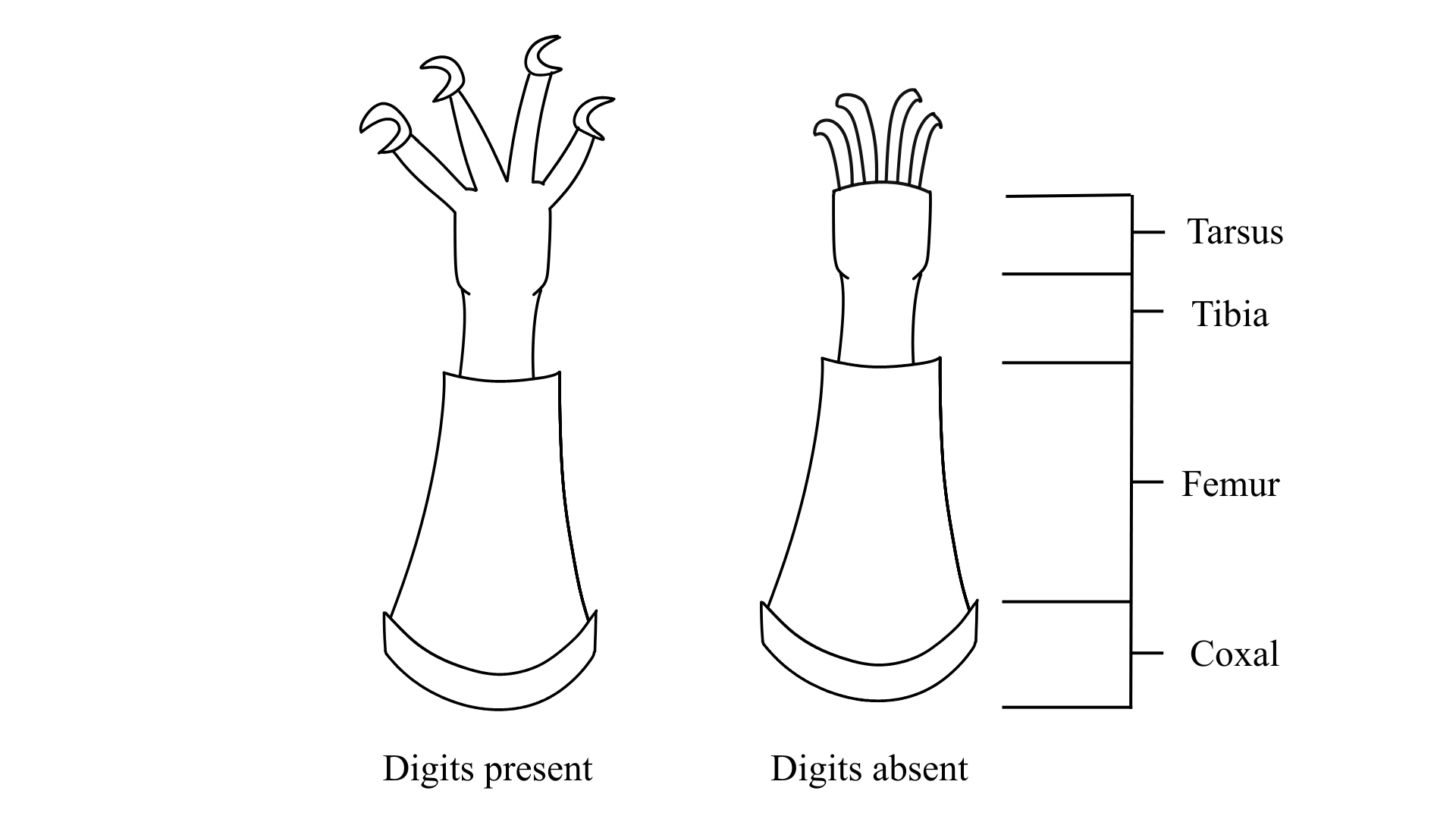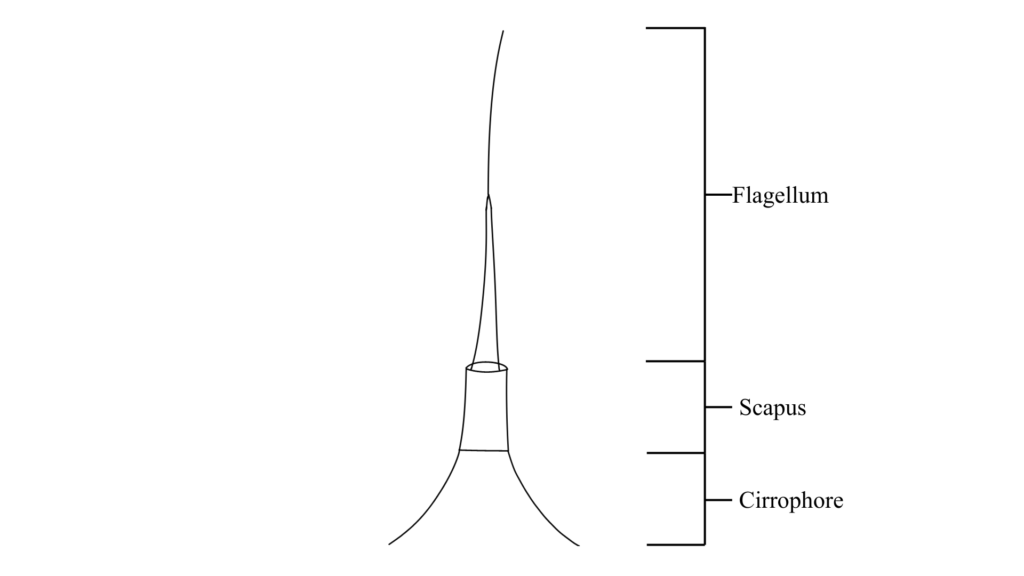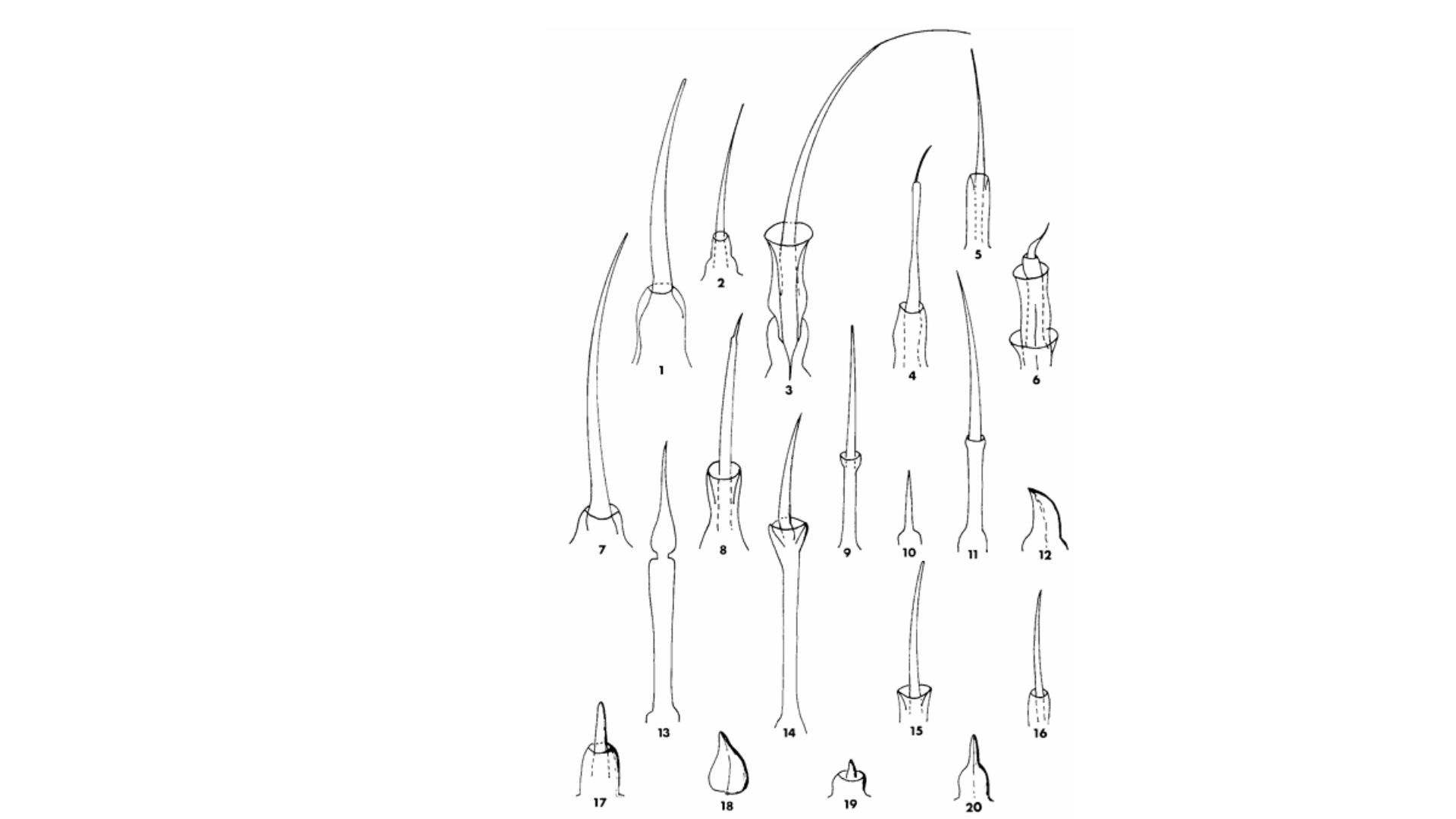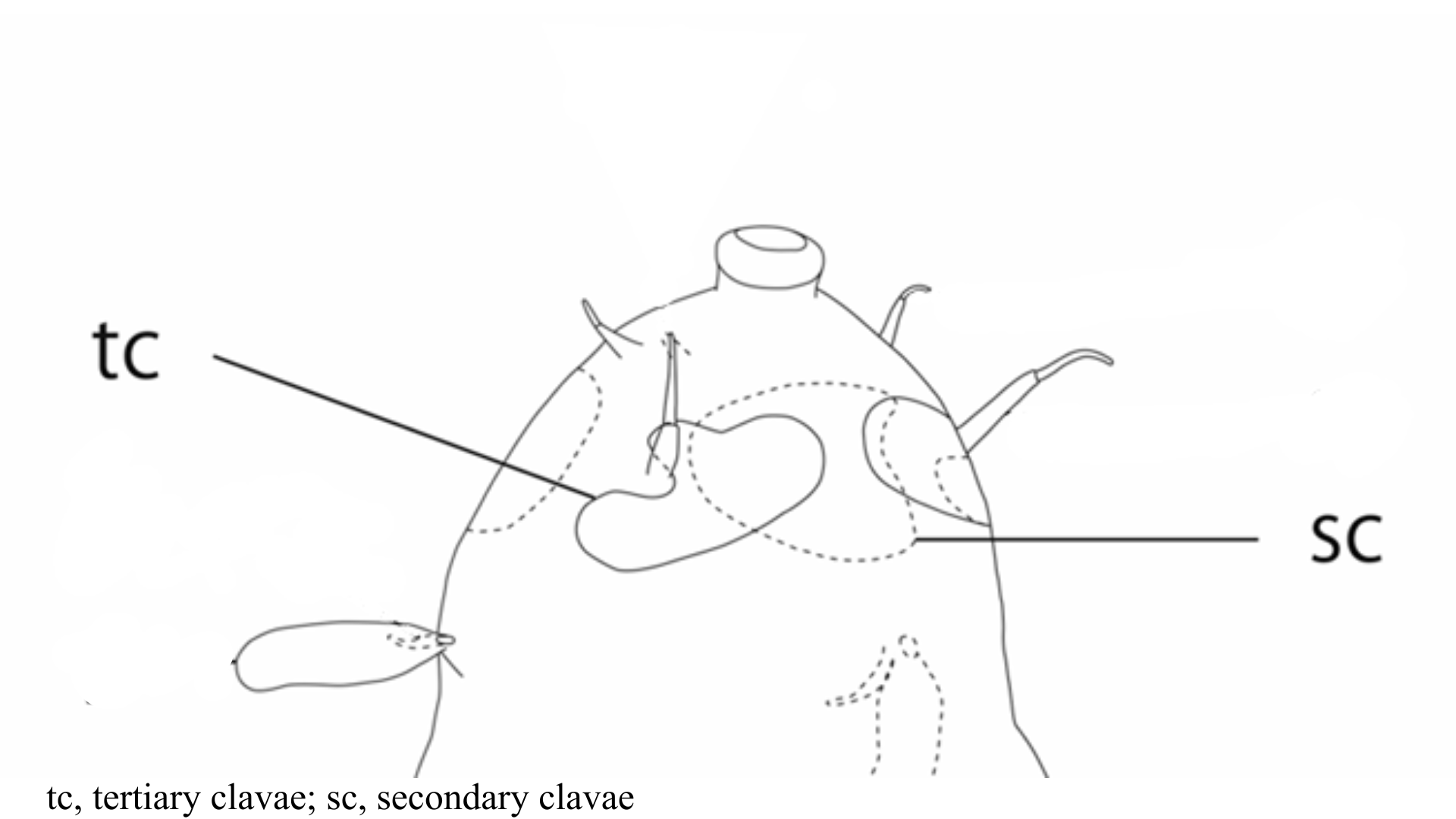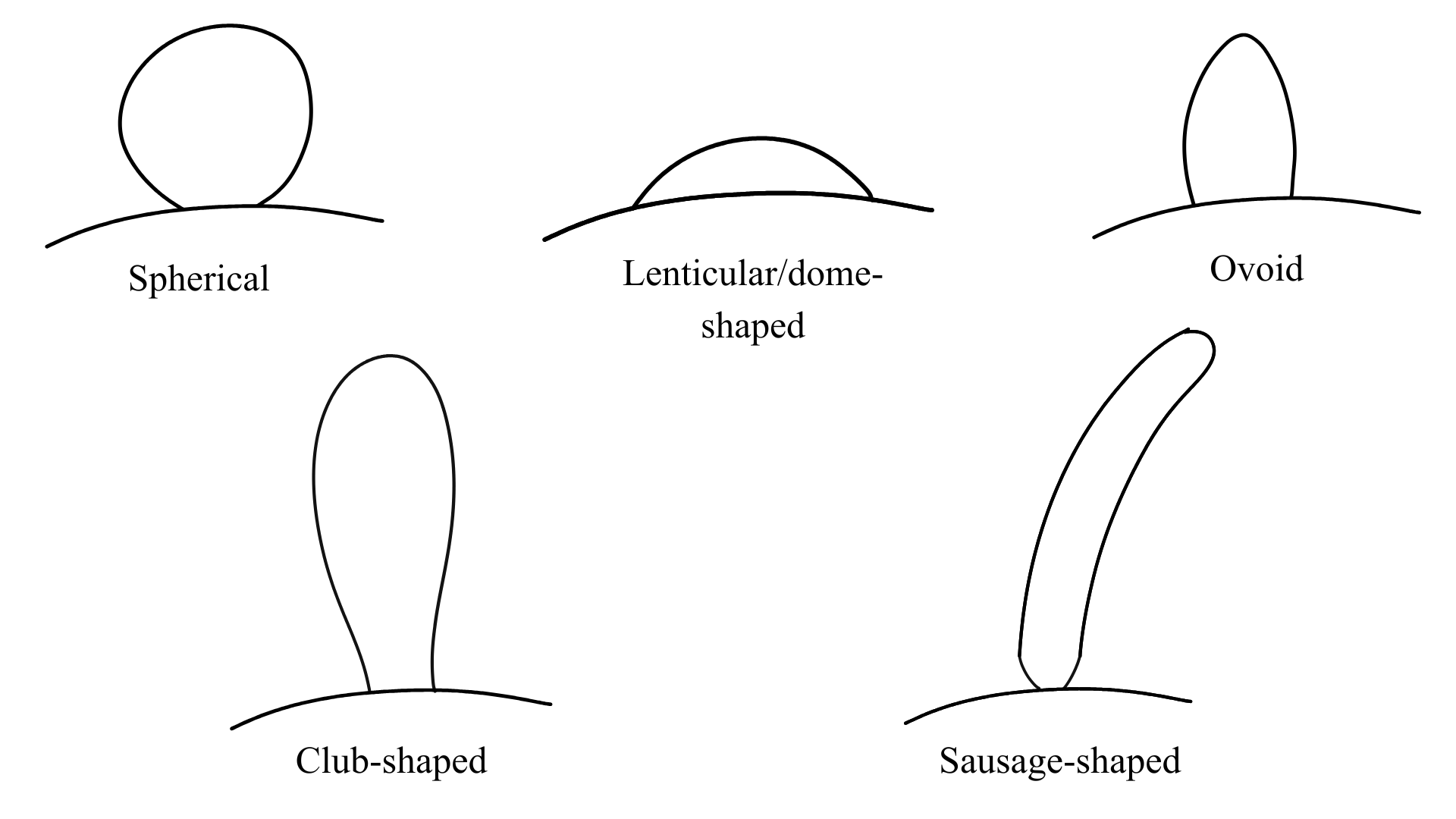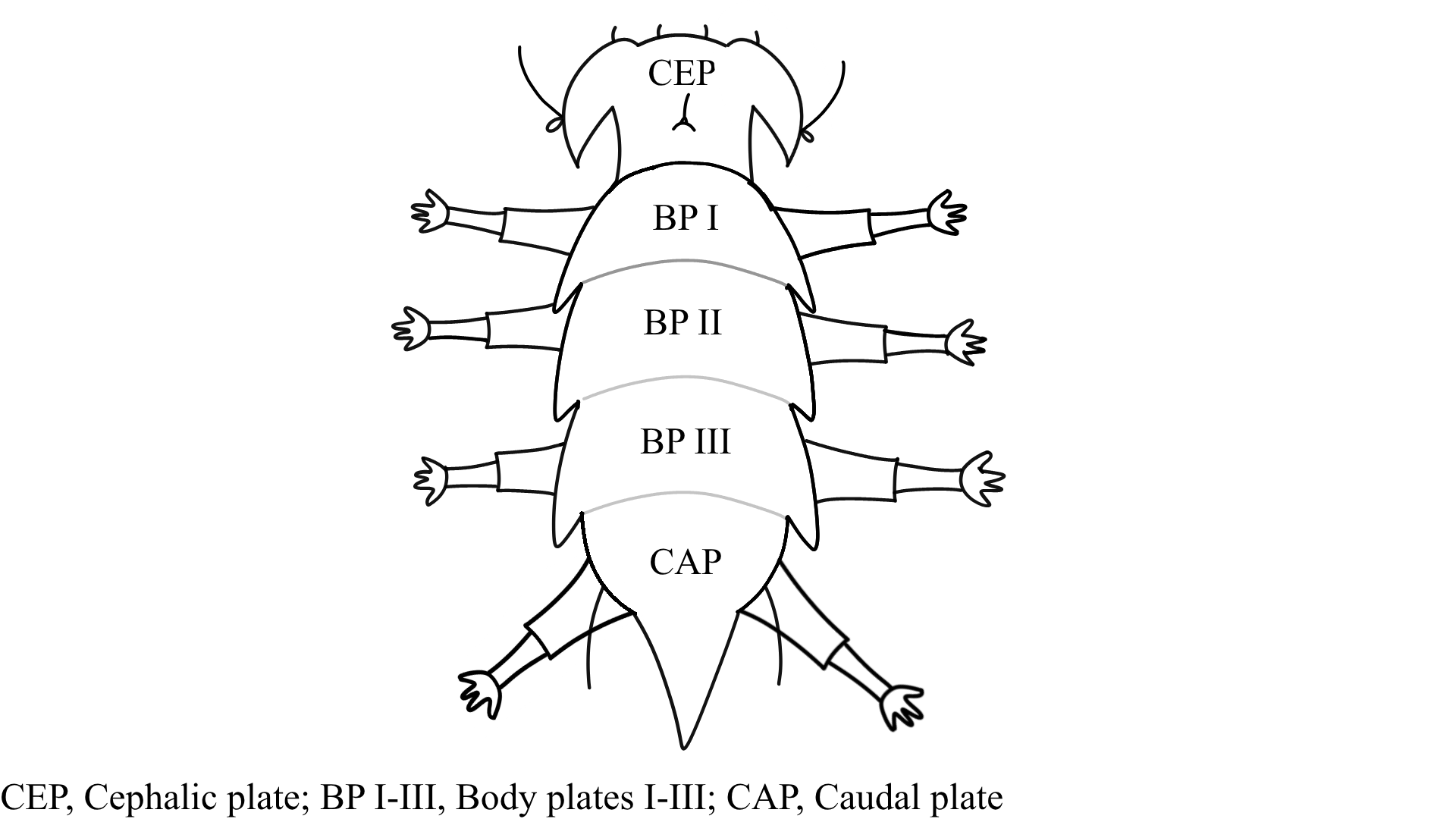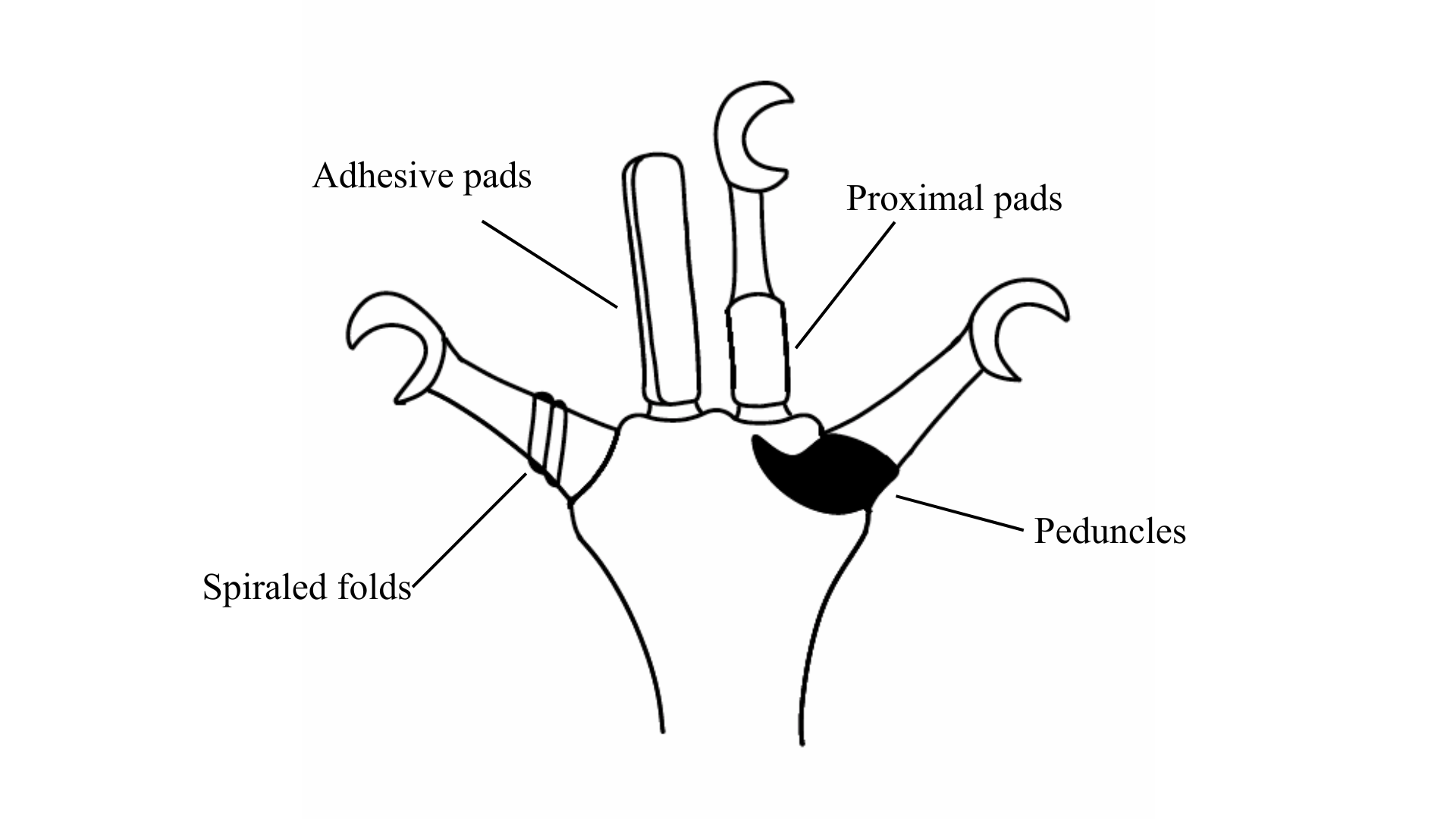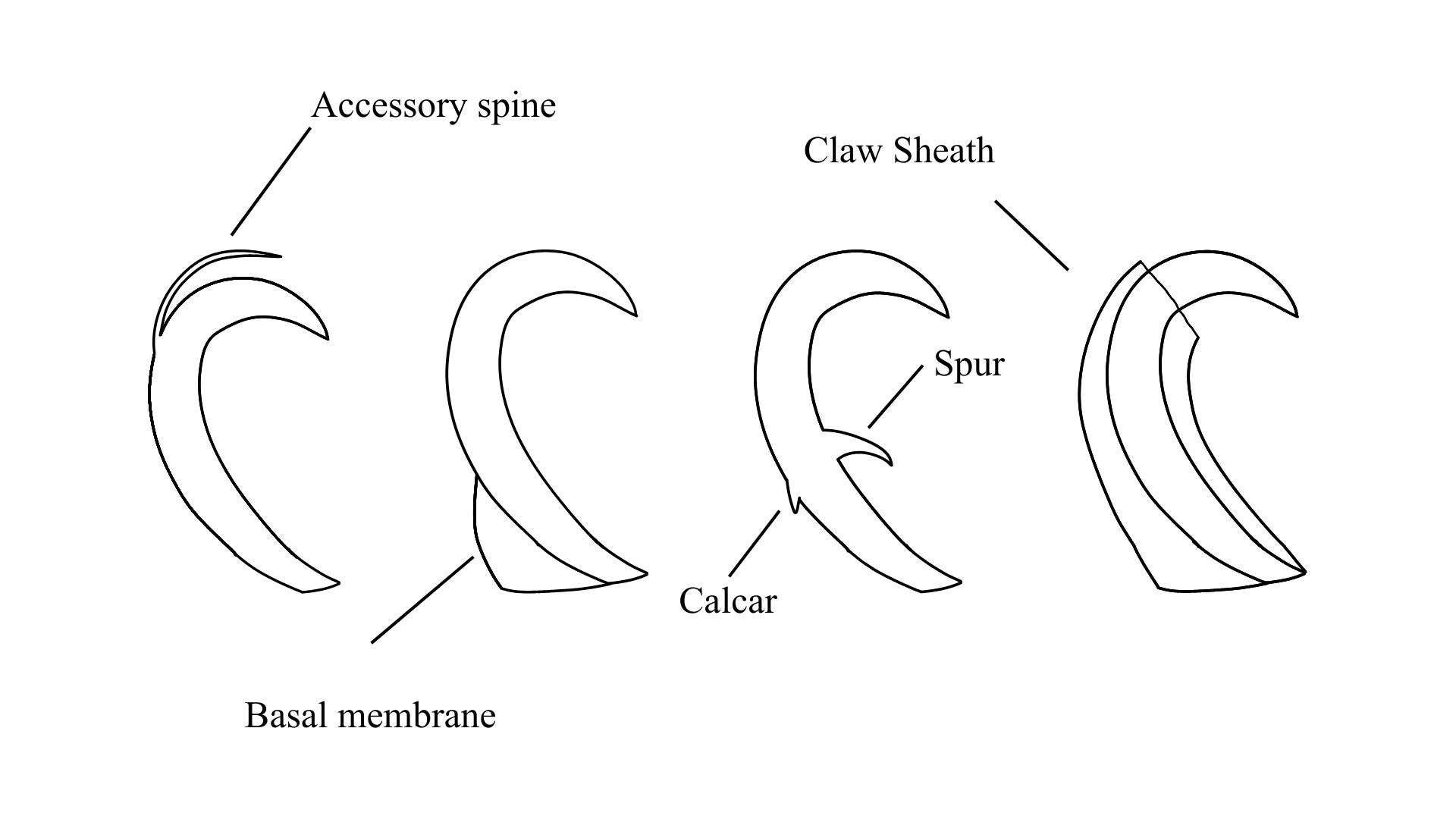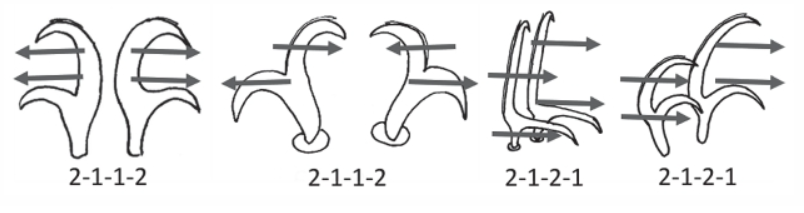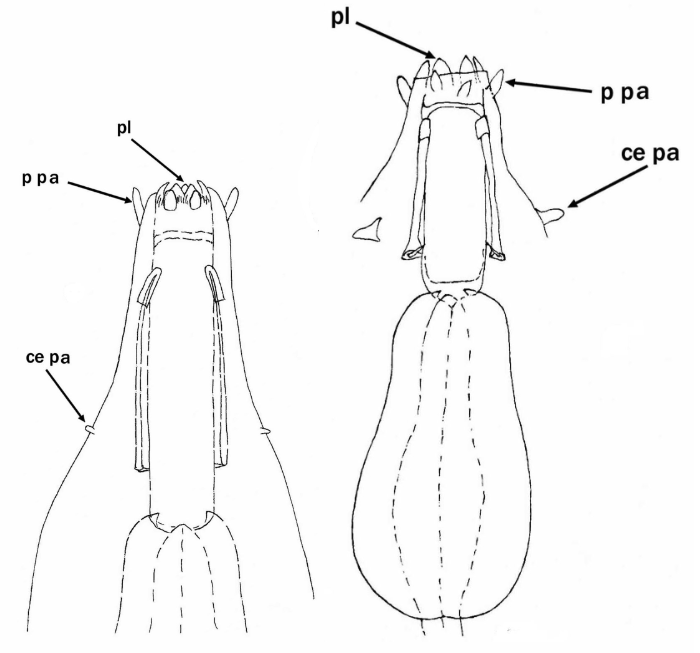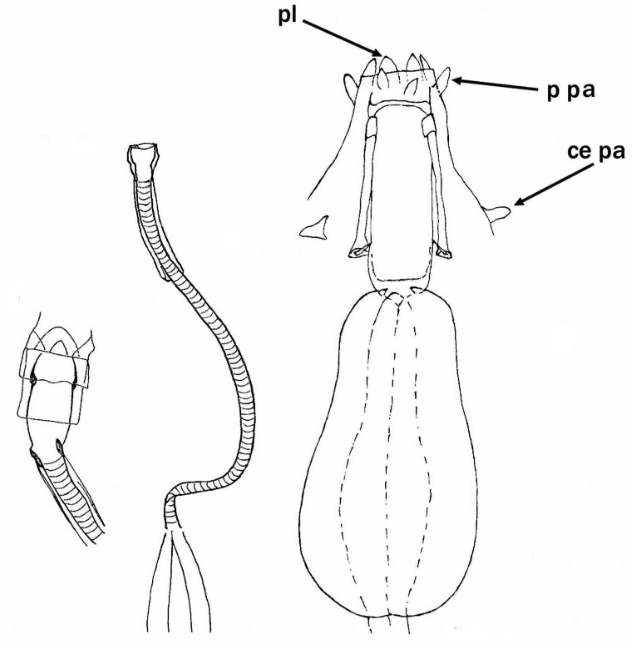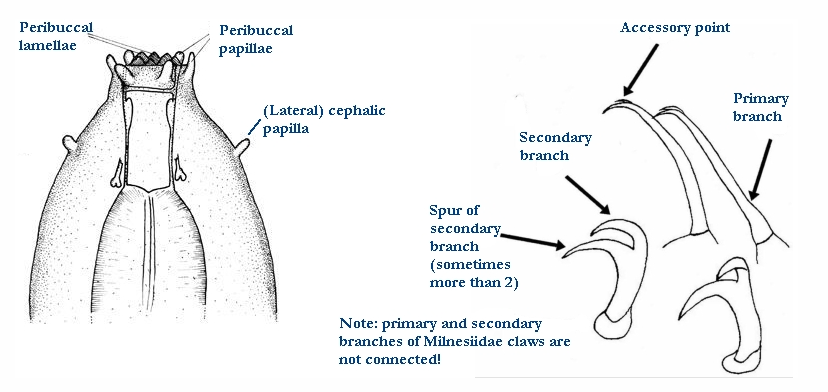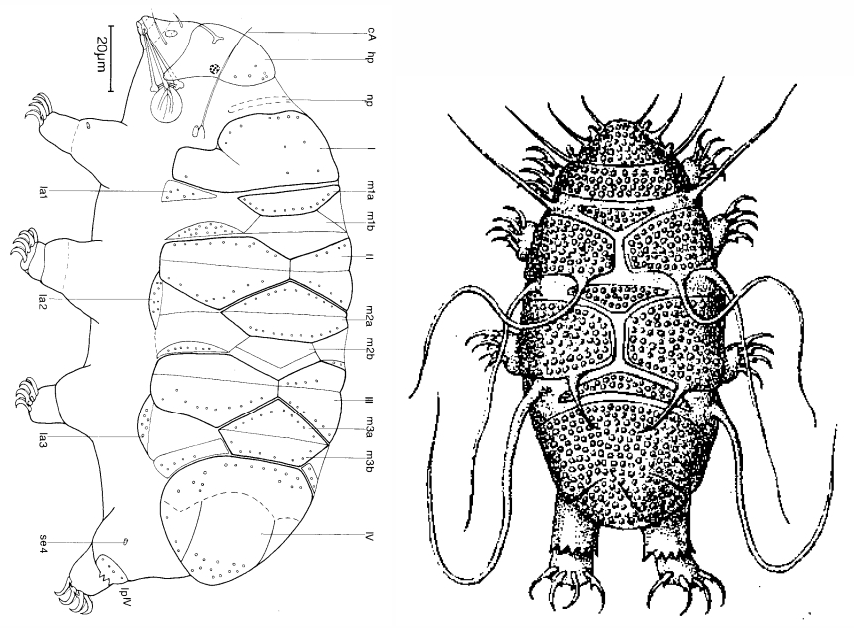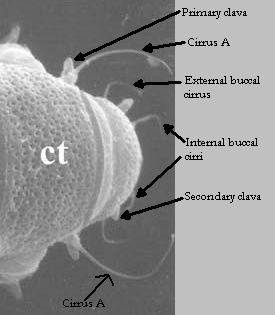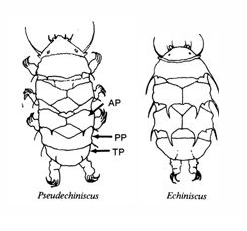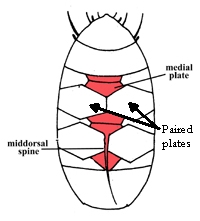
Oreellidae from Binda & Kristensen 1986: “Unplated Echiniscoidea with 8 more or less indistinct segments in the body and a short median caudal projection. Four claws on all legs in adults, the internal claws can have a basal spur. The primary and secondary clavae papillar or club-shaped. Sexual dimorphism in primary clavae, and females with lateral seminal receptacles shaped as ovoid pouches opening directly to the exterior, without any duct. Sense organs on legs IV present. Semiterrestrial.”
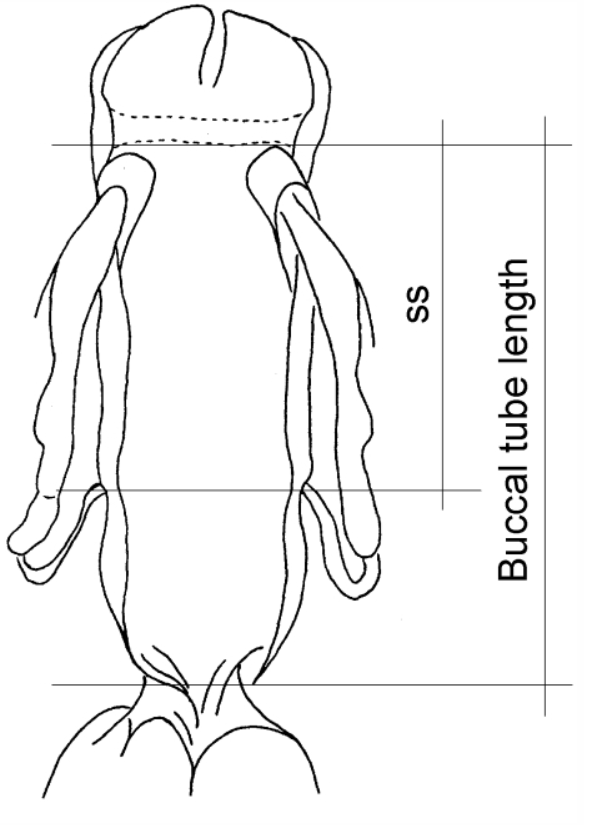
Oreellidae from Dastych et al. 1998: “Unplated semi-terrestrial Echiniscoidea with a short caudal median projection. Telescopic retractable leg with four claws in adults and two claws in larvae. Each internal claw with a downwardly directed spur. Sense organs present on legs I and IV. All head projections, except median cirrus, present. Papillae cephalica (= secondary clavae) located under the cuticle surface. Clavae (= primary clavae) papilla-like in females and juveniles, club-like in males. Buccal apparatus with stylet supports. Females with a pair of sack-like structures (seminal receptacles) caudo-laterally, opening directly to the exterior, but without a duct. Eggs freely laid, ornamented.”
Citations:
Binda, M.G. & Kristensen, R.M. (1986) Notes on the genus Oreella (Oreellidae) and the systematic position of Carphania fluviatilis Binda, 1978 (Carphanidae fam. nov., Heterotardigrada). Animalia, 13 (1/3), 9–20.
Dastych, H., McInnes, S.J. & Claxton, S.K. (1998) Oreella mollis Murray, 1910 (Tardigrada): a redescription and revision of Oreella. Mitteilungen aus dem Hamburgischen Zoologischen Museum und Institut, 95, 89–113.