Thulyphoribius

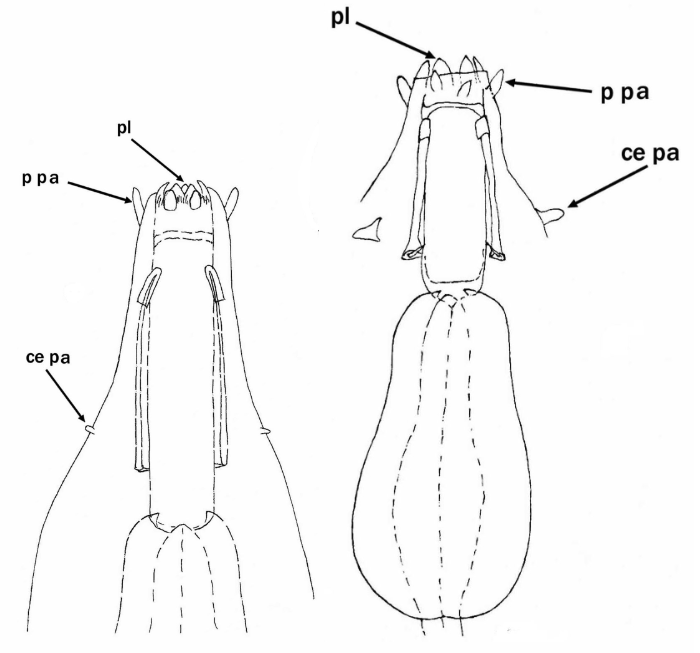
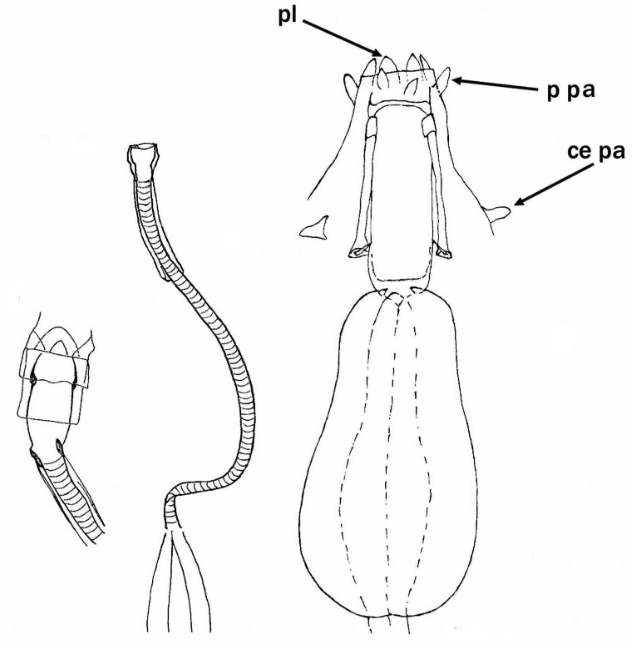
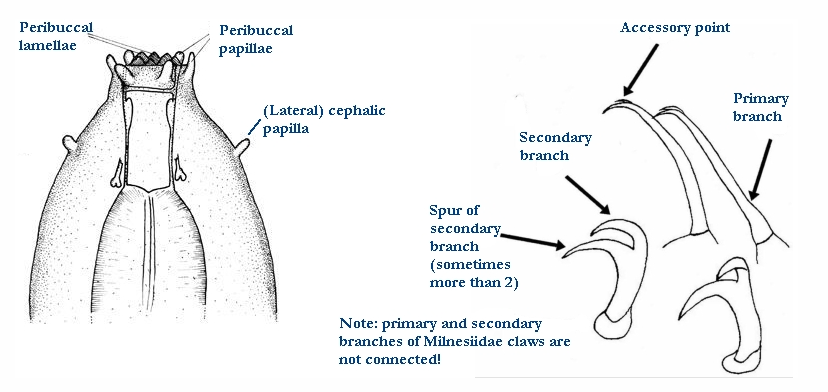
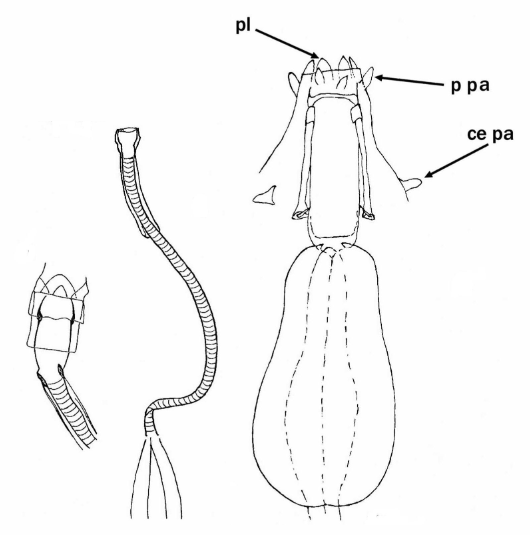
Genus description from Camarda et al. 2025: “Peribuccal lamellae or papulae absent, although in PCM, sometimes, internal septa in the buccal ring are visible giving the appearance of the presence of lamellae or papular lamellae. Buccal cone with 6 papular peribuccal lobes visible only under SEM and only when the buccal cone is fully extended. […]
Cucumibius

Genus description from Tumanov et al. 2024 (supplement): “Body surface with numerous tubercles formed by protrusions of procuticle and covered by epicuticle with intracuticular pillars. Peribuccal structures consisted of six peribuccal lobes. AISM in the shape of crests, asymmetrical with respect to the frontal plane. The dorsal apophysis consists of the following parts: (i) a relatively massive […]
Chilibius

Genus description (of Hypsibius (Isohypsibius) sculptus, with minor edits) from Ramazzotti 1962: “Lunghezza circa 200 µm. La cuticola è scolpita e presenta una granulazione estremamente fine, diffusa ovunque, anche sulla superficie ventrale. Il tubo boccale è stretto ed il suo diametro esterno è di circa 2.5 µm in un Tardigrado di 200 µm. Sempre per […]
Aerobius

Genus description abridged from Mapalo et al. 2004 (based on only extant specimen): “Body length is ~100 μm. The cuticle appears to be smooth with no observable protuberances. Cuticular folds are observed on the dorsal side, mostly likely due to its preservation in a shriveled state. Eyespots were not observed. A faint oval-shaped outline can […]
Parahypsibius

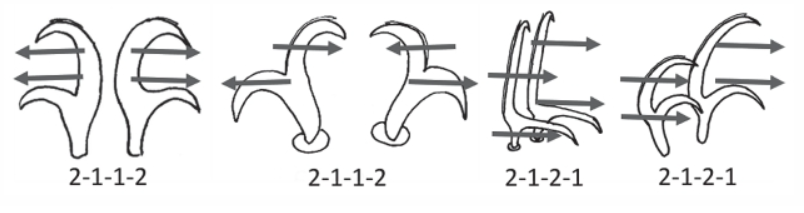
Genus description from Gąsiorek et al. 2024: “Hypsibiids with Ramazzottius-like claws and rigid buccal tube bent posteriorly. Only posterior bars may be present. AISMs asymmetrical, dorsal AISM shorter and higher than ventral, with prominent apex and less evident caudal processes. Pharynx with two granular macroplacoids. Rudimentary elliptical sensory organs present on head. Cuticular sculpturing well […]
Dipodarctus

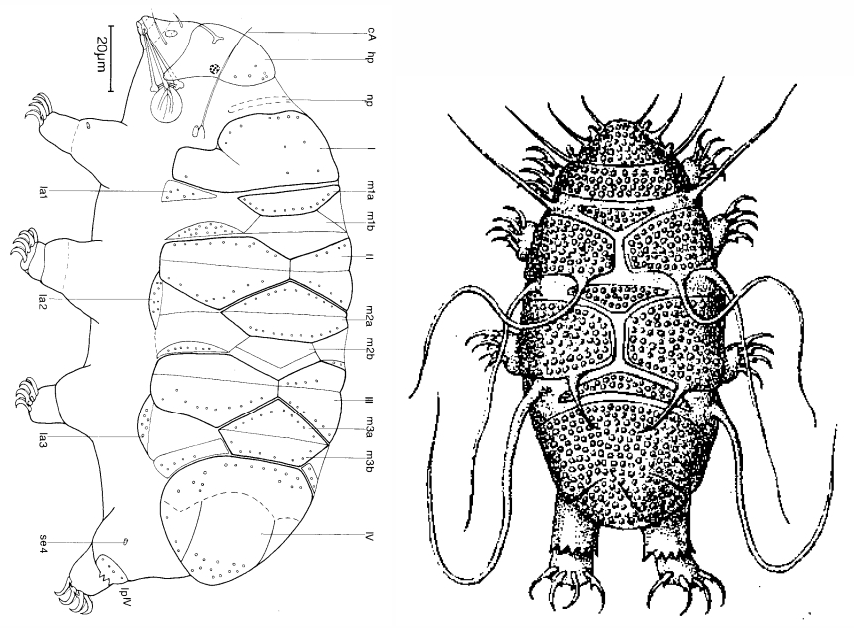
Genus description from Jørgensen et al. 2014: “Dipodarctinae with lanceolate tibia and triangular tarsus of the Tanarctus-type. Digits on the first 3 pairs of legs (I-III) are of different shape than those of fourth leg pair. Three ventral digits are of equal length, claws with calcar and one long dorsal digit with a simple claw. […]
Dipodarctinae

Dipodarctinae from Jørgensen et al. 2014: “Halechiniscids with primary clavae much longer than, and ventral to, the lateral cirri; indistinct secondary clavae present as kidney- or sausage-shaped elevations between internal and external cephalic cirri. Feet on legs I-III with at least three (digits I-III) of the four digits short and of equal length; digit IV […]
Hypsibius

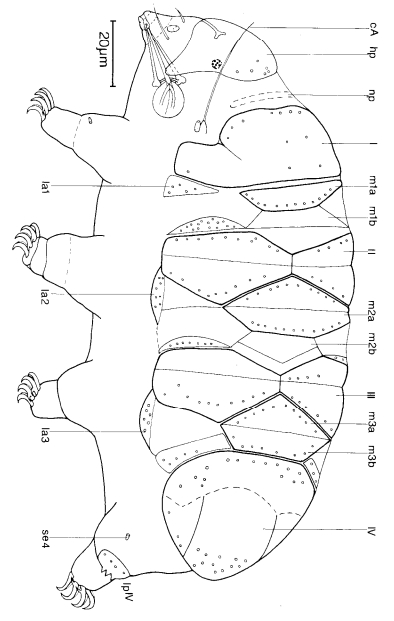
Genus description from Gąsiorek et al. 2018: “Six weakly outlined peribuccal lobes present. Apophyses for the insertion of stylet muscles in the shape of symmetrical hooks; and with well-developed caudal processes pointing diagonally (backwards and sideways […]). Pharyngeal apophyses and placoids present. Stylet furcae with the triangular base, thin arms and enlarged apices (sensu Pilato […]