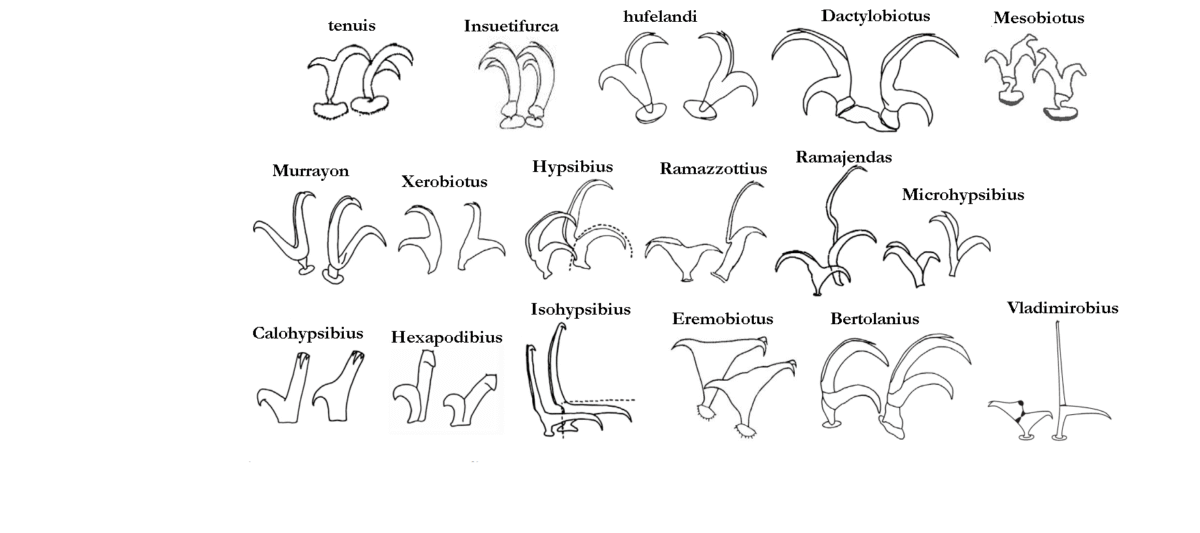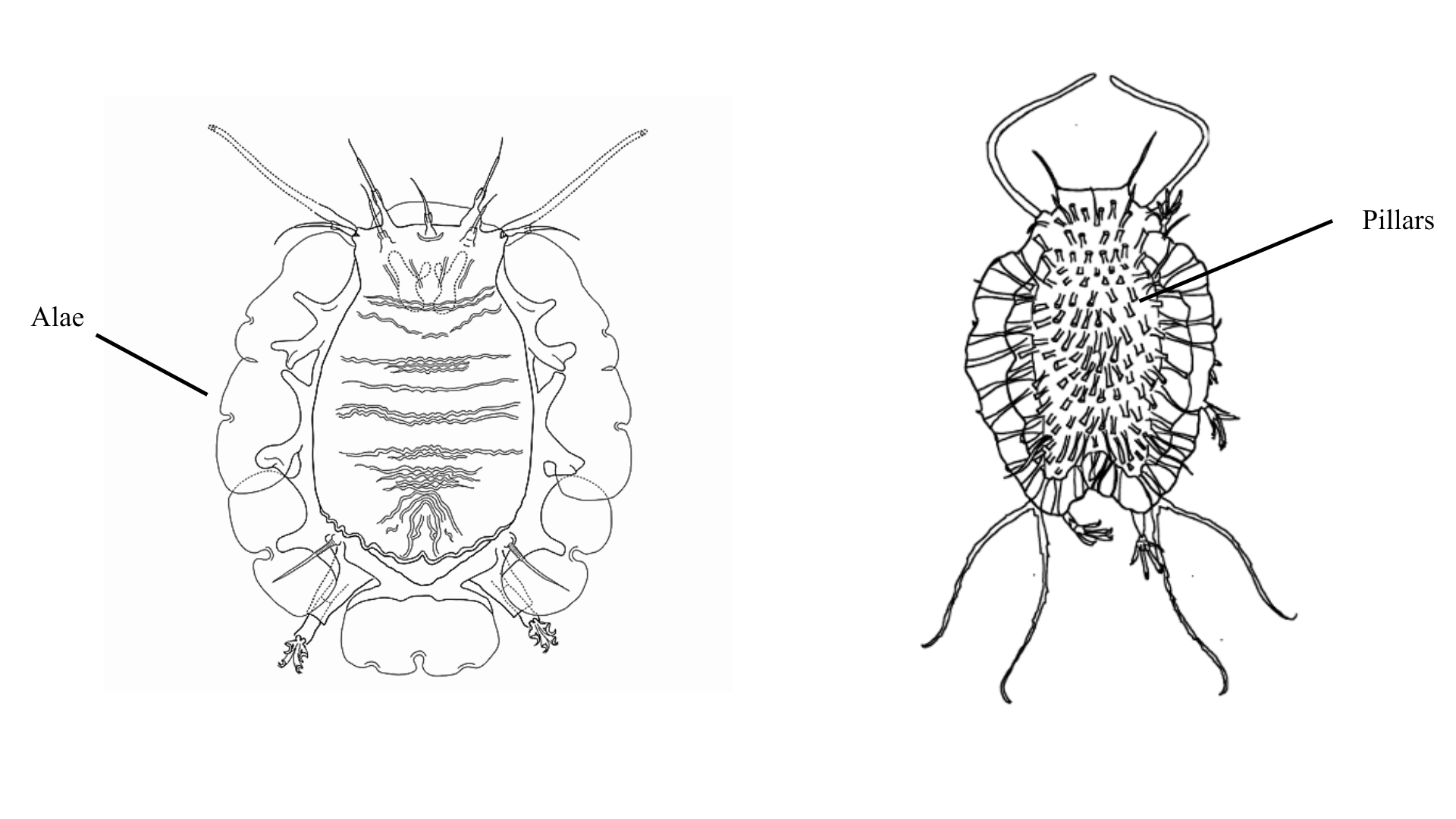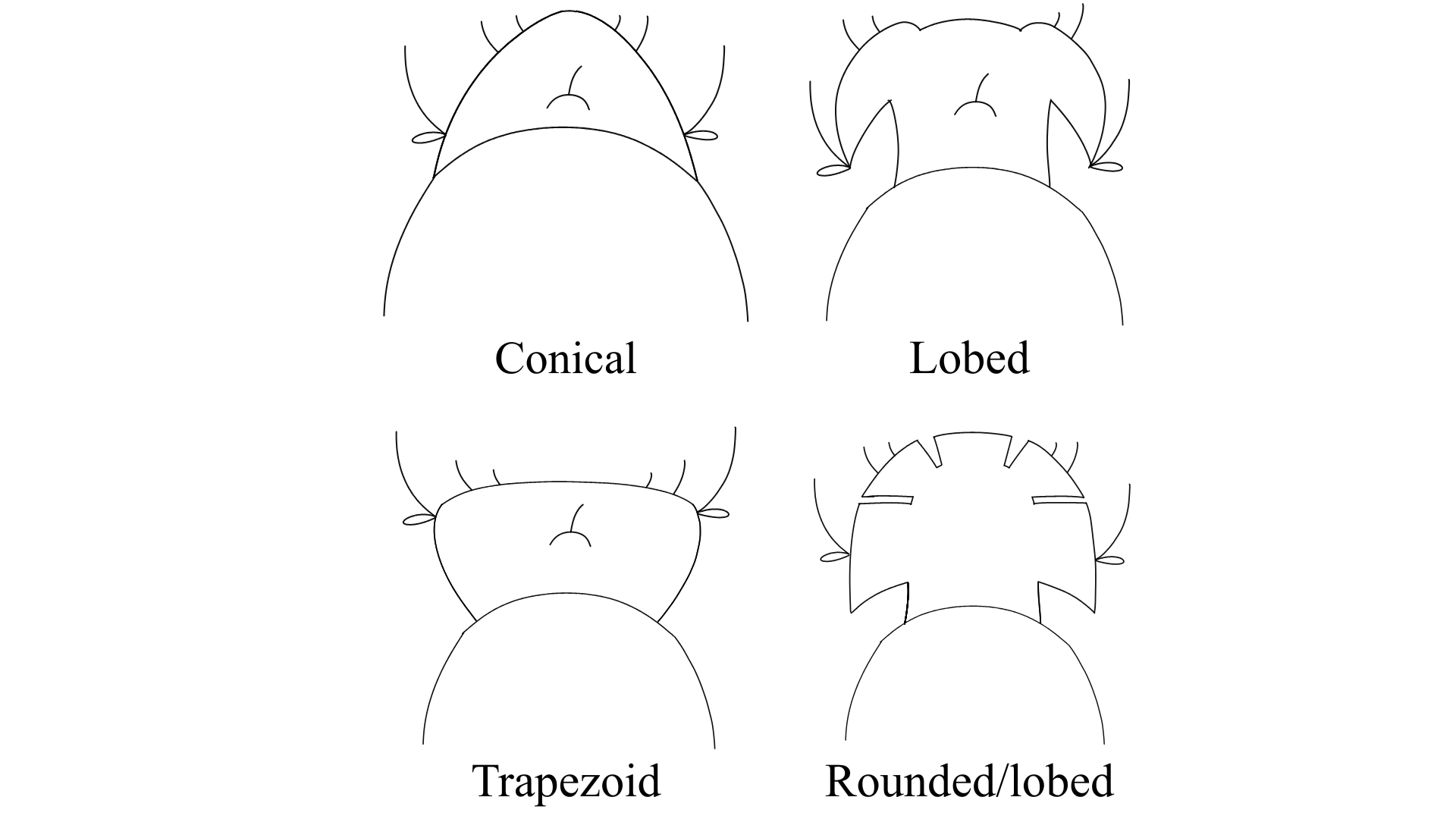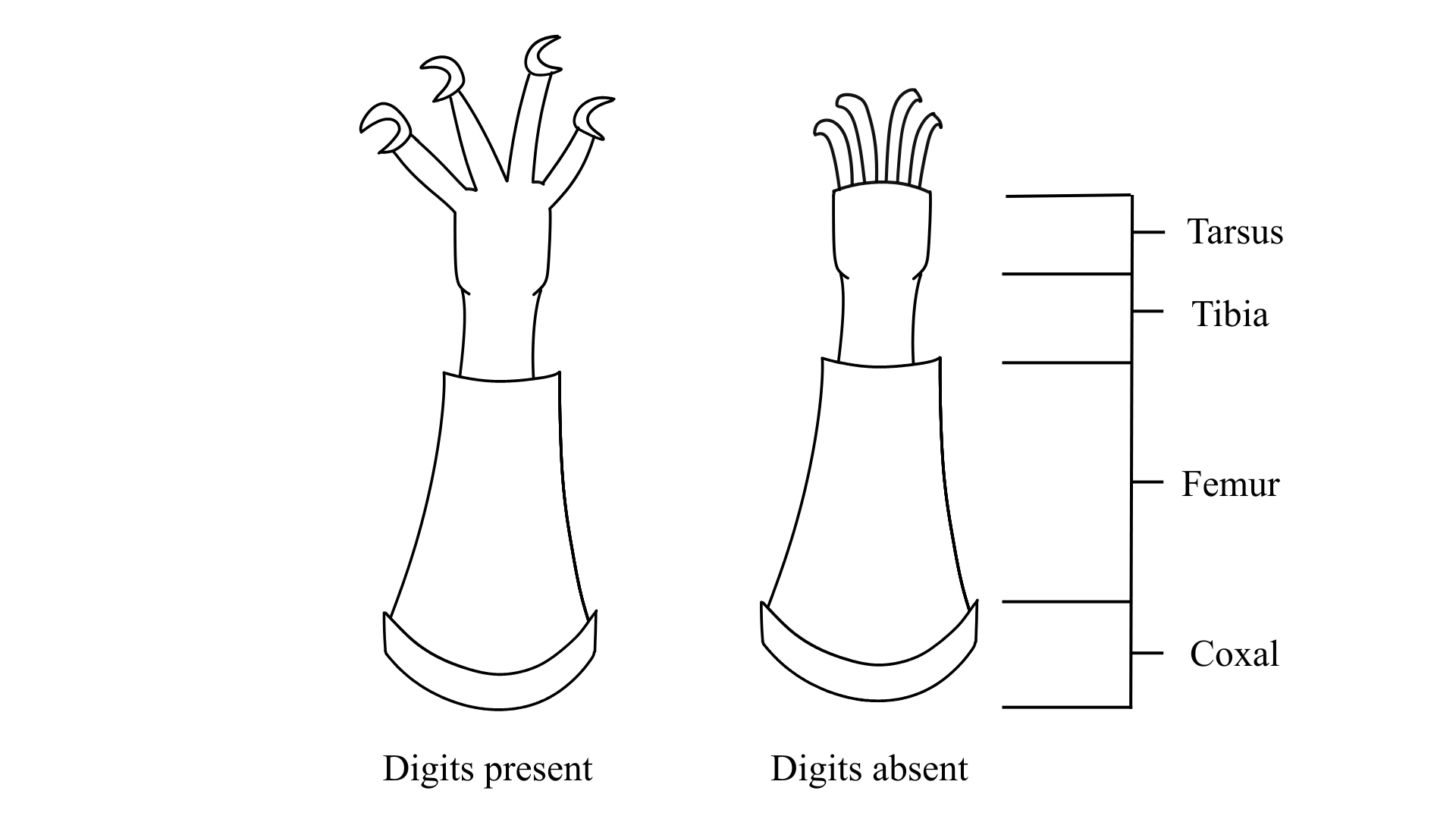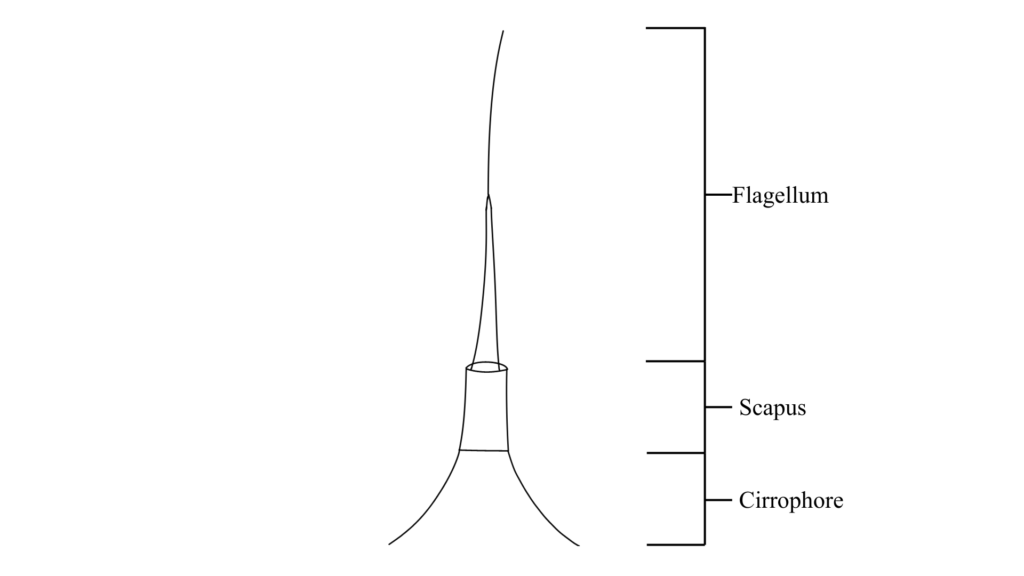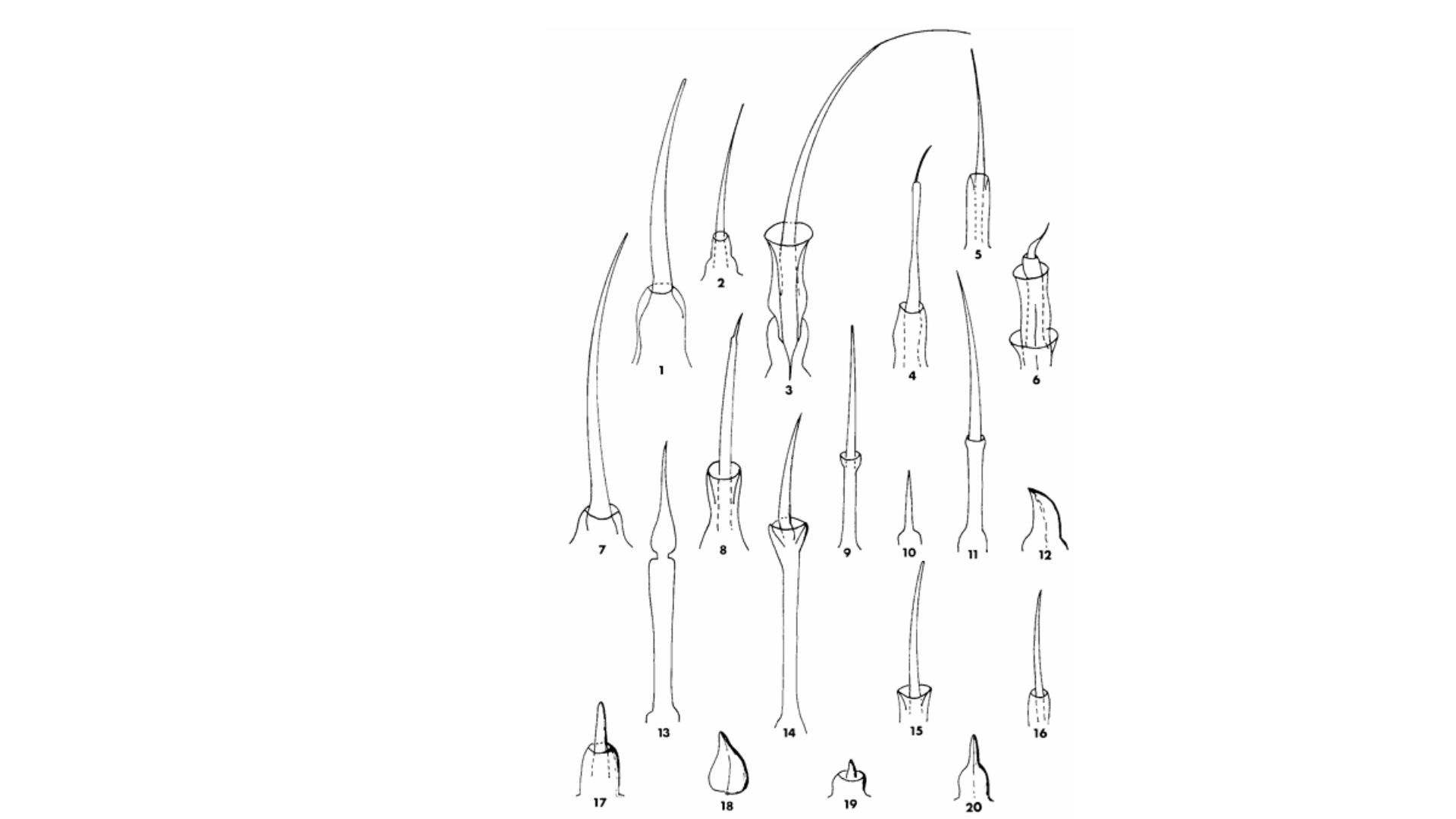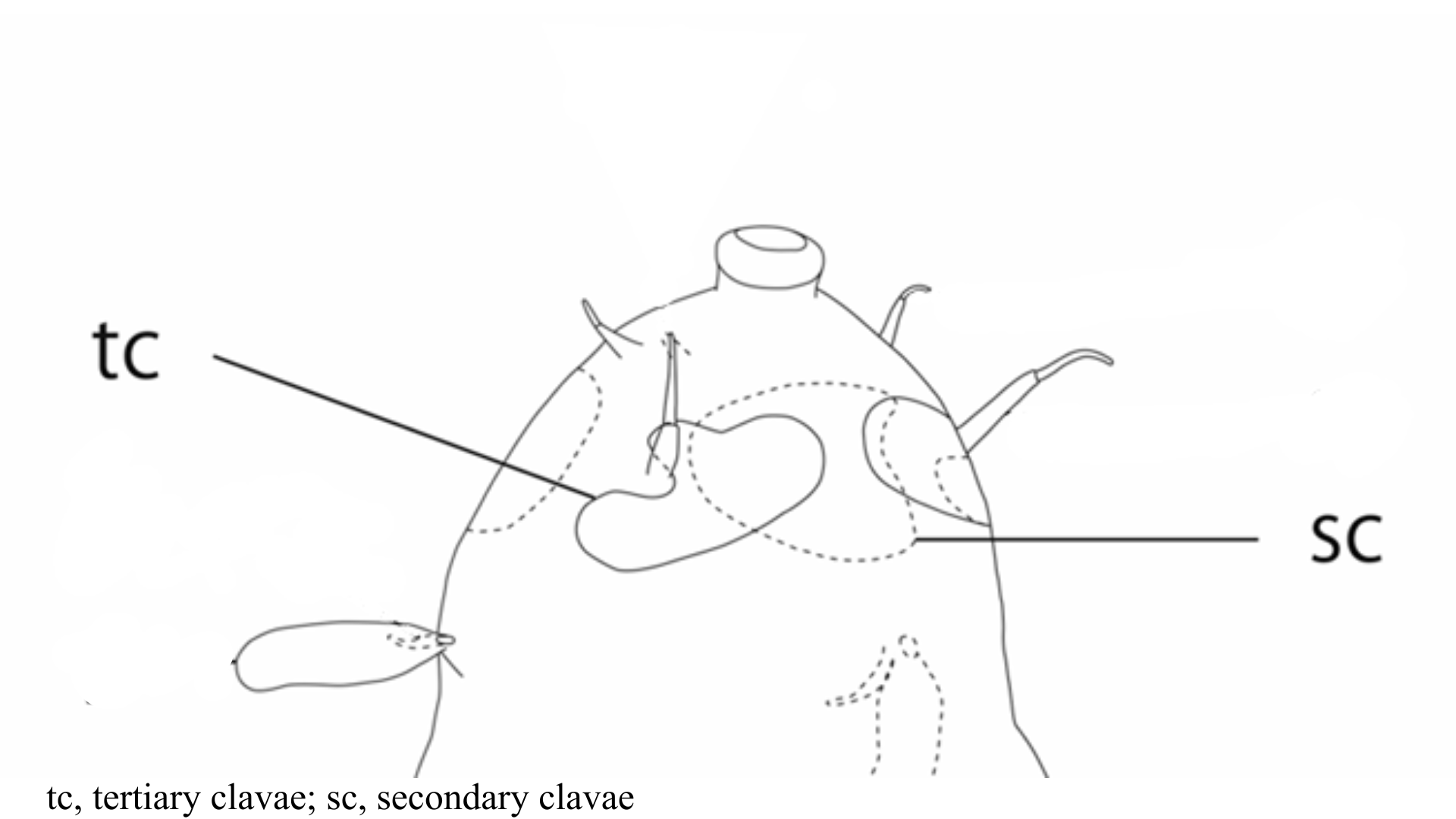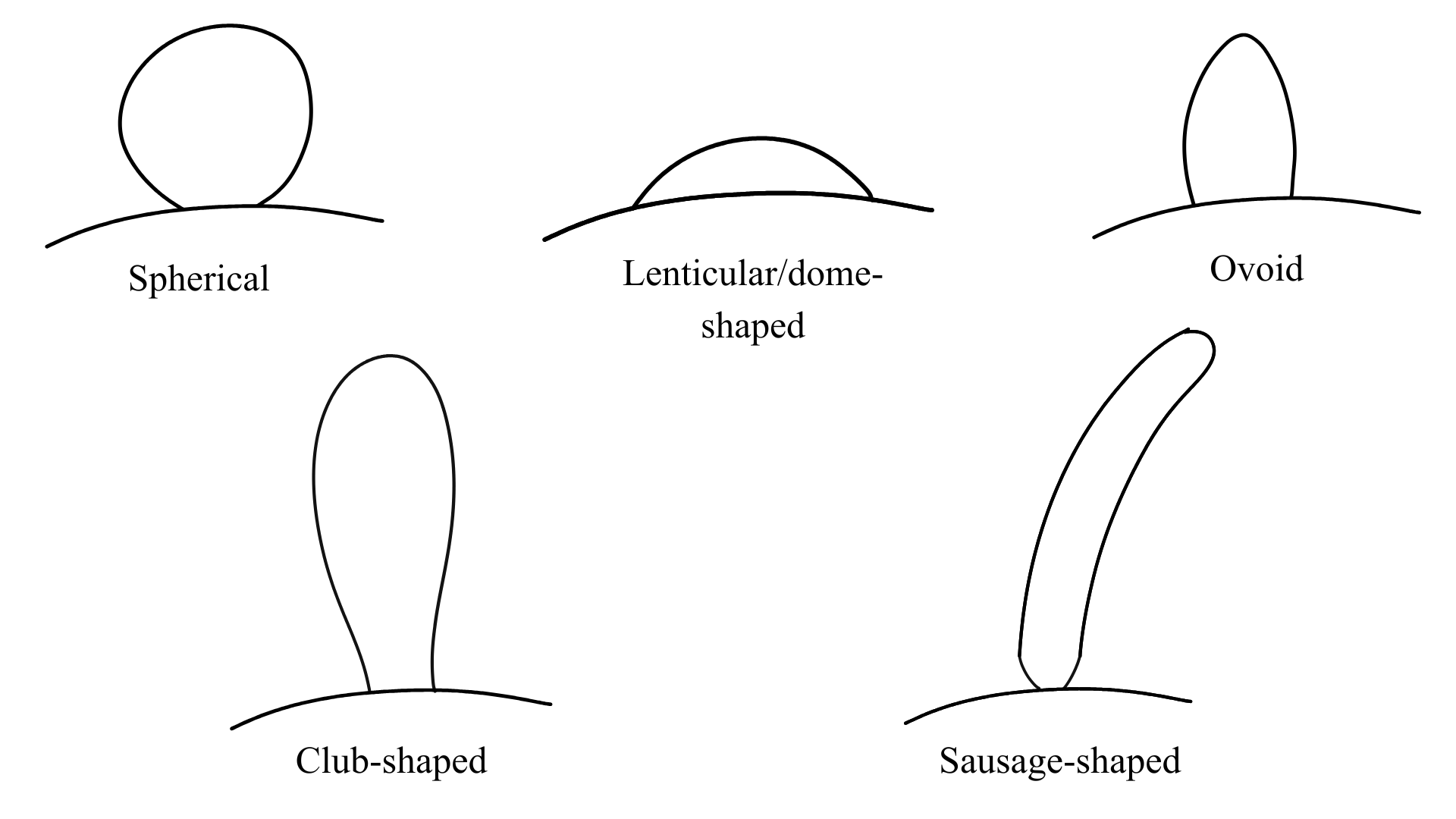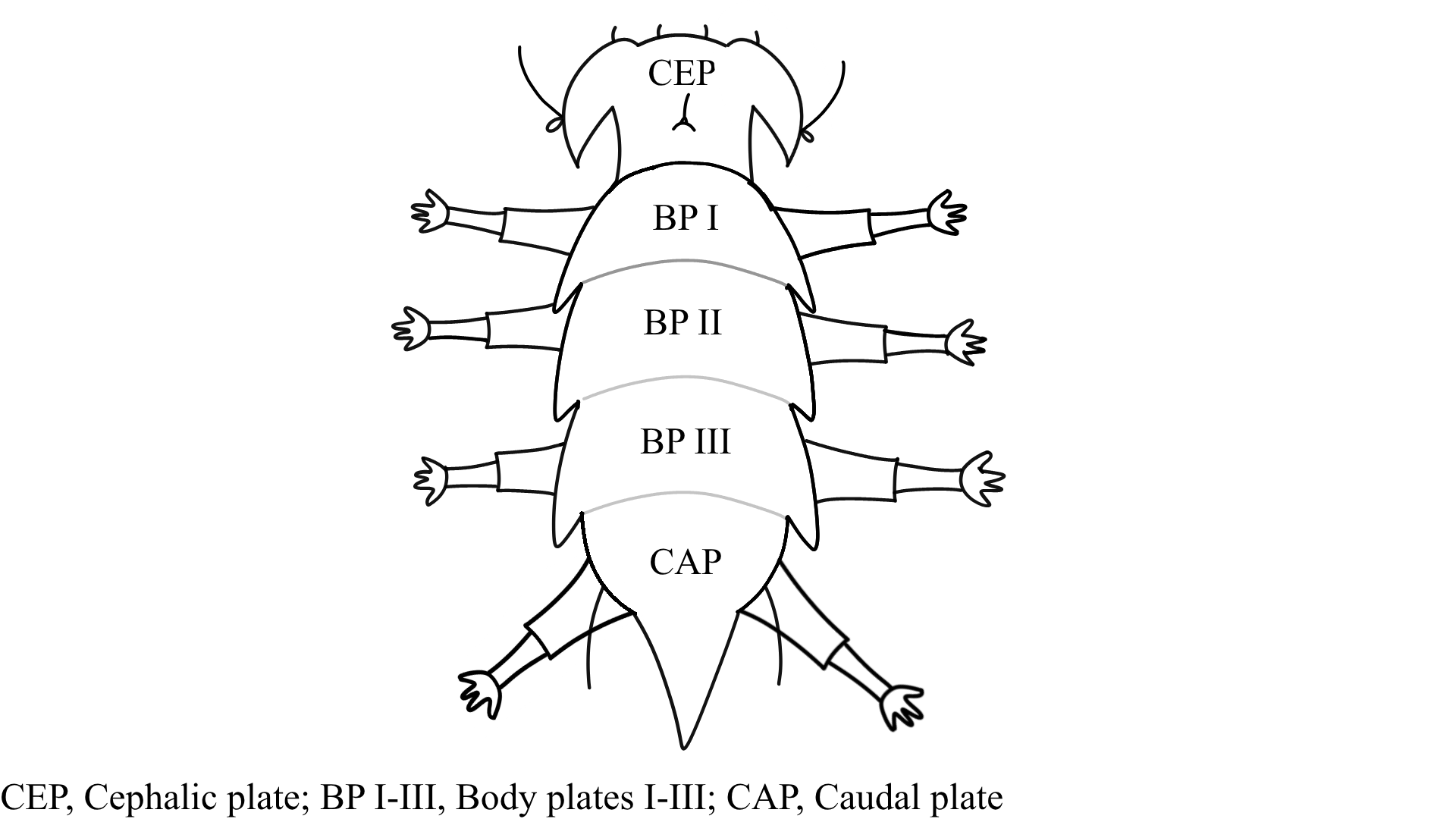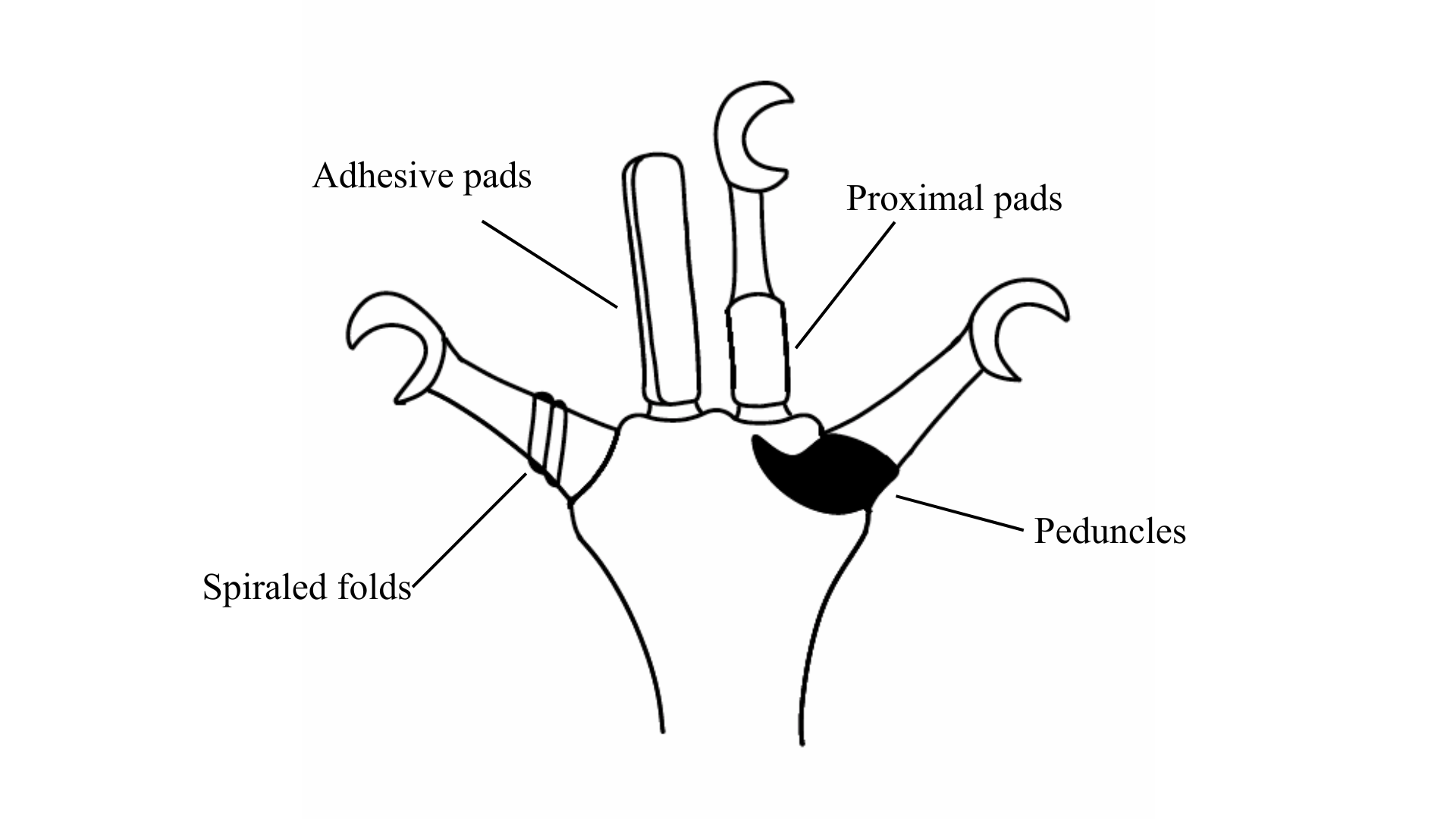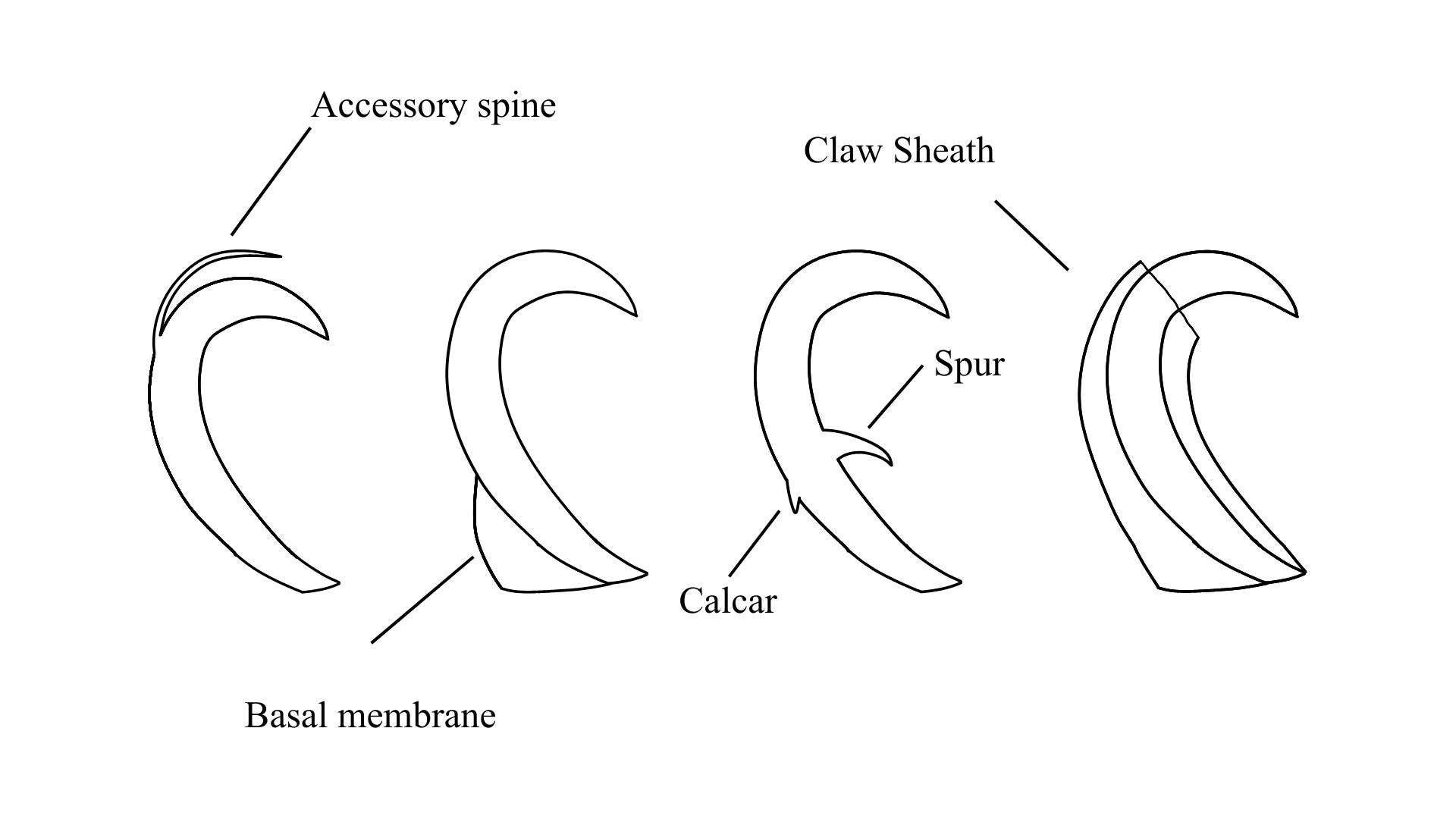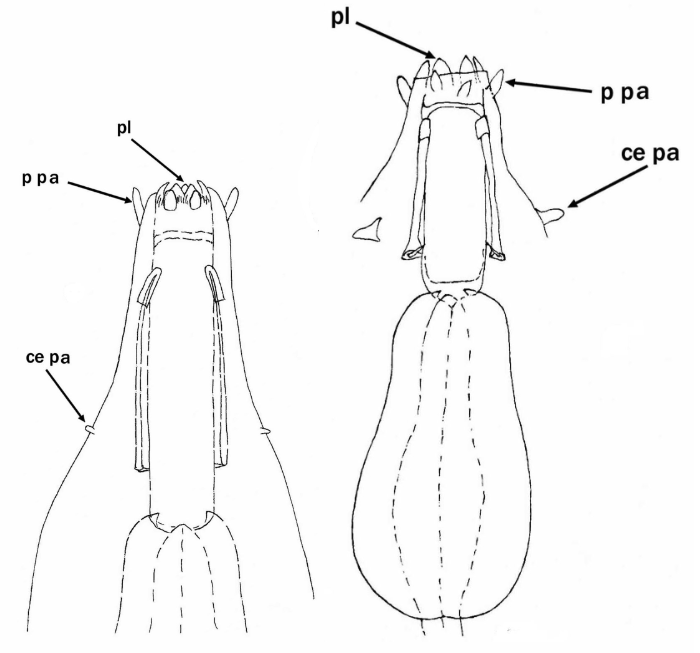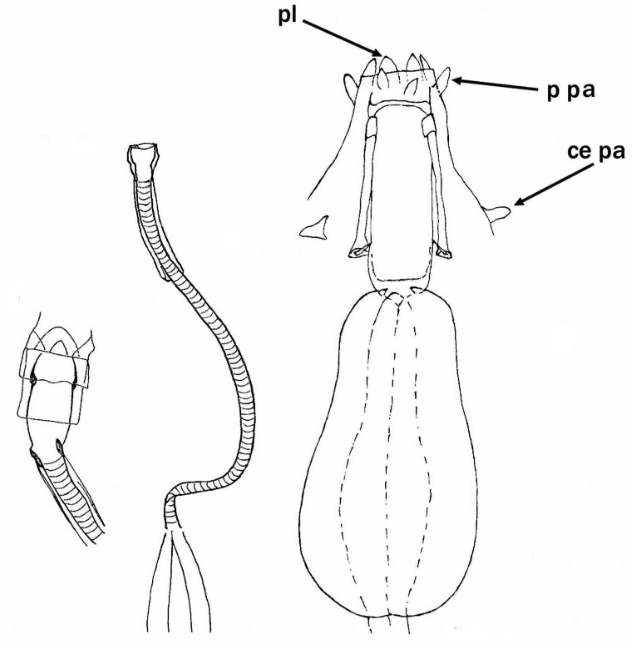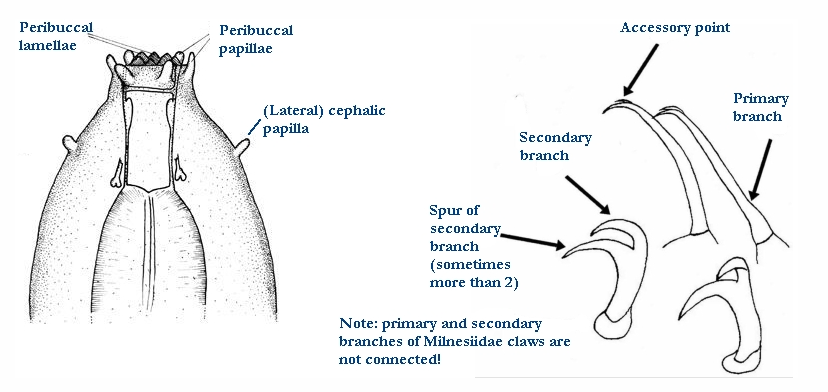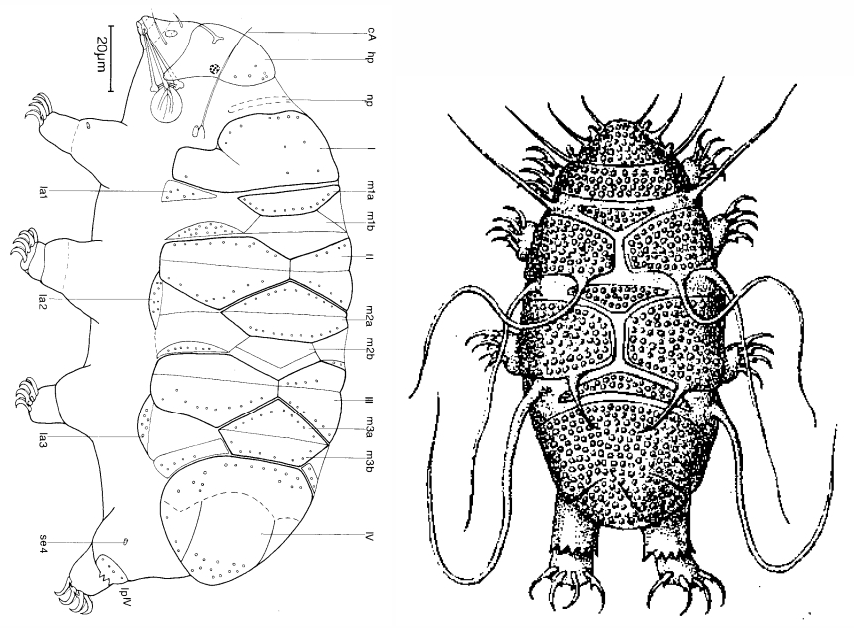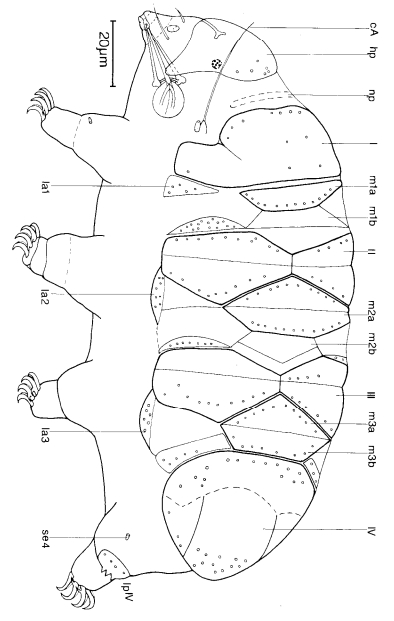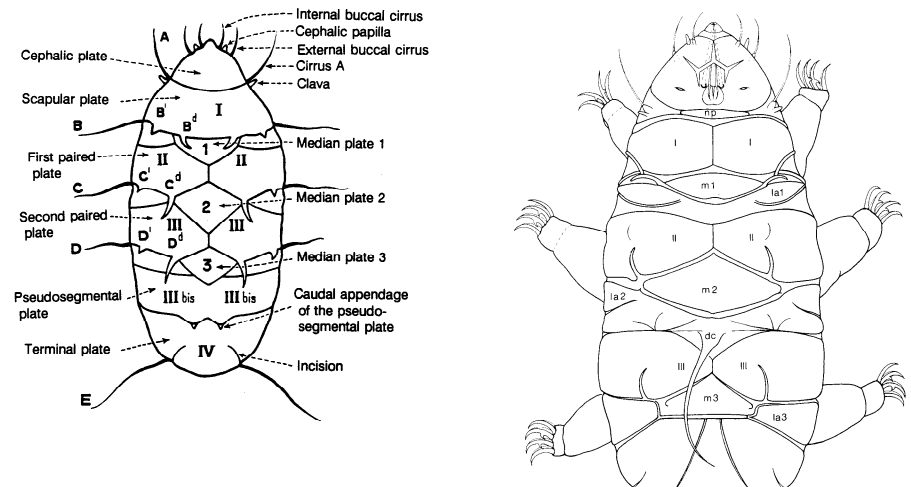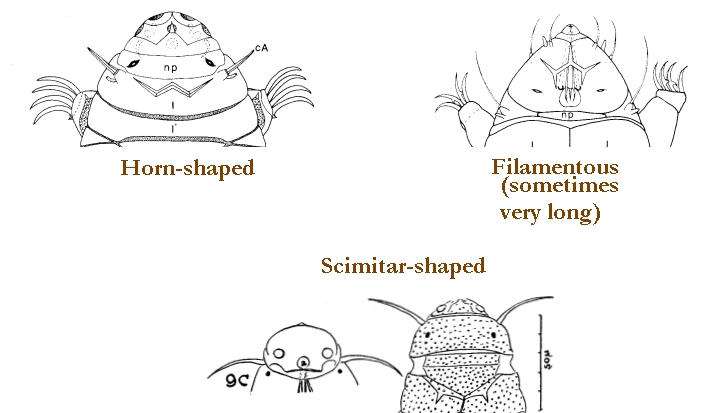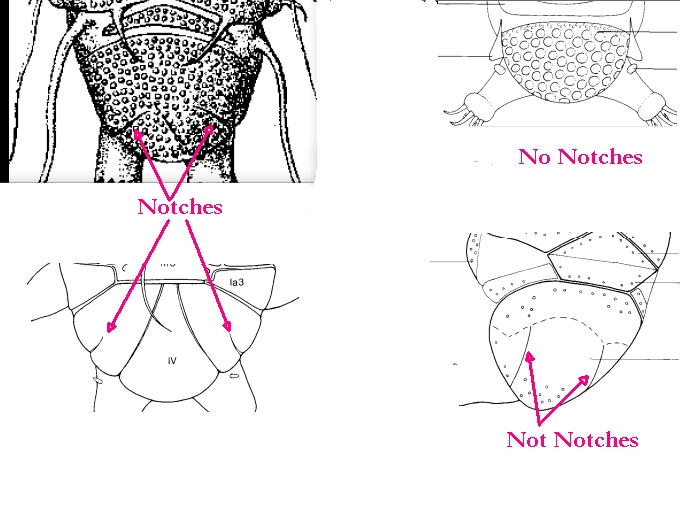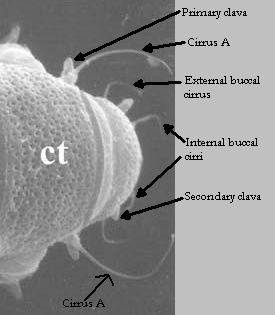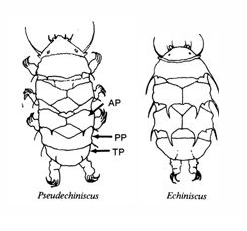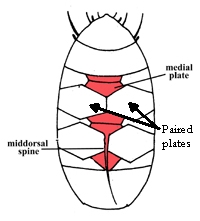

Genus description from Pollock 1979, emended by Bussau 1992, in Fontoura et al. 2017: “Styraconyxidae with four digits. External digits supported by peduncles, internal digits with proximal pads. Claws with two divergent points (hooks), primary hook stronger than secondary hook. Claws retractable into membranous sheath. Dorsal cuticular plates absent. Complete set of cephalic cirri present, sometimes median cirrus may be reduced or absent. Configuration of primary clavae and lateral cirri variable, arising from distinct lateral extension or directly from head. Secondary clavae occasionally present, occurring as indistinct dome-shaped areas. Sometimes tertiary clavae with appearance similar to those of secondary clavae present, situated ventrally to the secondary clavae. Spines present on legs I, II, III or only on legs I. Usually clavoid papillae, mostly with spine, on legs IV. Body smooth and slender.”
Genus description from Fujimoto & Hansen 2019: “Styraconyxidae with slender body; median cirrus present; papillate primary clavae; flat secondary and tertiary clavae; leg I sensory organs present; legs II and III sensory organs occasionally present; leg IV sensory organs papillate; cirri E near caudal margin of body; each digit terminates in claw with two divergent points; peduncles present at base of external digits; seminal receptacles present; terminal positioned anus occasionally with anal papillae.”


Citations:
Bussau, C. (1992) New deep-sea Tardigrada (Arthrotardigrada, Halechiniscidae) from a manganese nodule area of the eastern South Pacific. Zoologica Scripta, 21(1): 79–91.
Fontoura, P., Bartels, P.J., Jørgensen, A., Kristensen, R.M. & Hansen, J.G. (2017) A dichotomous key to the genera of the marine Heterotardigrades (Tardigrada). Zootaxa, 4294, 1–45.
Fujimoto, S. & Hansen, J.G. (2019) Revision of Angursa (Arthrotardigrada: Styraconyxidae) with the description of a new species from Japan. European Journal of Taxonomy, 510: 1–19.
Pollock, L.W. (1979) Angursa bicuspis n. sp., a marine arthrotardigrade from the western North Atlantic. Transactions of the American Microscopical Society, 98: 558–565.